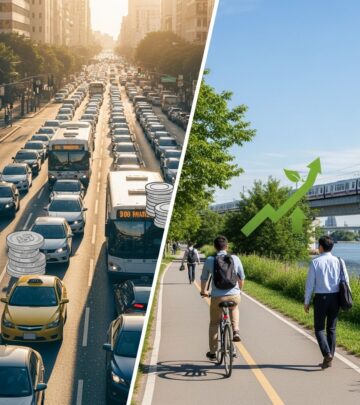
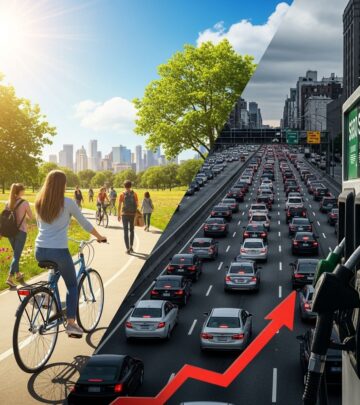
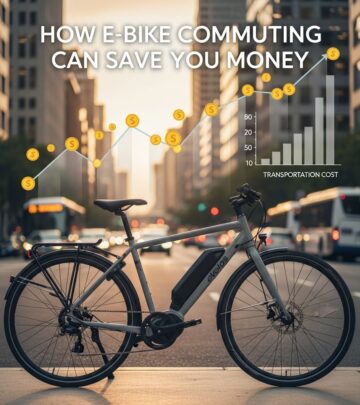
Average Cost Of An American Commute: $2,600 Annually
Uncover the true financial and time burden of daily commutes for American workers and strategies to minimize costs.
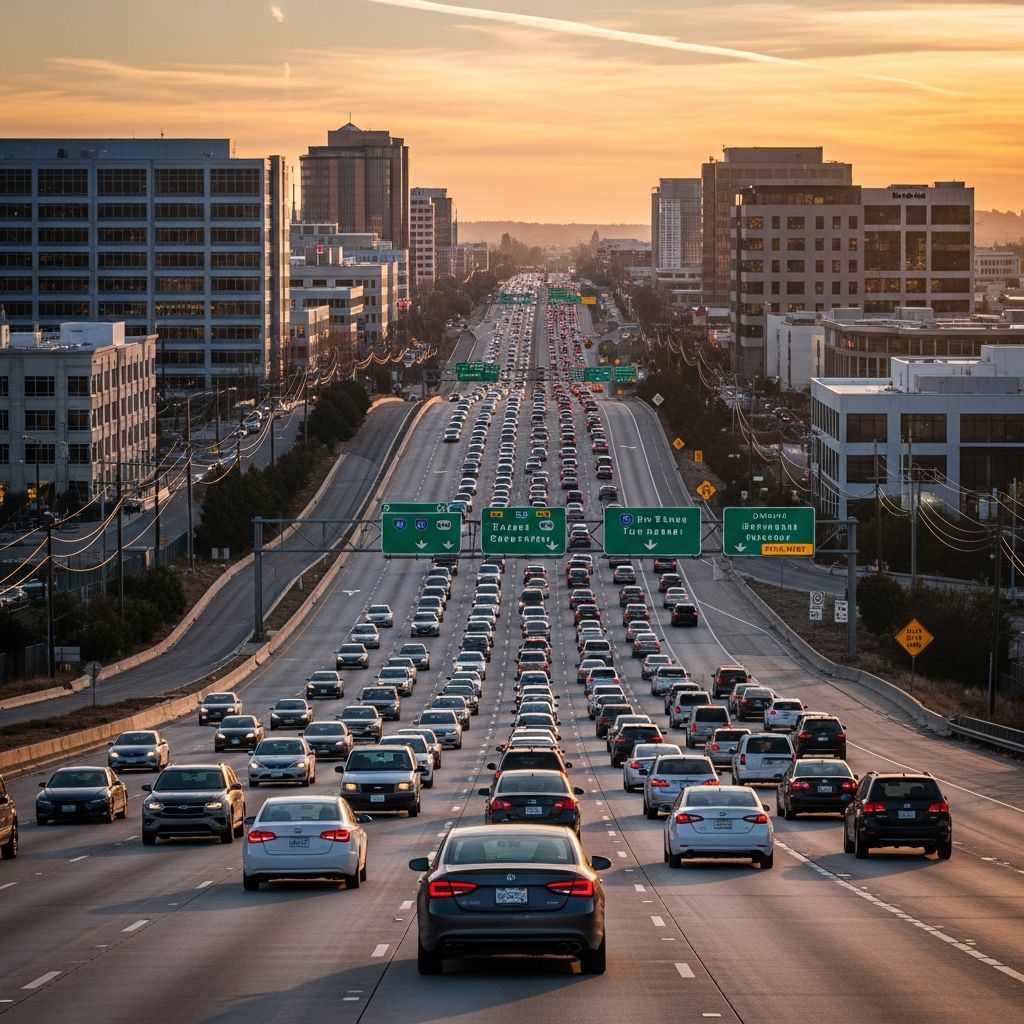
According to the Citi ThankYou Premier Commuter Index, the average cost of an American commute stands at
$2,600
annually, encompassing direct expenses like gas and maintenance as well as indirect costs such as time and health impacts. U.S. Census Bureau data reveals that Americans spend about 26 minutes one way commuting by car, totaling nearly one hour daily for many, which accumulates to billions of collective hours yearly.Commuting Cost Basics
Calculating commute costs involves multiple approaches, from direct out-of-pocket spending to opportunity costs and income percentages. Most commuters drive alone, making vehicle reliability crucial for job security, as telecommuting remains unavailable to over half of workers.
Direct costs primarily include
gas
, the largest expense for solo drivers. For a 60-mile round trip at 23 miles per gallon and $2.88 per gallon (AAA Fuel Gauge Report mid-March average), weekly gas costs roughly $37.50, or $1,875 annually assuming 50 work weeks. Additional expenses cover vehicle maintenance like oil changes, tires, and repairs; car insurance; tolls; public transit fares; and parking fees, which can significantly inflate totals in urban areas.Another metric views costs as a percentage of income. Low-income Americans, despite lower absolute spending, allocate a higher share—often exceeding 20%—to transportation, straining budgets more than for high earners.
Opportunity cost factors in uncompensated time: 26 minutes one way equals about 4.3 hours weekly or 215 hours yearly per commuter, time unavailable for work, family, or leisure, potentially valued at wage rates.
Health impacts add a hidden dimension. A Gallup poll of over 170,000 workers (2009-2010) showed commuters with 90+ minute one-way trips scoring 63.9 on a 100-point health index, versus 69.2 for those with 10-minute commutes, linking long drives to stress, obesity, and poorer well-being.
Housing Costs vs. Transportation Costs
Traditionally, families traded larger, cheaper suburban homes for longer commutes versus pricier urban apartments near jobs. However, evolving job markets and housing shortages have disrupted this balance.
Brookings Institution analysis indicates a 6% drop in jobs accessible within typical commute distances from 2000 to 2012, with commute times rising nationally—9.8% of workers (14.5 million) face 60+ minute one-way trips, and 3.1% (4.6 million) endure 90+ minute “mega-commutes” per 2019 Census data. Cities like Chicago (33+ minutes in some areas) and New York (37+ minutes) exemplify extremes.
Disparities affect low-income and minority groups disproportionately. As these populations suburbanized in the 2000s, their job proximity declined more than for white, affluent residents, exacerbating long commutes.
Housing shortages in high-productivity metros like San Francisco or New York force even well-off workers outward, inflating transport costs. Section 8 voucher recipients often travel far for accepting landlords and affordable units, with transportation expenses sometimes surpassing voucher values in sprawling metros, per recent HUD research.
This prompts calls for
holistic affordability
, integrating housing and transport. Transportation ranks as the second-largest household expense after housing; ideal cities balance both with short commutes.Commuting Costs by City
Commute expenses vary widely by location due to gas prices, traffic, public transit availability, and parking. Shortest commutes foster better job markets: Wichita Falls, TX (14 minutes median), Abilene, TX (14 minutes), and Topeka, KS (15 minutes) lead, per SmartAsset’s 2025 study. Murfreesboro, TN, averages 17.7 minutes with strong employer health benefits.
| City | Median Commute Time | Key Factors |
|---|---|---|
| Wichita Falls, TX | 14 minutes | Low traffic, affordable parking |
| Abilene, TX | 14 minutes | Suburban job access |
| Topeka, KS | 15 minutes | Balanced housing-transport |
| Murfreesboro, TN | 17.7 minutes | Low unemployment (4.2% in 2023) |
| Chicago (select areas) | 33+ minutes | Heavy traffic, rail options |
In contrast, high-cost metros amplify expenses: a New Yorker might spend thousands extra on transit passes or parking.
Strategies to Reduce Commute Costs
- Carpool or rideshare: Split gas, tolls, and parking; apps like Waze Carpool facilitate matching.
- Public transit: Pre-tax employer benefits via commuter programs cover passes, saving 20-40%.
- Bike or walk: Feasible in short-commute cities; reduces costs to zero while boosting health.
- Telecommute: Growing post-pandemic, though limited; negotiate hybrid schedules.
- Relocate closer: Weigh total costs using tools like SmartAsset’s Cost of Living Calculator, factoring transport.
- Fuel-efficient vehicles: Hybrids or EVs cut gas; maintenance offsets initial costs long-term.
Employer perks like transit subsidies or vanpools further ease burdens.
Future of American Commutes
Technological shifts promise relief: advanced telecom enables remote work for more, while autonomous vehicles could optimize routes and reduce stress. SmartAsset’s 2025 job market study highlights cities prioritizing short commutes for work-life balance. Yet, policy interventions—like zoning reforms for near-job housing and expanded transit—are essential to address supply shortages.
In the interim, holistic planning remains key: short commutes via employer benefits and pre-tax spending on transit/parking offer immediate savings.
Frequently Asked Questions (FAQs)
Q: What is the average annual cost of an American commute?
A: Approximately
$2,600
, per the Citi ThankYou Premier Commuter Index, including gas, maintenance, and time.Q: How long is the average one-way commute in the U.S.?
A: About 26-27.6 minutes by car, per U.S. Census Bureau, totaling nearly 250 hours yearly.
Q: Which cities have the shortest commutes?
A: Wichita Falls, TX (14 min), Abilene, TX (14 min), and Topeka, KS (15 min).
Q: How do long commutes affect health?
A: Gallup data shows 90+ minute commuters with lower health scores (63.9 vs. 69.2 for short commutes).
Q: What percentage of income do low-income commuters spend on transport?
A: Often a higher share than high earners, up to 20%+, despite lower totals.
Q: How can I calculate my personal commute cost?
A: Use SmartAsset’s commute calculator, factoring gas, miles, maintenance, and time.
References
- The Average Cost of an American Commute — SmartAsset. 2023. https://smartasset.com/personal-finance/the-average-cost-of-an-american-commute
- 3 Costs of Your Commute to Work — SmartAsset. 2023. https://smartasset.com/auto/3-costs-of-your-commute-to-work
- 2026 Cost of Living Calculator — SmartAsset. 2026. https://smartasset.com/mortgage/cost-of-living-calculator
- Best Job Markets – 2025 Study — SmartAsset. 2025. https://smartasset.com/data-studies/best-job-markets-2025
- What Will My Commute Be? — SmartAsset. 2023. https://smartasset.com/mortgage/what-will-my-commute-be
Similar Articles








Read full bio of medha deb