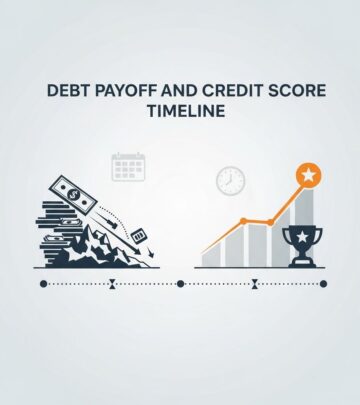
The 7 Debt Payoffs That Boost Your Credit Score the Most
Discover the top 7 debt payoffs that can significantly improve your credit score and pave the way to better financial health.

Your credit score is one of the most critical factors in your financial life, influencing everything from loan approvals to interest rates on mortgages, car loans, and even rental applications. Paying off debt strategically can dramatically improve this score, but not all debts are created equal. Certain types of debt have a more profound impact on your FICO or VantageScore than others due to how credit scoring models weigh factors like payment history (35%), amounts owed (30%), length of credit history (15%), new credit (10%), and credit mix (10%).
This article explores the
7 debt payoffs that boost your credit score the most
, prioritizing those that address derogatory marks, high utilization, and recent delinquencies. By focusing on these, you can see improvements in as little as 30-45 days as credit bureaus update your reports. Backed by insights from financial experts and scoring model analyses, these strategies help you target high-impact areas first.1. Past Due Balances on Revolving Accounts
The fastest way to boost your score is paying off
past due balances on credit cards or lines of credit
. Late payments remain on your report for up to seven years, but bringing accounts current stops further damage and can improve your score immediately. Scoring models heavily penalize delinquencies, especially those over 30, 60, or 90 days past due.For example, if you’ve missed payments on a Visa card, contact the issuer to negotiate a ‘pay-for-delete’ or simply pay it current. Once reported as current, your payment history score jumps. According to credit experts, resolving recent lates (within the last 12-24 months) yields the biggest gains, as older negatives weigh less over time.
- Impact: Up to 100+ point increase if multiple lates are cured.
- Timeline: Visible in 30 days.
- Tip: Pay more than the minimum to reduce utilization simultaneously.
2. High Credit Card Utilization (Over 30%)
**Credit utilization ratio**—the balance compared to your credit limit—is 30% of your score. Keeping it under 30% (ideally 1-10%) signals responsible use. Paying down cards with balances over 30% of limits delivers quick wins, even if not fully paid off.
Suppose you have a $10,000 limit with $5,000 owed (50% utilization). Dropping it to $2,000 (20%) can raise your score 50-100 points. Prioritize cards closest to maxed out. Unlike installment loans, revolving debt payoff directly lowers this ratio, unlike closing the account which can hurt.
| Utilization Level | Score Impact | Example |
|---|---|---|
| 0-10% | Excellent (+) | $1,000 on $10k limit |
| 10-30% | Good | $2,500 on $10k |
| 30-50% | Fair (-) | $4,000 on $10k |
| 50-69% | Poor (–) | $6,000 on $10k |
| 70-100%+ | Very Poor (—) | $9,000 on $10k |
3. Collections Accounts (Especially Recent Ones)
**Charged-off or collection accounts** are red flags, tanking scores by 100+ points. Pay these off first, particularly medical collections under $500 or recent ones (last 2 years), as they hurt most. Many agencies offer pay-for-delete agreements—get it in writing.
Post-2023 credit scoring changes (FICO 10T, UltraFICO) weigh paid collections less heavily, but unpaid ones still drag. Dispute inaccuracies via AnnualCreditReport.com first. Impact is highest on thin files (new credit users).
- Pro Tip: Use a debt validation letter to verify legitimacy before paying.
- Warning: Avoid new collection activity by setting autopay.
4. Recently Delinquent Installment Loans
While installment loans (auto, personal, student) don’t affect utilization like revolving debt,
recent delinquencies
on them hurt payment history. Pay these current to halt negative reporting. Note: Fully paying off installment debt early may not boost (or could slightly dip) your score by shortening credit history and mix.Strategy: Cure lates on student or auto loans, then keep paying minimums to maintain positive aging. Federal student loans report to bureaus differently—use NSLDS.ed.gov for status.
5. Smallest Revolving Balances (Snowball Method)
Pay off
smallest credit card balances first
for psychological wins and rapid utilization drops. The debt snowball builds momentum: $200 card paid = one less account hurting ratio. Combine with avalanche (high-interest first) for dual benefits.- List cards by balance ascending.
- Pay minimums on all, extra on smallest.
- Rinse and repeat—watch score climb.
6. Judgments, Liens, and Bankruptcies (If Applicable)
**Public records** like judgments or liens devastate scores (150+ point drops). Satisfy them via court payment plans. Bankruptcies (Chapter 7/13) stay 7-10 years but impact lessens after 2 years; paying associated debts helps.
Check PACER.gov for federal records. Update bureaus post-satisfaction—scores rebound 50-100 points.
7. Consolidate and Refinance High-APR Debt
Not pure payoff, but
refinancing high-interest cards
into lower-rate personal loans or balance transfers reduces utilization and payments, aiding sustained payoff. 0% intro APR transfers (12-21 months) let you pay principal fast without interest accrual.Caution: Avoid if it shortens history or adds inquiries. Pros outweigh for scores above 670.
Common Myths About Debt Payoff and Credit Scores
- Myth: Paying off any debt always raises score. Reality: Installment payoff can lower mix/history factors.
- Myth: Closing paid cards helps. Reality: Keeps utilization low, preserves history.
- Myth: Scores update instantly. Reality: 30-45 day cycle.
Frequently Asked Questions (FAQs)
Does paying off debt early always improve my credit score?
No, paying off revolving debt boosts it via utilization, but early installment payoff may not (or slightly hurts) due to credit mix and history. Keep loans open.
How long until my score improves after payoff?
Typically 30-45 days as issuers report to Equifax, Experian, TransUnion. Monitor via free weekly reports at AnnualCreditReport.com.[10]
Should I pay off collections or cards first?
Prioritize past dues and high utilization first for biggest gains, then collections. Negotiate deletes.
What’s better: snowball or avalanche method?
Snowball for motivation/small balances (score wins), avalanche for interest savings. Hybrid works best.
Can paying debt hurt my score?
Yes, if it closes old accounts or removes positive mix. Always pay minimums on good accounts.
Action Plan: Boost Your Score in 90 Days
Pull reports, list debts by impact (above 7), allocate extra funds. Track via Credit Karma (VantageScore) or official FICO apps. Aim for 10% utilization, zero lates. Combine with on-time payments elsewhere for compounded gains.
Debt payoff isn’t just score improvement—it’s financial freedom. Save thousands in interest, qualify for better rates. Start today: one payment at a time.
References
- Paying Off Debt Early: Pros and Cons — Nevada State Bank. 2022-11-01. https://www.nsbank.com/personal/community/two-cents-blog/2022-11-01-paying-off-debt-early/
- Your Payment History Has a Huge Impact on Your Credit Score — Wise Bread. Accessed 2026. https://www.wisebread.com/your-payment-history-has-a-huge-impact-on-your-credit-score-heres-how-to-improve-it
- Direct Loan Exit Counseling Guide — U.S. Department of Education (via SGU). Accessed 2026. https://studentaid.gov/sites/default/files/Direct-Loan-Exit-Counseling-Guide.pdf
- Credit, Debt, Credit Cards, Interest – Financial Literacy Resources — Florida International University Library (.edu). Accessed 2026. https://library.fiu.edu/finliteracy/credit
Similar Articles








Read full bio of Sneha Tete