The 12 Herbs and Spices Every Pantry Should Have
Elevate your cooking with these 12 essential herbs and spices that belong in every well-stocked pantry for versatile meals.
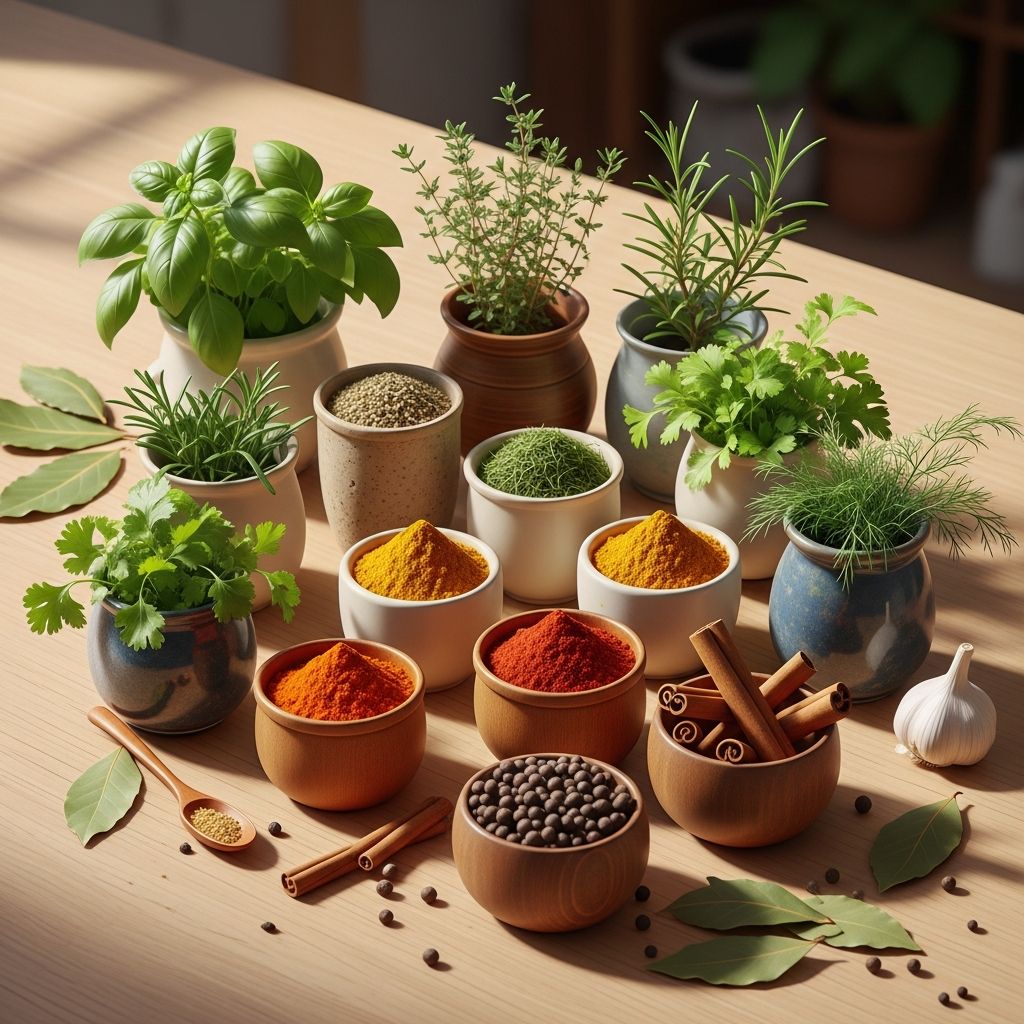
Stocking your pantry with the right herbs and spices is one of the smartest moves any home cook can make. These flavor powerhouses can transform simple ingredients into gourmet meals, save money by reducing reliance on pre-made sauces, and add variety to everyday cooking. Whether you’re whipping up a quick weeknight dinner or baking holiday treats, having these 12 essentials on hand ensures you’re prepared for almost any recipe. This guide covers their uses, storage tips, and recipe ideas, drawing from timeless culinary wisdom and modern pantry strategies.
Why Every Pantry Needs These Essentials
Herbs and spices do more than just add taste—they preserve food, aid digestion, and boost health benefits like antioxidants in spices such as cinnamon and turmeric-related compounds in paprika. A well-stocked spice rack prevents bland meals and encourages experimentation. Start with small quantities to keep them fresh, as ground spices lose potency after 2-3 years and whole spices after 4 years. Store in a cool, dark place away from heat and light for maximum shelf life.
- Versatility: Cover Italian, Mexican, Asian, and baking needs.
- Cost-Effective: Bulk buys from reputable sources save money long-term.
- Health Boost: Many offer anti-inflammatory properties, like black pepper’s piperine.
1. Bay Leaves
Bay leaves are the unsung heroes of slow-cooked dishes. These dried leaves from the laurel tree impart a subtle, earthy aroma that deepens soups, stews, and sauces. Always remove before serving, as they remain tough even when cooked. Use 1-2 leaves per quart of liquid.
- Best Uses: Pot roasts, tomato sauces, rice pilafs, and bean soups.
- Pro Tip: Crush slightly to release oils; California bay leaves are milder, Turkish more pungent.
- Recipe Idea: Add to beef stew with carrots and potatoes for robust flavor.
2. Thyme
Thyme’s woodsy, lemony notes make it indispensable for meats and vegetables. Fresh or dried, it pairs perfectly with poultry, fish, and roasted veggies. Its antimicrobial properties have been valued historically.
- Best Uses: Chicken soup, grilled lamb, green beans, and stuffing.
- Pro Tip: Strip leaves from stems; 1 tsp dried equals 1 tbsp fresh.
- Recipe Idea: Thyme-roasted potatoes: Toss with oil, salt, and thyme at 400°F for 40 minutes.
3. Oregano
Bold and slightly bitter, oregano is the backbone of Mediterranean cuisine. It’s robust enough for pizza and pasta sauces, shining in Greek salads and marinades.
- Best Uses: Tomato-based dishes, eggplant parmesan, gyros.
- Pro Tip: Mexican oregano (from Lippia graveolens) is brighter than Mediterranean.
- Recipe Idea: Oregano-lemon chicken: Marinate breasts overnight.
4. Basil
Sweet basil defines Italian summers with its peppery, anise-like flavor. Ideal for fresh use in pesto or dried in rubs, it wilts beautifully into sauces.
- Best Uses: Caprese salad, pesto, tomato soup.
- Pro Tip: Add at the end of cooking to preserve volatiles.
- Recipe Idea: Classic pesto: Blend basil, pine nuts, garlic, parmesan, olive oil.
5. Rosemary
Rosemary’s piney, resinous punch stands up to long cooking times, perfect for roasts. Its needle-like leaves release oils when bruised.
- Best Uses: Lamb, focaccia bread, potatoes.
- Pro Tip: Chop finely or use whole sprigs.
- Recipe Idea: Rosemary garlic bread: Infuse butter with minced rosemary.
6. Sage
With a savory, slightly peppery taste, sage excels in fall dishes. It’s a staple for sausage and Thanksgiving turkey.
- Best Uses: Pasta with pumpkin sauce, sage butter on ravioli.
- Pro Tip: Fry leaves for crispy garnish.
- Recipe Idea: Brown butter sage pasta: Sauté sage in butter, toss with noodles.
7. Parsley
Often dismissed as garnish, parsley adds fresh, grassy brightness. Curly for decor, flat-leaf (Italian) for cooking.
- Best Uses: Tabbouleh, chimichurri, potato salad.
- Pro Tip: Freeze chopped in ice cubes for easy use.
- Recipe Idea: Parsley potatoes: Boil new potatoes, toss with parsley and butter.
8. Red Pepper Flakes
For heat without smoke, red pepper flakes (crushed dried chilis) bring adjustable spice. Start with a pinch.
- Best Uses: Pizza, stir-fries, eggs.
- Pro Tip: Aleppo or Maras flakes for milder fruitiness.
- Recipe Idea: Spicy olive oil: Infuse flakes in oil for bread dipping.
9. Cumin
Earthy and nutty with warm notes, cumin is essential for Mexican, Indian, and Middle Eastern fare.
- Best Uses: Chili, tacos, curries.
- Pro Tip: Toast seeds for intensified flavor.
- Recipe Idea: Cumin-spiced lentils: Simmer with onion and garlic.
10. Paprika
Paprika ranges from sweet to hot, adding color and mild smokiness. Hungarian for depth, Spanish pimentón for smoke.
- Best Uses: Deviled eggs, goulash, paella.
- Pro Tip: Sprinkle on popcorn or fries.
- Recipe Idea: Paprika chicken: Rub thighs, roast with onions.
11. Chili Powder
A blend of chilis, cumin, garlic, and oregano, chili powder fuels Tex-Mex. Make your own for freshness.
- Best Uses: Chili con carne, fajitas.
- Pro Tip: Ancho for mild, chipotle for smoke.
- Recipe Idea: Homemade chili: Brown beef, add powder, beans, tomatoes.
12. Cinnamon
Warm and sweet, cinnamon bridges savory and sweet. Ceylon is milder than Cassia.
- Best Uses: Oatmeal, tagines, apple pie.
- Pro Tip: Grate sticks for freshest grind.
- Recipe Idea: Moroccan carrots: Glaze with cinnamon, honey, cumin.
Bonus Pantry Upgrades
Once you master the core 12, expand with garlic powder, onion powder, ginger, dill, and black pepper for broader coverage.
| Cuisine | Recommended Add-Ons |
|---|---|
| Italian | |
| Mexican | |
| Asian | |
| Baking |
Storage and Buying Tips
Buy whole spices when possible and grind as needed. Check for vibrant color and aroma—faded means replace. Opaque tins or glass jars in a drawer preserve potency. Label with dates.
- Avoid pre-ground for longevity.
- Test potency: Rub a pinch; no scent? Toss it.
- Budget Hack: Buy in bulk from ethnic markets.
Frequently Asked Questions (FAQs)
Q: How long do herbs and spices last?
Ground spices: 2-3 years; whole: 4 years; herbs: 1-3 years. Store properly to extend.
Q: Fresh vs. dried—which is better?
Dried for pantry staples; use 1/3 the amount of fresh equivalents.
Q: Can I substitute one for another?
Sometimes, like oregano for marjoram, but profiles differ. Experiment cautiously.
Q: Are spices healthy?
Yes—antioxidants in cinnamon aid blood sugar; pepper boosts nutrient absorption.
Sample Weekly Meal Plan with Essentials
| Day | Dish | Key Spices |
|---|---|---|
| Monday | Chicken Noodle Soup | Thyme, Bay |
| Tuesday | Beef Tacos | Cumin, Chili Powder |
| Wednesday | Tomato Basil Pasta | Basil, Oregano |
| Thursday | Roast Lamb | Rosemary, Paprika |
| Friday | Chili | Chili Powder, Cumin |
| Saturday | Sage Ravioli | Sage, Red Pepper |
| Sunday | Cinnamon French Toast | Cinnamon |
These 12 herbs and spices form a versatile foundation, adaptable to countless cuisines while keeping your cooking exciting and efficient. Build your collection gradually and enjoy the flavors!
References
- 21 Essential Pantry Spices & Herbs — Kitchen Yetu (YouTube). 2020-01-21. https://www.youtube.com/watch?v=rAeO67qst84
- Staple Flavorings for Everyone’s Kitchen — Spice Advice. Accessed 2026. https://spiceadvice.com/usage/staple/
- Survivalist Spice Rack: 12 Spices for Preparedness — Be Prepared. Accessed 2026. https://www.beprepared.com/blogs/articles/survivalist-spice-rack-12-spices-for-preparedness
Similar Articles








Read full bio of Sneha Tete