Thank You Email After Job Interview: Templates And Examples
Master the art of post-interview follow-up with proven templates and strategies.
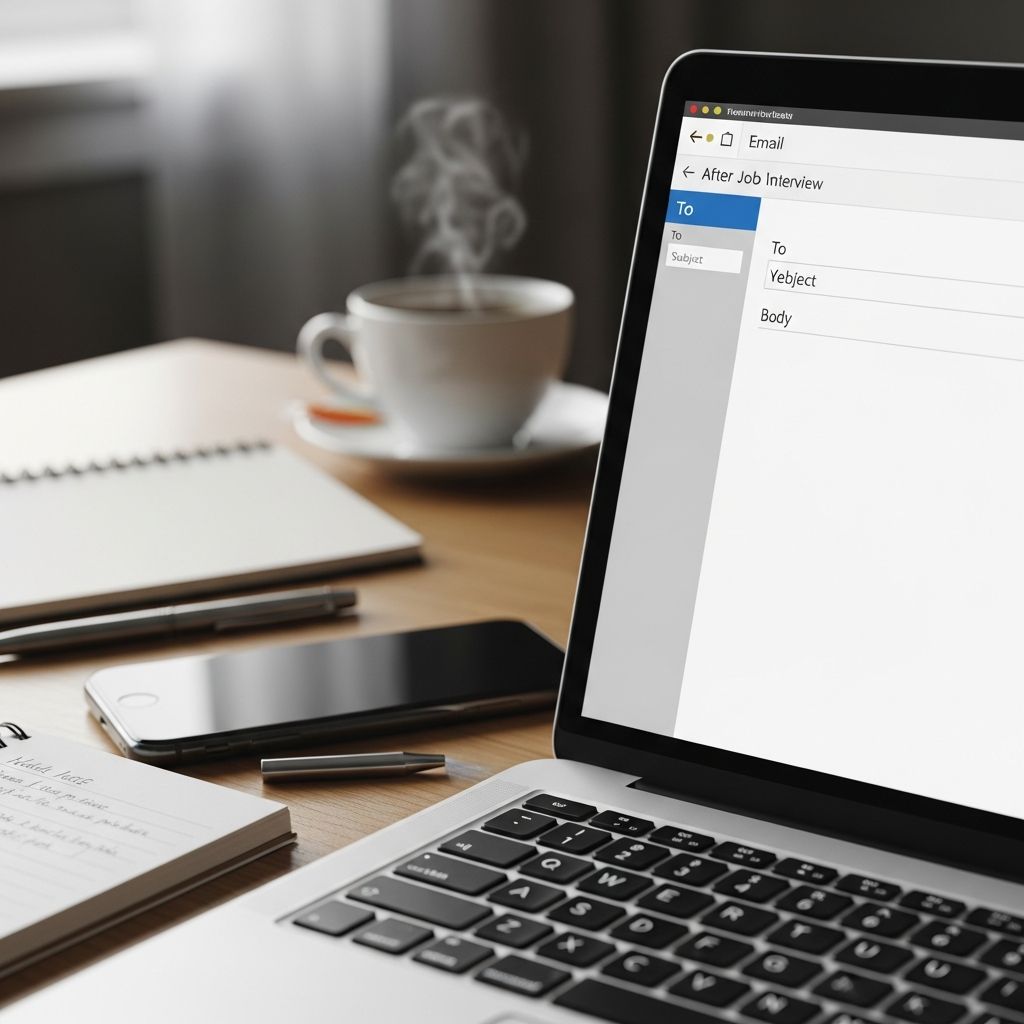
Sending a thank you email after a job interview is a critical step in the job search process that many candidates overlook. This simple gesture demonstrates professionalism, gratitude, and genuine interest in the position. A well-crafted thank you email can reinforce your qualifications, remind the hiring manager of your conversation, and potentially set you apart from other candidates. In today’s competitive job market, these follow-up communications often make the difference between advancing to the next round and being passed over.
Why Send a Thank You Email After an Interview?
A thank you email serves multiple important purposes in your job search journey. First, it shows respect for the interviewer’s time and demonstrates your professionalism and courtesy. Second, it keeps you top of mind during the hiring decision process. Hiring managers often review candidates in batches, and a thoughtful follow-up email reminds them of your candidacy just when they may be deliberating.
Additionally, a thank you email provides an opportunity to reinforce key points from your conversation that directly align with the job requirements. You can strategically reference specific topics discussed during the interview to demonstrate active listening and genuine enthusiasm for the role. This is also your chance to address any concerns that may have arisen during the interview or provide additional information that you forgot to mention.
Furthermore, sending a thank you email shows that you have strong communication skills and attention to detail—qualities most employers value highly. It demonstrates initiative and follow-through, which are indicators of a reliable and professional employee.
When to Send Your Thank You Email
Timing is crucial when sending a thank you email. Ideally, you should send your email within 24 hours of your interview while the conversation is still fresh in the interviewer’s mind. However, sending it within a few hours is even better if possible. This prompt response demonstrates enthusiasm and promptness.
If you interviewed in the morning, aim to send your email by late afternoon or early evening. If your interview was in the afternoon, send it by the next morning. Avoid sending thank you emails very late at night or very early in the morning, as this can come across as unprofessional or attention-seeking.
During busy recruiting seasons or around holidays, you might want to send your email slightly earlier in the day to ensure it gets noticed. The goal is to land in the interviewer’s inbox at a time when they’re likely to see and consider it thoughtfully.
Basic Structure and Format
A professional thank you email should follow standard business email conventions. Start with an appropriate greeting, typically “Dear [Interviewer’s Name]” or “Hi [Interviewer’s Name],” depending on the formality of the company and your interaction. Using the interviewer’s name is important—it personalizes your message and shows you paid attention during the interview.
The subject line should be clear and professional. Examples include “Thank You for Your Time Today,” “Thank You from [Your Name],” or “Interview Follow-Up: Thank You.” A clear subject line ensures your email doesn’t get lost in a crowded inbox and makes it easy for the hiring manager to categorize it.
The body of your email should be concise, typically three to four paragraphs. Aim for 150 to 250 words total. Keep paragraphs short and easy to read, especially since many people check emails on mobile devices. Use a professional closing such as “Sincerely,” “Best regards,” or “Thank you,” followed by your full name and contact information.
Key Elements to Include
Your thank you email should include several essential components. Begin by expressing genuine gratitude for the interviewer’s time and the opportunity to discuss the position. Be specific about what you appreciated—perhaps mention the thoughtful questions asked or the informative nature of the conversation.
Next, reference specific topics or moments from your interview. This demonstrates that you were actively listening and engaged throughout the conversation. Mentioning specific details shows the interviewer that the meeting made an impression on you and that you were genuinely interested in learning about the role and company.
Reinforce your interest in the position and the company. Use this opportunity to briefly reiterate why you believe you’re a strong fit for the role. Connect your skills and experience directly to the needs you discussed during the interview. However, keep this section brief—your resume and interview have already covered your qualifications in detail.
If appropriate, you can include a brief personal note or additional information. This might be a link to a portfolio, a project you discussed, or relevant articles related to topics mentioned in your conversation. Such additions show thoughtfulness and provide extra value.
Finally, include a call to action or expression of next steps. You might write something like “I look forward to hearing from you about the next steps in the hiring process” or “Please feel free to contact me if you need any additional information.”
Template: Standard Thank You Email
Here’s a professional template you can customize for most interview situations:
Subject Line: Thank You for Your Time Today
Email Body:
Dear [Interviewer’s Name],
Thank you so much for taking the time to meet with me today to discuss the [Job Title] position at [Company Name]. I truly enjoyed our conversation and learning more about the role and your organization.
I was particularly impressed by [mention specific topic discussed, such as “the company’s innovative approach to customer service” or “the team’s commitment to sustainability”]. This aligns perfectly with my professional values and interests, and it has reinforced my enthusiasm for this opportunity.
I believe my experience in [relevant skill or experience] makes me a strong candidate for this role. I’m excited about the possibility of contributing to your team and helping achieve [specific goal mentioned during interview].
Thank you again for your time and consideration. Please don’t hesitate to contact me if you need any additional information. I look forward to hearing from you regarding the next steps.
Best regards,
[Your Full Name]
[Your Phone Number]
[Your Email Address]
[Your LinkedIn URL]
Different Scenarios and Examples
After a Phone Interview
Phone interviews are often the first screening step. Keep your thank you email concise and focused on your continued interest:
Dear [Interviewer’s Name],
Thank you for the opportunity to speak with you today about the [Position] role. I appreciate you taking the time from your schedule to learn more about my background and experience. I’m genuinely interested in this opportunity and would welcome the chance to discuss how my skills can benefit your team.
Best regards,
[Your Name]
After a Panel Interview
When you interview with multiple people, you have options. You can send individual emails to each person or one group email. Individual emails are generally more personalized and effective:
Dear [Each Interviewer’s Name],
Thank you all for meeting with me today to discuss the [Position] role. I enjoyed speaking with each of you and learning about different aspects of the team and company culture. Your diverse perspectives gave me valuable insight into what success looks like in this role.
I’m very excited about this opportunity and believe my [specific skill] would be a valuable asset to your team. Thank you again for your time and consideration.
Best regards,
[Your Name]
After a Second or Final Round Interview
By the final round, you should be more specific about your interest and tie it directly to the company’s needs:
Dear [Interviewer’s Name],
Thank you again for the opportunity to meet with you and the team today. I was impressed by [specific discussion point about team or company strategy]. Our conversation has reinforced my confidence that this role is an excellent match for my skills and career goals.
I’m eager to bring my [specific expertise] to your organization and contribute to [specific company initiative]. I appreciate you taking the time to help me better understand the role and team dynamics.
I look forward to the next steps in the process. Please feel free to reach out if you need any additional information.
Sincerely,
[Your Name]
After an Informational Interview
Informational interviews are less formal but still merit a thank you:
Dear [Contact Name],
Thank you so much for taking time to meet with me today. I greatly appreciated your insights about [industry/company/role] and the valuable advice you shared about my career path. Your perspective on [specific topic] was particularly helpful and has given me much to think about as I move forward in my job search.
I’m grateful for your generosity with your time and would love to stay in touch. Please let me know if there’s any way I can reciprocate or support you in the future.
Best regards,
[Your Name]
Common Mistakes to Avoid
When writing your thank you email, be mindful of these common pitfalls. Don’t use a generic template without personalization—hiring managers can immediately tell when emails are impersonal. Always customize your message with specific details from your interview.
Avoid sending the exact same thank you email to multiple interviewers. Each person will recognize this and may be disappointed. Instead, tailor each email slightly based on what you discussed with each individual interviewer.
Don’t make your email too long. Hiring managers are busy, and a lengthy thank you email may not be read in full. Stick to three to four concise paragraphs that respect the reader’s time.
Avoid bringing up salary, benefits, or start dates in your thank you email. These topics should only be discussed during formal offer negotiations. Your thank you email is about gratitude and reiterating your interest, not compensation.
Don’t send your email with grammatical errors or typos. Proofread carefully before sending. Errors can hurt your professional image and suggest a lack of attention to detail.
Avoid being overly casual or using too much enthusiasm. While you want to show genuine interest, maintain a professional tone throughout. Skip excessive exclamation marks or overly familiar language.
Pro Tips for Stand-Out Thank You Emails
To make your thank you email truly memorable, include a specific reference that shows you were truly engaged during your interview. Maybe mention an interesting project the team is working on or a personal anecdote the interviewer shared about their career journey.
If you noticed any gaps in your interview—something you didn’t explain clearly or a qualification you forgot to mention—use your thank you email to tactfully address this. For example, you might write, “I realized I didn’t fully explain my experience with [skill], which directly relates to your need for [requirement].”
Consider adding value by including a relevant link, article, or resource mentioned during your conversation. This demonstrates initiative and gives you another reason for your email to stand out.
Keep the tone warm but professional. You want the reader to feel your genuine enthusiasm for the opportunity while maintaining appropriate professional boundaries.
Always include your contact information in your email signature. This makes it easy for the hiring manager to reach you if they have questions or want to move forward in the process.
Frequently Asked Questions
Q: Should I send a thank you email if I don’t think the interview went well?
A: Yes, absolutely. Sending a thank you email demonstrates professionalism regardless of how you feel the interview went. You never know how the interviewer perceived the conversation, and a thank you email might help offset any concerns they have.
Q: Is email or handwritten note better for a thank you?
A: Email is the modern standard and preferred method for most interviews. It’s immediate, professional, and ensures your message is received. Handwritten notes are rarely expected unless you have a specific reason to believe the company has a traditional culture that would appreciate them.
Q: Can I send a thank you text message instead of email?
A: Unless you already have an established casual relationship with the interviewer and have exchanged text messages during the interview process, stick with email. Text messages are too informal for professional thank you messages and may come across as presumptuous.
Q: How many interviews can I have before sending thank you emails becomes excessive?
A: You should send a thank you email after every interview, whether it’s the first, second, third, or final round. Each conversation warrants appreciation, and consistency shows your genuine interest in the opportunity.
Q: What if I sent a thank you email and didn’t hear back?
A: Don’t worry—lack of response to a thank you email is normal. Hiring managers typically don’t reply to thank you emails. They’re acknowledging your professionalism and gratitude through their continued interest in your candidacy. If you haven’t heard about next steps within the timeframe they mentioned, you can send a brief follow-up email asking for an update.
Q: Should I reference my thank you email in future communications?
A: No, there’s no need to reference your thank you email in future communications. Let it stand on its own. In subsequent emails or calls about the position, simply continue your professional conversation as if the thank you email was a natural part of the process.
Final Thoughts
A thank you email after a job interview is a simple yet powerful tool in your job search arsenal. It requires minimal time and effort but can significantly impact how you’re perceived by hiring managers. By following the templates and guidelines provided, personalizing your message, and maintaining a professional tone, you’ll create a lasting positive impression that reinforces your candidacy.
Remember that a thank you email is not just about politeness—it’s a strategic opportunity to reaffirm your interest, highlight key qualifications, and demonstrate the communication skills that make you an ideal employee. In today’s competitive job market, these small gestures of professionalism can be the deciding factor in your job search success.
Take the time to craft thoughtful, personalized thank you emails after each interview. Your future employer will appreciate your professionalism, and you’ll appreciate the positive results that follow.
References
- Three Templates for A Perfect Interview Thank You Email — Mac’s List. Accessed November 29, 2025. https://www.macslist.org/interviews/three-killer-templates-interview-thank-you-emails
- Thank You Email After Interview — Management Consulted. Accessed November 29, 2025. https://managementconsulted.com/thank-you-email-after-interview/
- How to Write a Thank You Email After an Interview (with Examples) — Boston University Questrom School of Business. August 28, 2025. https://questromfeld.bu.edu/blog/2025/08/28/how-to-write-a-thank-you-email-after-an-interview-with-examples/
- How to Write a Thank-you Email After an Interview (with Samples!) — The Muse. Accessed November 29, 2025. https://www.themuse.com/advice/how-to-write-an-interview-thankyou-note-an-email-template
- 20 Post-Interview Thank You Email Examples for Any Situation — MailTracker. Accessed November 29, 2025. https://www.getmailtracker.com/blog/post-interview-thank-you-email
- 4 Sample Thank-You Emails To Send After an Interview — Indeed Career Advice. Accessed November 29, 2025. https://www.indeed.com/career-advice/interviewing/sample-thank-you-letter-after-interview
- Interview Follow-Up: Thank-You Notes — Harvard Law School Bernard Koteen Office of Public Interest Advising. Accessed November 29, 2025. https://hls.harvard.edu/bernard-koteen-office-of-public-interest-advising/opia-job-search-toolkit/interview-follow-up-thank-you-notes/
Similar Articles








Read full bio of medha deb