Texas A&M University College Station: Profile & Overview
Explore Texas A&M University's academic excellence, campus life, and Aggie traditions.
Texas A&M University College Station: A Comprehensive Profile
Texas A&M University stands as one of the nation’s premier public research institutions, representing a beacon of academic excellence and tradition in the heart of Texas. Founded in 1876 as the state’s first public institution of higher learning, Texas A&M has evolved into a comprehensive university that serves over 79,000 students across its various campuses. The College Station campus, the flagship location, hosts more than 72,560 students and serves as the intellectual and cultural hub of what the community affectionately calls “Aggieland.” This institution has earned its reputation not merely through the breadth of its academic offerings but through a distinctive culture of leadership, service, and community that defines the Aggie experience.
Institution Overview and Designations
Texas A&M University holds a unique and prestigious status within American higher education. It remains one of only 24 institutions nationwide to simultaneously hold land-grant, sea-grant, and space-grant designations, a distinction that speaks to its comprehensive research capabilities and commitment to serving multiple sectors of society. As a public, comprehensive university founded in 1876, Texas A&M operates as part of the larger Texas A&M University System, which manages 12 universities and serves approximately 175,000 students statewide with an annual budget of $8.1 billion. The College Station campus is strategically located in the heart of the Houston-Dallas-Austin triangle, positioning it within reach of major Texas metropolitan areas while maintaining the character of a college town environment.
The university’s commitment to academic rigor is evident in its diverse academic portfolio. Programs are offered through multiple colleges including Agriculture, Architecture, Business Administration, Education, Engineering, Geosciences, Liberal Arts, Medicine, Science, and Veterinary Medicine, providing students with opportunities to pursue education in over 100 different fields. This breadth of academic offerings ensures that students can find programs aligned with their career aspirations and intellectual interests, whether they seek traditional paths or interdisciplinary opportunities.
Campus and Community
Physical Campus Layout
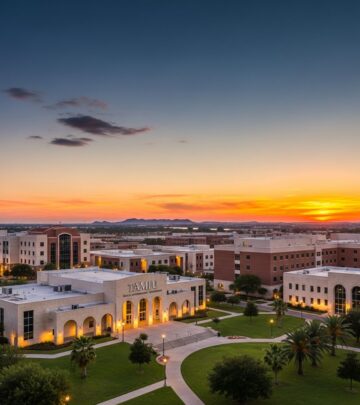
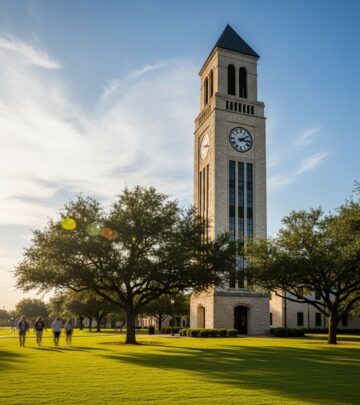
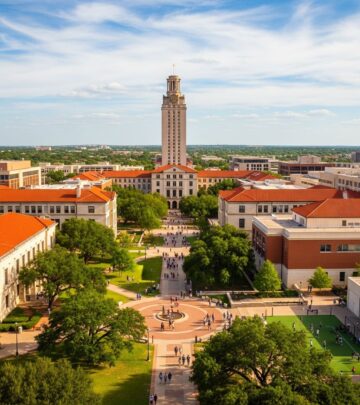
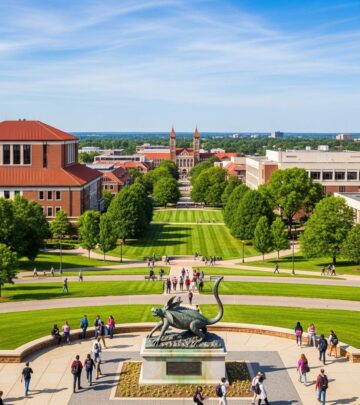
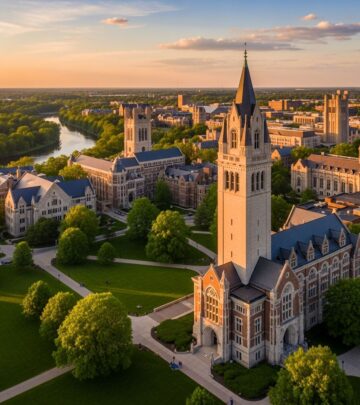
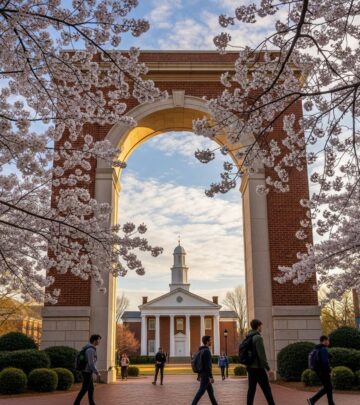
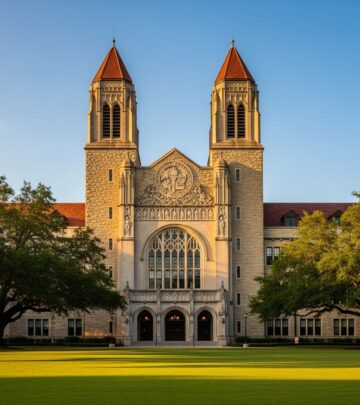
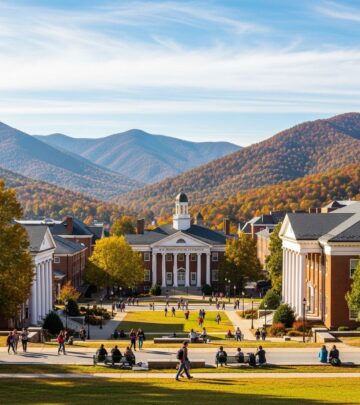
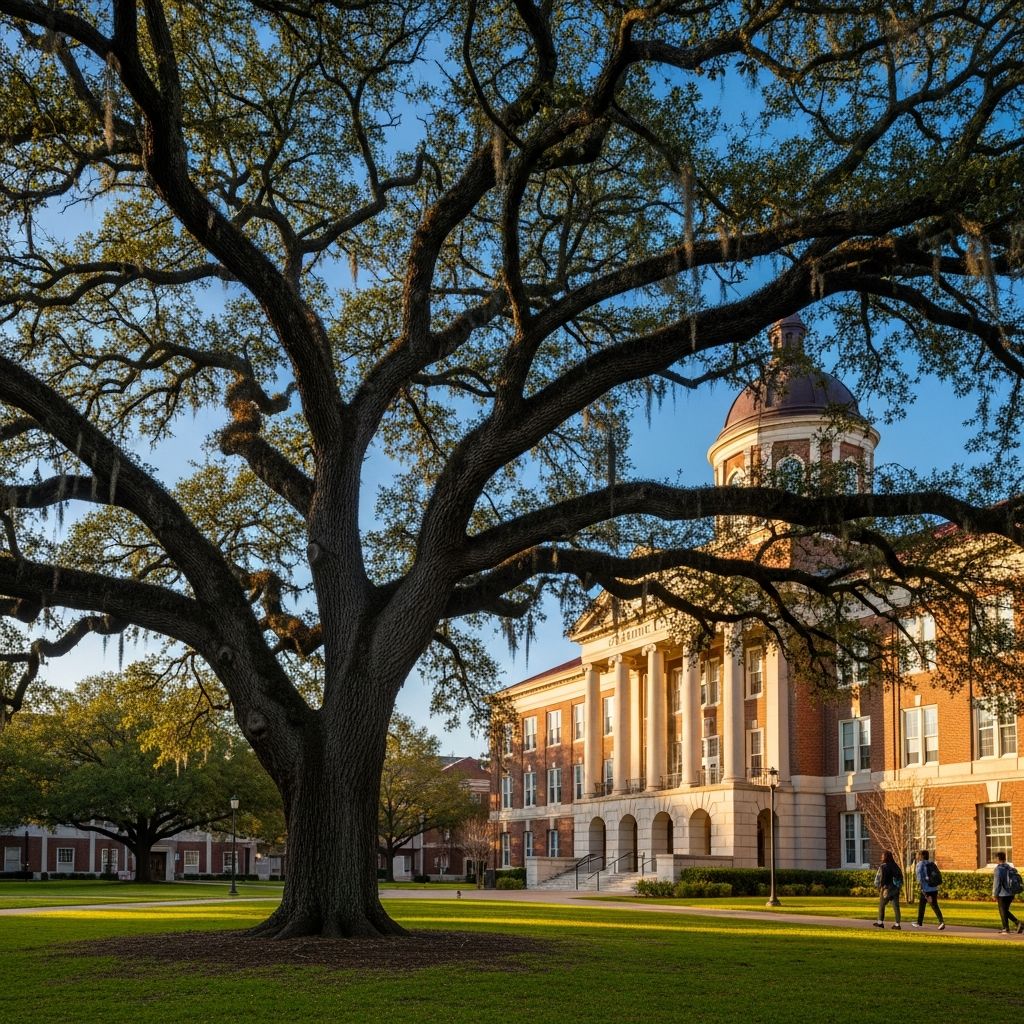
The Texas A&M College Station campus spans nearly eight miles and encompasses 5,200 acres, making it a sprawling academic community with distinct neighborhoods and districts. The campus features a thoughtful blend of historical architecture that reflects the institution’s long heritage and modern facilities designed to support 21st-century learning and research. Students encounter a scenic landscape characterized by large oak trees, lush green spaces, and well-maintained pathways that create an inviting environment for study and recreation.
The physical size of the campus reflects the magnitude of the Texas A&M educational mission. Rather than feeling overwhelming, many students report that this expansiveness contributes to a sense of belonging to something larger than themselves. The campus design encourages exploration and discovery, with landmarks scattered throughout that serve as gathering places and points of orientation for the community.
Life in Aggieland
College Station and Bryan, collectively known as Aggieland, form a vibrant community that extends well beyond the campus boundaries. This dynamic region offers students and faculty members a rich array of cultural, recreational, and employment opportunities. The community provides excellent dining options, diverse shopping venues, live music venues, theaters, museums, and extensive parks—all of which contribute to a fulfilling quality of life. The college town atmosphere combines the intellectual energy of an academic community with the cultural offerings typically found in larger urban centers.
Beyond entertainment and dining, Aggieland provides meaningful engagement opportunities. Texas A&M actively builds relationships with Bryan-College Station and surrounding areas, contributing to their growth and prosperity through educational programs, volunteer work, economic development initiatives, and entrepreneurship support. This mutually beneficial relationship strengthens both the university and the broader community.
Academic Excellence and Research
Research Intensity and Impact
Texas A&M functions as a research-intensive institution that contributes significantly to advancing human knowledge and addressing society’s most pressing challenges. The university system invests nearly $1.6 billion annually in research expenditures, fueling innovation, supporting communities, and driving economic development across Texas and beyond. This substantial research commitment attracts top-tier faculty members and provides students with opportunities to engage in meaningful scholarly work that extends far beyond traditional classroom instruction.
The research mission permeates the educational experience at Texas A&M. Students benefit from instruction delivered by professors who possess deep expertise and practical experience in their fields. These faculty members “love the atmosphere and the students,” creating learning environments where students feel genuinely supported and challenged. Many students report never skipping classes because they “thoroughly enjoy going,” a testament to the quality of instruction and the passion faculty members bring to their teaching.
Academic Programs and Fields of Study
Popular majors at Texas A&M include Liberal Arts and Humanities, Psychology, and Biomedical Sciences and Molecular Medicine, reflecting both traditional academic strengths and emerging fields. Engineering, business, and agriculture programs maintain particular strength and reputation, drawing students who seek to make impacts in these consequential fields. The diversity of academic programs ensures that students can pursue education in virtually any discipline, from conventional career paths to innovative, interdisciplinary combinations.
The university’s commitment to academic excellence is reflected in its graduation rate, with 84% of students completing their degrees. This high completion rate demonstrates the university’s effectiveness in supporting student success from enrollment through degree conferment.
Student Experience and Campus Culture
The Aggie Spirit and Traditions
At the heart of Texas A&M lies a distinctive culture rooted in deep-seated values and cherished traditions that have united students for nearly 150 years. These traditions create a sense of identity and belonging that defines the Aggie experience. Students who participate in these traditions begin to understand what it means to be an Aggie—a concept that extends far beyond their years on campus and often shapes their identities throughout their lives. The loyalty students develop toward their institution creates a vast alumni network that supports career development and maintains lifelong connections.
The traditions cultivated at Texas A&M are not merely ceremonial; they represent core institutional values. The university emphasizes developing well-rounded, moral, and ethical individuals who are “set apart from the rest” and equipped to “excel” in their respective fields. This holistic approach to education recognizes that character development and leadership training are as essential as subject-matter expertise.
Involvement Opportunities and Events
The student experience extends far beyond academics. Texas A&M students can engage with a wide variety of groups and organizations, representing virtually every interest and aspiration. Popular events like Aggie gameday create collective experiences that unite the campus community. Iconic events such as “The Big Event” provide platforms for students to serve the surrounding community, reinforcing the values of service and leadership central to the Aggie mission.
The scale of the institution means that students can find community with others who share their interests while also encountering perspectives different from their own. This combination fosters both deep friendships and intellectual growth.
Campus Safety and Support Services
Student safety is prioritized through comprehensive measures designed to create a secure environment. The campus features well-lit paths, secured dormitories requiring ID access, and services like the Guard Room that provide escorts for students during evening hours. The university uses alert systems such as Code Maroon to notify the campus community of any severe events or suspicious activity. These initiatives work together to create an environment where students generally feel comfortable and safe walking or biking around campus at all hours.
Enrollment and Institutional Scale
Texas A&M is one of the largest public universities in the nation, reflecting its comprehensive mission to serve diverse student populations. The College Station campus enrolls 72,560 students, making it an institution where scale and accessibility coexist. The university’s total enrollment across all campuses, including branch locations in Galveston and Qatar, the Health Science Center, and other affiliated institutions, reaches 79,114 students. This includes 61,442 undergraduate students and 17,672 graduate and professional students.
Despite its substantial size, Texas A&M maintains a reputation as an “open, friendly place to learn and grow” that “runs as a tight-knit family”. Students report that the size of the institution does not diminish personal connections or quality of instruction, but rather creates multiple overlapping communities within the larger whole.
Admissions and Academic Standards
Texas A&M maintains somewhat competitive admissions standards with an acceptance rate of 63%, reflecting the institution’s commitment to maintaining academic quality while remaining accessible to qualified students. The university seeks students who demonstrate both academic capability and potential for contribution to the Aggie community. The competitive admissions process ensures that students admitted to Texas A&M arrive prepared for rigorous coursework and ready to engage with the intellectual culture that characterizes the institution.
Health Sciences and Professional Programs
The Texas A&M Health Science Center, which officially merged with the university in 2013, significantly expanded Texas A&M’s capacity in healthcare education and research. The five health-related colleges—Dentistry, Medicine, Nursing, Public Health, and the Irma Lerma Rangel College of Pharmacy—operate campuses across multiple Texas locations including Bryan/College Station, Dallas, Temple, Houston, Round Rock, Kingsville, and McAllen. This geographic distribution allows Texas A&M to address healthcare workforce needs across the state while providing students with diverse clinical training environments.
Research Infrastructure and State Agencies
Beyond the university proper, the Texas A&M System manages eight state agencies that extend the institution’s impact into specialized areas. The Texas A&M Forest Service, established in 1914, focuses on conserving and protecting the forested areas and resources of Texas. The Texas A&M Veterinary Medical Diagnostic Laboratory, which formally opened in College Station in 1969, provides diagnostic services for the agricultural community. The Texas A&M Engineering Experiment Station, created in 1914, pursues research and technology transfer in engineering fields, while the Texas A&M Engineering Extension Service, established in 1919, develops a highly skilled workforce through technical and vocational training. The Texas A&M Transportation Institute, created in 1950, conducts research related to highways, safety, and transportation.
Frequently Asked Questions
Q: When was Texas A&M University founded and what is its historical significance?
A: Texas A&M University was founded on October 4, 1876, as the Agricultural and Mechanical College of Texas and served as the state’s first public institution of higher learning. It became part of the nation’s land-grant college system established by the Morrill Act of 1862, receiving its university status in 1963.
Q: What makes Texas A&M’s federal designations unique?
A: Texas A&M is one of only 24 institutions nationwide to hold simultaneous land-grant, sea-grant, and space-grant designations. These designations reflect the university’s comprehensive research capabilities and commitment to serving multiple sectors of society and addressing diverse national priorities.
Q: How large is the student body at Texas A&M College Station?
A: The College Station campus has an enrollment of 72,560 students. When including all Texas A&M System campuses and affiliated institutions, total enrollment reaches 79,114 students, comprising 61,442 undergraduates and 17,672 graduate and professional students.
Q: What academic programs are available at Texas A&M?
A: Texas A&M offers over 100 academic programs through its colleges of Agriculture, Architecture, Business Administration, Education, Engineering, Geosciences, Liberal Arts, Medicine, Science, and Veterinary Medicine. Popular majors include Liberal Arts and Humanities, Psychology, and Biomedical Sciences and Molecular Medicine.
Q: What is the acceptance rate at Texas A&M?
A: Texas A&M maintains a 63% acceptance rate, indicating somewhat competitive admissions standards. The university seeks students who demonstrate academic capability and potential for positive contribution to the Aggie community.
Q: What makes Aggie traditions important to the Texas A&M experience?
A: Aggie traditions, cultivated over nearly 150 years, create a distinctive sense of identity and belonging that defines the student experience. These traditions emphasize values of leadership, service, integrity, and community, creating lasting bonds that often extend throughout students’ lives after graduation.
Q: How does Texas A&M ensure campus safety?
A: Texas A&M prioritizes safety through well-lit campus paths, secured dormitories requiring ID access, night escort services, and comprehensive alert systems like Code Maroon. These measures combine to create an environment where students generally feel comfortable and safe at all hours.
Q: What is the Texas A&M graduation rate?
A: Texas A&M has an 84% graduation rate, demonstrating the institution’s effectiveness in supporting student success from enrollment through degree completion.
References
- Campus & Community — Texas A&M University. 2025. https://www.tamu.edu/campus-community/index.html
- Texas A&M University—College Station — The Princeton Review. 2025. https://www.princetonreview.com/college/texas-a-m-university-college-station-1023562
- Texas A&M University Overview — CollegeData. 2025. https://www.collegedata.com/college-search/Texas-A-M-University
- About Texas A&M University — Texas A&M University. 2025. https://www.tamu.edu/about/index.html
- About the Texas A&M University System — Texas A&M System Offices. 2025. https://www.tamus.edu/system/about/
- Texas A&M University — Niche. 2025. https://www.niche.com/colleges/texas-a-and-m-university/
- Texas A&M University Facts — Texas A&M University. 2025. https://www.tamu.edu/about/facts.html
Similar Articles








Read full bio of medha deb