Termite Damage and Home Insurance Coverage
Discover why standard home insurance rarely covers termite destruction and explore effective alternatives for protecting your property from these silent invaders.
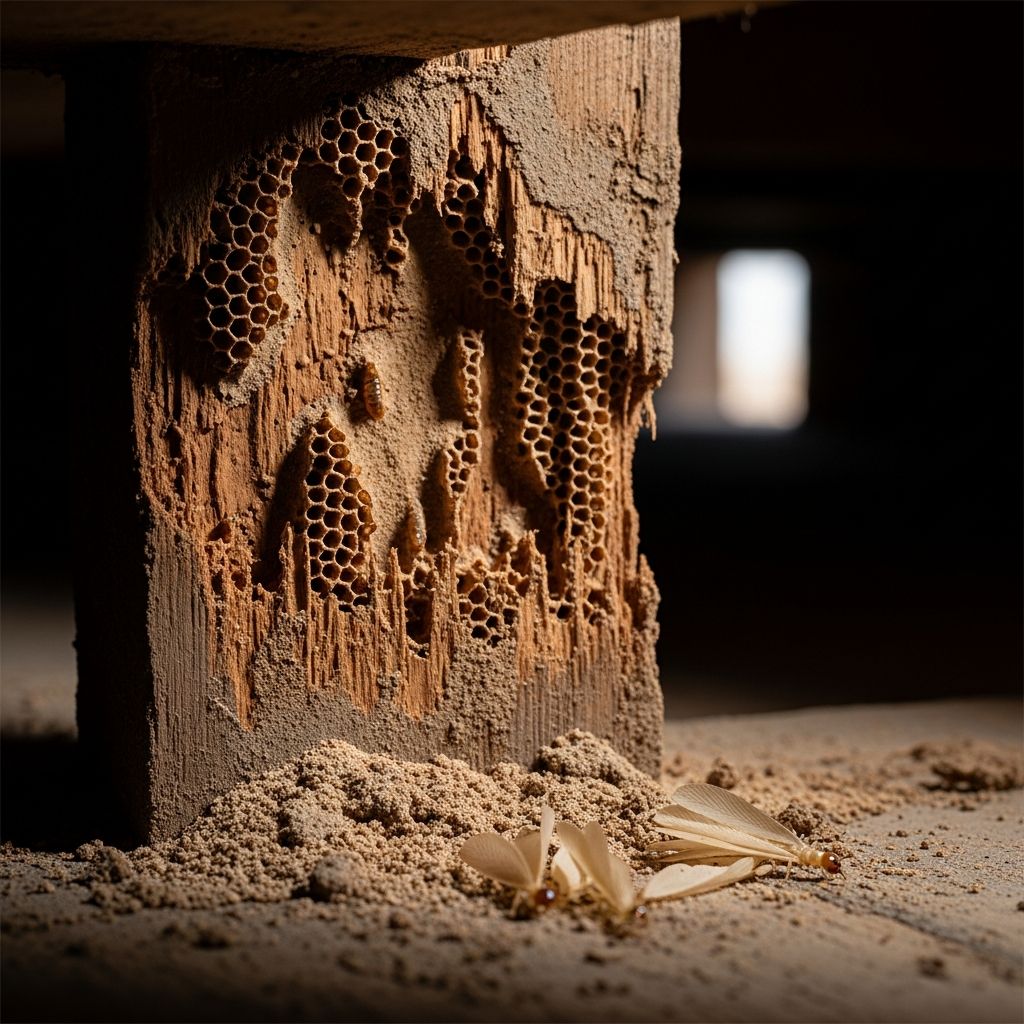
Standard homeowners insurance policies across the United States do not cover damage caused by termites, classifying it as a preventable issue stemming from routine home maintenance rather than a sudden, accidental event. Termites inflict billions in annual damages, affecting hundreds of thousands of properties, yet insurers view infestations as avoidable through vigilance and upkeep. This exclusion applies universally to most policies, leaving homeowners to bear the financial burden unless specific rare conditions are met.
The Hidden Threat of Termites to Your Property
Termites operate silently, often evading detection until substantial structural harm occurs. These wood-destroying insects thrive in nearly every state except Alaska, with subterranean and drywood varieties responsible for the majority of destruction. A single colony can house millions of termites, gnawing through foundational beams, walls, floors, and even electrical wiring over time. The National Pest Management Association estimates that termites cause over $5 billion in property damage yearly in the U.S., underscoring their pervasive risk.
Early signs include mud tubes along foundations, discarded wings near windows, or hollow-sounding wood when tapped. By the time sagging floors or bubbling paint appear, repairs can escalate into tens of thousands of dollars. Homeowners must prioritize proactive measures, as insurance offers no safety net for gradual deterioration.
Why Home Insurance Excludes Termite Infestations
Homeowners policies protect against unforeseen perils like storms, fires, or theft, but explicitly exclude pests and insects under ‘wear and tear’ or ‘maintenance’ clauses. Insurers argue that termite problems arise from neglect, such as poor ventilation, excess moisture, or unchecked wood-to-soil contact—issues resolvable through basic property care. Unlike sudden events, termite activity unfolds progressively, disqualifying it from coverage.
This stance holds for renters and condo insurance too, where structural elements fall under landlord or association responsibilities, but personal contents remain unprotected from pest damage. Policyholders discovering infestations cannot expect reimbursement for extermination or repairs without invoking exceptional scenarios.
Rare Instances When Coverage Might Apply
While direct termite damage stays uncovered, policies may respond if the infestation triggers a named peril. For instance:
- If termites compromise wiring, sparking a fire, insurers cover fire-related losses, though proximate cause determinations by adjusters can complicate claims.
- Sudden, total structural collapse from undetected termite weakening could qualify for rebuilding costs, provided the homeowner proves ignorance of the issue.
These exceptions demand thorough documentation and policy review. Awareness of termites voids claims, emphasizing the need for immediate action upon suspicion. Always consult your declarations page or agent to confirm peril definitions.
Alternatives: Termite Bonds and Warranties Explained
Since traditional insurance falls short, termite bonds—service contracts from licensed pest control firms—provide targeted protection. These agreements typically include:
- Initial comprehensive treatment to eradicate active colonies.
- Annual or semi-annual inspections for reinfestation.
- Retreatment coverage, often unlimited, for up to a year or more.
- Limited repair reimbursements for new damage, capped by contract terms (e.g., $100,000 max).
Costs range from $500 to $2,500 upfront, with annual renewals at $100–$300, varying by home size, location, and provider. Unlike insurance, bonds focus solely on termites, offering peace of mind in high-risk areas like the Southeast or coastal regions. Shop multiple quotes and verify licensing through state pest boards.
Effective Strategies for Termite Prevention
Prevention trumps remediation, slashing risks and costs. Key tactics include:
- Moisture management: Fix leaks, ensure gutters direct water away, and use dehumidifiers in crawlspaces.
- Structural barriers: Maintain 18-inch ground clearance for wood elements; install metal shields or treated lumber.
- Landscaping vigilance: Remove dead trees, stumps, and mulch piles near foundations.
- Professional inspections: Schedule every 1–2 years, especially pre-purchase or in termite-prone zones.
Bait stations and liquid treatments create chemical perimeters, while natural repellents like orange oil suit minor cases. Combine methods for layered defense.
Costs Associated with Termite Damage and Treatment
| Type of Service | Average Cost Range | Details |
|---|---|---|
| Spot Treatment | $500–$1,500 | Addresses localized infestations; no ongoing monitoring. |
| Full House Treatment | $1,200–$2,500 | Subterranean or drywood protocols; includes drilling and baiting. |
| Termite Bond (1-Year) | $500–$2,500 initial + $100–$300 annual | Inspection, retreatment, limited repairs. |
| Repairs (Minor Structural) | $500–$5,000 | Beams, joists; escalates with severity. |
| Major Reconstruction | $10,000–$100,000+ | Foundation or full rebuild post-collapse. |
These figures, drawn from industry averages, highlight why early intervention pays off. Regional factors like soil type influence pricing.
Navigating Claims and Legal Recourse
Filing a termite claim typically results in denial, but document everything: photos, inspection reports, timelines. If a prior pest service failed, negligence lawsuits may recover costs via breach of contract. Home sales often require termite clearances, with sellers liable for undisclosed issues under disclosure laws.
For disputed claims, appeal with expert entomologist reports proving suddenness. However, success rates remain low without clear peril linkage.
FAQ: Common Questions on Termite Coverage
Does condo or renters insurance cover termites?
No, these policies mirror homeowners exclusions, focusing on contents rather than building pests.
Are carpenter ants treated like termites?
Yes, their damage falls under maintenance, uncovered by insurance.
How often should I inspect for termites?
Annually in low-risk areas; biannually in high-risk zones like humid South.
Can I add termite riders to my policy?
Rarely; insurers don’t offer them, directing to pest bonds instead.
What if termites damage during a covered event?
Coverage applies only to the peril (e.g., flood weakening allowing termites), not pests themselves.
Regional Variations and High-Risk Areas
Termite prevalence spikes in warm, humid climates: Florida, Louisiana, Texas, Georgia, and California lead claims. Local building codes may mandate treatments in sales. Northern states face less risk but imported infestations occur via furniture.
Climate change expands ranges northward, per USDA data, urging nationwide preparedness.
References
- Does Homeowners Insurance Cover Termite Damage? — Bankrate. 2023-10-15. https://www.bankrate.com/insurance/homeowners-insurance/does-homeowners-insurance-cover-termite-damage/
- Does Homeowners Insurance Cover Termite Damage? — SoFi. 2024-02-20. https://www.sofi.com/learn/content/does-homeowners-insurance-cover-termite-damage/
- Does Homeowners Insurance Cover Termite Damage? — Termite Tom. 2023-08-10. https://termitetom.com/blog/does-homeowners-insurance-cover-termite-damage/
- Is Termite Damage Covered by Home Insurance? — AAA. 2024-01-05. https://www.ace.aaa.com/insurance/advocacy/termite-damage-home-insurance.html
- Does Home Insurance Cover Termite Damage? — Allstate. 2023-11-12. https://www.allstate.com/resources/home-insurance/termites-and-your-home
Similar Articles








Read full bio of medha deb