Tenancy in Common: Co-Ownership Explained
Understanding tenancy in common: A flexible guide to shared property ownership and co-tenancy arrangements.
What Is Tenancy in Common?
Tenancy in common, often abbreviated as TIC, is a legal arrangement that allows two or more individuals to own shares in the same property simultaneously. Unlike some other forms of property ownership, tenancy in common does not require the owners to be married, related, or have any specific relationship to one another. This ownership structure has become increasingly popular among friends, business partners, and family members seeking flexible co-ownership arrangements.
In a tenancy in common arrangement, each owner holds what is known as an “undivided interest” in the property. This means that while each person has a specific ownership percentage, every owner has the right to use and access the entire property, not just their designated portion. The property cannot be physically divided based on ownership percentages; instead, all owners share equal rights to the full property regardless of their individual stake.
Key Characteristics of Tenancy in Common
Tenancy in common is distinguished by several defining features that set it apart from other property ownership structures:
Unequal Ownership Shares
One of the most significant characteristics of tenancy in common is the flexibility it provides regarding ownership percentages. Unlike joint tenancy, where all owners must hold equal shares, tenancy in common allows property owners to maintain any percentage split they agree upon. One owner could hold 60 percent while another holds 40 percent, or the shares could be divided into any combination that the parties negotiate. This flexibility makes tenancy in common ideal for situations where owners contribute different amounts toward the purchase or want different levels of ownership stake.
Separate Property Interests
Each tenant in common maintains a separate and distinct property interest. This means that each owner’s share is treated as individual property under the law. Consequently, each owner can encumber their share with debt, such as taking out a mortgage or loan against their ownership stake. One owner’s creditors can potentially place a lien against that specific owner’s share, but this does not affect the other owners’ interests in the property.
No Right of Survivorship
A critical distinction between tenancy in common and other ownership arrangements is the absence of survivorship rights. In tenancy in common, if one owner dies, their share does not automatically transfer to the surviving co-owners. Instead, the deceased owner’s share passes to their designated heirs or beneficiaries as determined by their will or the state’s intestacy laws. This feature makes tenancy in common particularly valuable for individuals who want to ensure their property share benefits their chosen heirs rather than their co-owners.
Independent Transfer Rights
Each tenant in common retains the right to sell, gift, or transfer their individual ownership share without obtaining permission from other co-owners. An owner can sell their share to a third party at any time, and the new owner would then become a tenant in common with the remaining owners. This independence is a key advantage that distinguishes tenancy in common from joint tenancy, where such transfers typically require all parties’ consent and can disrupt the joint tenancy arrangement.
How Tenancy in Common Works
The mechanics of tenancy in common are relatively straightforward. When two or more parties purchase property together and take title as “tenants in common,” the deed and title clearly specify the ownership percentage each party holds. The property deed serves as the foundational document outlining each owner’s interest and any conditions agreed upon by the parties.
Consider a practical example: Two friends purchase a lake house for $400,000. One contributes $150,000 while the other contributes $250,000. These contributions establish their ownership percentages—37.5 percent and 62.5 percent respectively. Despite these different ownership stakes, both friends have equal rights to use and enjoy the entire property. Neither friend owns a specific physical portion of the house; rather, each owns a percentage of the whole property.
Because each owner’s share is separate and independent, the property can become more complex over time. For instance, if one owner sells their share to a third party, that third party becomes a tenant in common with the remaining owner, and the ownership percentages may shift accordingly. Similarly, if an owner’s share passes to an heir upon their death, that heir automatically becomes a tenant in common with the other surviving owners, even if those other owners did not approve of or know the heir.
Tenancy in Common vs. Other Ownership Structures
Tenancy in Common vs. Joint Tenancy
Tenancy in common and joint tenancy are often confused, but they represent distinct ownership arrangements with significant legal differences.
| Feature | Tenancy in Common | Joint Tenancy |
|---|---|---|
| Ownership Shares | Can be unequal | Must be equal |
| Right of Survivorship | No—share passes to heirs | Yes—automatic transfer to survivor |
| Transfer Rights | Can transfer share independently | Transfer requires all parties’ consent |
| Timing of Purchase | Flexible—can acquire at different times | Must acquire simultaneously |
| Deed Requirements | Separate deeds possible | Single deed with all parties |
Joint tenancy is characterized by equal ownership shares that automatically transfer to surviving co-owners upon an owner’s death. This arrangement requires that all parties acquire the property at the same time using the same deed. While joint tenancy can simplify estate planning in certain situations, its rigid structure makes it less flexible for owners with different financial contributions or estate planning goals.
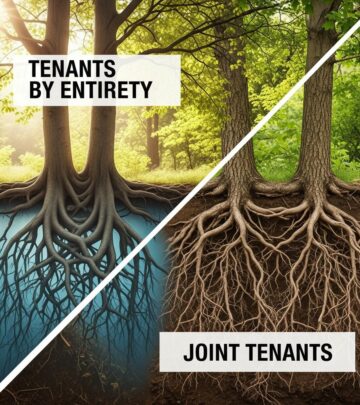
Tenancy in Common vs. Tenancy by the Entirety
Tenancy by the entirety is another ownership structure available exclusively to married couples. Similar to joint tenancy, it includes a right of survivorship and requires equal ownership. However, tenancy by the entirety provides additional protection because neither spouse can transfer their share without the other spouse’s consent. This structure is not available to unmarried individuals or unrelated co-owners.
Advantages of Tenancy in Common
Tenancy in common offers numerous benefits that make it an attractive option for many property owners:
Flexibility in Ownership Structure
The most significant advantage of tenancy in common is the flexibility it provides. Owners can establish any ownership percentage arrangement they prefer, reflecting their actual financial contributions or agreed-upon interests. This flexibility extends to creation and modification—a tenancy in common agreement can be created at any time, unlike some other ownership structures that must be established at the time of purchase.
Independent Control and Transfer Rights
Each owner maintains independent control over their individual share. An owner can sell, gift, mortgage, or bequeath their share without needing approval from co-owners. This independence is particularly valuable for investors or individuals whose circumstances may change over time.
Effective Estate Planning
Tenancy in common eliminates forced inheritance scenarios. When an owner dies, their share passes to their designated beneficiaries or heirs rather than automatically transferring to co-owners. This allows each owner to direct their property share according to their personal wishes and family circumstances.
Suitable for Diverse Relationships
Unlike some ownership structures that favor married couples, tenancy in common works well for any combination of owners—friends, business partners, family members, or even strangers. This versatility makes it ideal for non-traditional ownership situations.
Disadvantages of Tenancy in Common
While tenancy in common offers significant advantages, it also presents certain challenges and complications:
Complexity in Estate Settlement
When a tenant in common dies, their share must pass through probate, which can be time-consuming and expensive. This process may delay distribution to heirs and incur legal fees and court costs.
Potential for Disagreements
Multiple owners with separate interests can lead to disputes regarding property maintenance, improvements, or decisions about selling. Without clear agreements in place, conflicts can escalate and prove difficult to resolve.
Creditor Liability Issues
One owner’s creditors can place liens against that specific owner’s share, potentially complicating the property’s status. While this doesn’t directly affect other owners’ shares, it can create complications if the property needs to be sold or refinanced.
Mortgage and Financing Challenges
Lenders may be reluctant to finance tenancy in common arrangements because of the complexity they introduce. Each owner’s separate share can be encumbered independently, creating complications if the property becomes subject to multiple mortgages or liens.
When to Use Tenancy in Common
Tenancy in common is particularly advantageous in specific situations:
Unequal Financial Contributions
When co-buyers contribute different amounts toward a property purchase, tenancy in common allows their ownership percentages to reflect these differences accurately. This approach simplifies future financial settlements if the property is sold or if the partnership dissolves.
Non-Traditional Partnerships
Friends, business associates, or unrelated individuals who want to own property together can utilize tenancy in common to protect each party’s stake. This structure ensures that each owner’s heirs receive their designated share rather than having it pass to co-owners.
Estate Planning with Multiple Heirs
Individuals who want to direct their property share to specific heirs rather than co-owners benefit significantly from tenancy in common. This arrangement is particularly valuable for blended families or situations where owners have different beneficiary preferences.
Investment Properties
Real estate investors often use tenancy in common for investment properties, especially when multiple investors contribute different amounts. The flexibility in ownership percentages and transfer rights accommodates various investment scenarios.
Frequently Asked Questions
Q: What happens if a tenant in common wants to exit the arrangement?
A: A tenant in common can exit at any time by selling their share to another party or gifting it to someone else. The new owner then becomes a tenant in common with the remaining owners. Alternatively, an owner can attempt to buy out other owners’ shares or negotiate a sale of the entire property.
Q: Can tenancy in common be converted to another ownership structure?
A: Yes, tenancy in common can be changed to joint tenancy or other structures through deed modification, though this typically requires all owners’ consent and may involve legal proceedings. The specific process varies by state and jurisdiction.
Q: Are tenants in common responsible for each other’s debts?
A: No, each tenant in common is responsible only for their own debts. A co-owner’s creditor cannot pursue other owners’ personal assets, though they can place a lien against that specific owner’s share of the property.
Q: Do all tenants in common need to agree on property sales or major decisions?
A: Generally, if one owner wants to sell their individual share, they can do so independently. However, if all owners want to sell the entire property, unanimity is typically required. For major decisions affecting the property, agreement may depend on the terms established in the tenancy agreement.
Q: How is property maintenance and expense sharing handled in tenancy in common?
A: Maintenance and expense responsibility should be clearly outlined in the co-ownership agreement. Typically, all owners share maintenance costs proportionally to their ownership percentage, though the specific arrangement depends on what the owners negotiate.
Conclusion
Tenancy in common represents a flexible and practical approach to property co-ownership that accommodates diverse circumstances and relationships. Its defining features—unequal ownership shares, lack of survivorship rights, and independent transfer rights—make it particularly suitable for situations where traditional ownership structures may not fit. Whether you’re investing in real estate with friends, managing a family property, or establishing clear ownership for business purposes, understanding tenancy in common helps ensure your arrangement protects your interests and aligns with your long-term goals. Consulting with a qualified real estate attorney before establishing a tenancy in common arrangement can help clarify your specific situation and ensure all legal requirements are properly met.
References
- Tenancy in Common vs Joint Tenancy: Understanding Property Ownership — Trust & Will. 2024. https://trustandwill.com/learn/tenancy-in-common-vs-joint-tenancy
- Tenancy In Common: What It Is And How It Works — Bankrate. 2024. https://www.bankrate.com/real-estate/what-is-tenancy-in-common/
- Tenants in Common: Definition and Explanation — SmartAsset. 2024. https://smartasset.com/estate-planning/tenants-in-common
- Joint Tenancy vs. Tenants in Common: What’s the Difference? — LegalZoom. 2024. https://www.legalzoom.com/articles/joint-tenancy-vs-tenants-in-common
- Tenancy in Common (TIC): What Is It and How Does It Work? — Rocket Mortgage. 2024. https://www.rocketmortgage.com/learn/tenancy-in-common
Similar Articles








Read full bio of medha deb