Temporary Car Insurance: What Are Your Options?
Explore flexible short-term car insurance alternatives for your temporary driving needs.
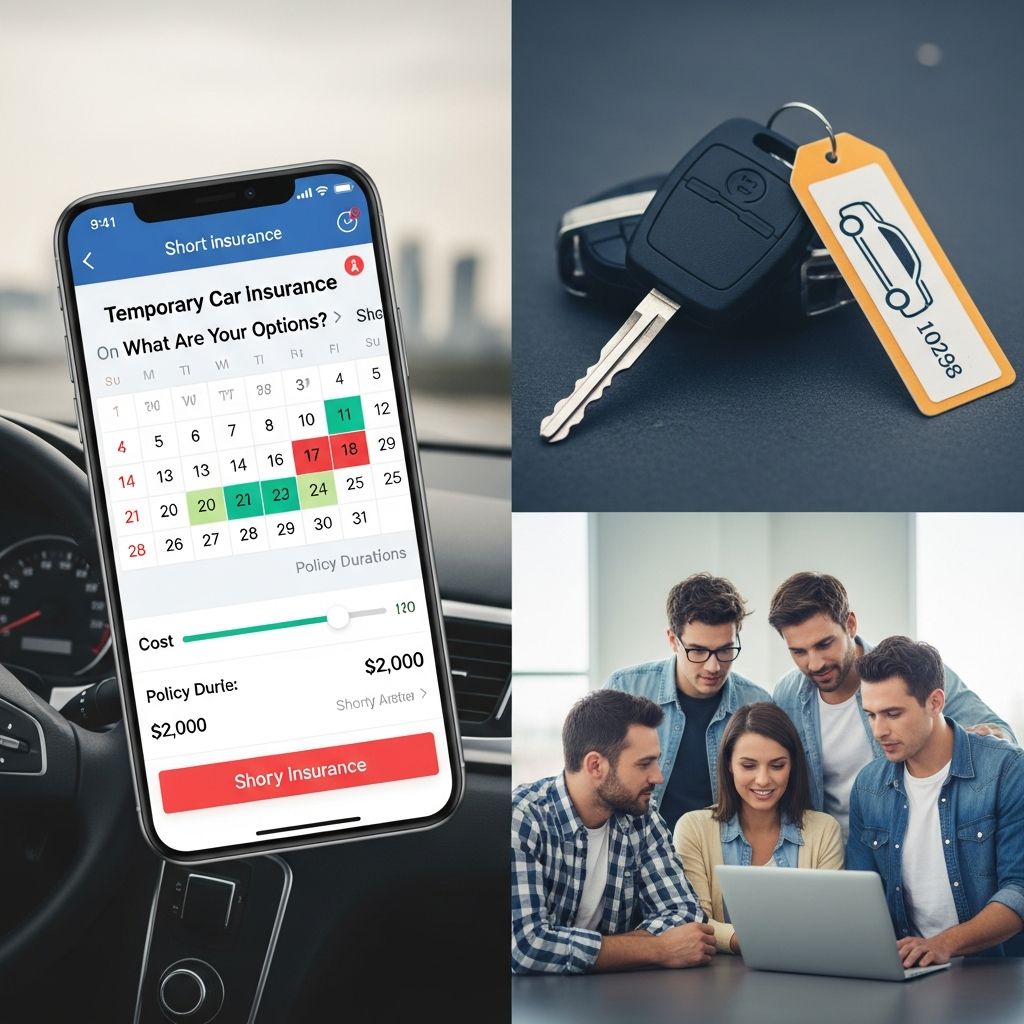
When you need car insurance for only a short period, traditional six or twelve-month policies may seem like overkill. Whether you’re borrowing a friend’s vehicle, renting a car for a road trip, or driving seasonally, understanding your temporary car insurance options can help you stay protected without overpaying for coverage you don’t need. The reality is that true temporary car insurance policies are rarely offered by major insurers in the United States, but several practical alternatives exist that can provide the protection you need for your specific situation.
Understanding Temporary Car Insurance
Temporary car insurance, also known as short-term car insurance, is a type of coverage designed to protect you and your vehicle from damage and liability for a specified period. Unlike traditional policies that require six or twelve-month commitments, temporary car insurance typically ranges from one day to several months in duration. This flexible approach is designed for situations where a standard long-term policy would be unnecessary or excessive.
The primary purpose of temporary car insurance is to provide drivers with peace of mind and financial protection in case of accidents or other unforeseen events without requiring a lengthy commitment. However, it’s important to note that while the term “temporary car insurance” is commonly used, most major insurers don’t actually offer standalone policies with durations shorter than six months.
The Reality of Short-Term Car Insurance in the Market
One of the first things to understand about temporary car insurance is that it doesn’t exist as a standard product from major insurers. Instead, what’s typically referred to as temporary or short-term car insurance involves working with the options that insurance companies do offer or exploring alternative solutions.
Most traditional auto insurance policies come in six-month or twelve-month terms. However, you typically have the flexibility to cancel these policies early, though you may face a cancellation fee. The good news is that you generally won’t be charged for the remaining months after you cancel, making this a viable option if your needs change.
Some insurers may advertise temporary policies with shorter terms, but these often come with limitations and higher per-month costs. According to industry data, temporary policies can run as high as $200 per month and often have 30-day minimums, even if you only need coverage for a single day or week.
Primary Temporary Car Insurance Options
Non-Owner Car Insurance
One of the most practical alternatives for temporary car insurance is non-owner car insurance, which is designed for drivers who occasionally need to drive vehicles they don’t own. This type of policy is ideal if you frequently borrow cars from friends or family members but don’t own a vehicle yourself.
Non-owner insurance provides liability coverage, which protects you financially if you’re at fault in an accident. This is particularly valuable as liability coverage is legally required in most states. Beyond the basic liability protection, many non-owner policies also offer optional coverages including medical payments, personal injury protection, and uninsured motorist coverage.
Several advantages make non-owner insurance appealing for temporary needs. First, it’s generally less expensive than standard car insurance. Second, you can usually purchase non-owner coverage in six or twelve-month increments and cancel it whenever you want, avoiding payments for coverage you no longer need. Third, it helps maintain continuous insurance coverage, which can lead to lower premiums in the future. Companies that offer non-owner insurance include Allstate, Elephant, and Geico.
Rental Car Insurance
If you’re renting a vehicle, rental car insurance is a convenient option offered directly by rental companies. This is particularly useful for travelers or anyone planning a temporary driving situation.
When renting a car, you typically have several coverage options to choose from, including liability, collision damage waivers, and personal injury coverage. Additionally, some credit card companies include rental car insurance as a cardholder benefit, which can save you money if you qualify. Before purchasing rental car insurance from the rental company, check your credit card benefits and your existing auto insurance policy to understand what coverage you may already have.
Temporary Addition to an Existing Policy
If you’re borrowing a friend or family member’s car, one of the simplest and most comprehensive options may be for the vehicle owner to add you temporarily to their insurance policy. This approach ensures you’re covered under a full auto insurance policy with complete protection.
When added to someone else’s policy, you typically receive coverage for liability, collision, and comprehensive protection, depending on the level of coverage maintained on the vehicle. This option is often more affordable than purchasing separate coverage and provides the most comprehensive protection available. Once your temporary driving situation ends, you can be removed from the policy.
Standard Policy with Early Cancellation
Another practical approach to obtaining temporary car insurance is purchasing a standard six-month policy and canceling it when you no longer need coverage. If you own your vehicle and only need to drive it temporarily, this can be an effective solution.
With this strategy, you purchase a standard auto insurance policy at the normal rate, then cancel it after a couple of months if you sell your car or finish your temporary driving needs. You won’t be charged for the remaining months after cancellation, though you may incur a cancellation fee.
Situations Where Temporary Car Insurance Applies
Understanding when you might need temporary car insurance helps you determine which option is best for your situation. Common scenarios include:
College students who only drive during summer break or other breaks from school can benefit from temporary coverage during these specific periods.
Seasonal vehicle owners who own cars used only during certain times of year, such as convertibles driven only in summer or recreational vehicles, can adjust their coverage accordingly.
Visiting travelers who are visiting a location and want or need access to a car can obtain coverage specific to their visit duration.
Family borrowers who will be staying with a family member or friend and need to borrow their car can arrange temporary coverage through the vehicle owner’s policy or non-owner insurance.
International visitors who live abroad but will be driving while visiting the United States need coverage that meets U.S. insurance requirements.
Short-term vehicle owners who bought a car that they’re planning to resell soon can avoid lengthy policy commitments.
Stored vehicles that are parked for extended periods may qualify for comprehensive-only coverage. For cars stored without being driven for over 30 days, some insurance companies provide comprehensive coverage for animal damage, theft, vandalism, fire, and weather, though this coverage doesn’t meet minimum insurance requirements in most states.
Coverage Options to Consider
When selecting temporary car insurance, it’s important to understand the coverage options available. The main types of coverage include:
Liability coverage is required by law in most states and covers property damage and injuries to other people if you’re at fault in an accident. This is the most basic and essential coverage.
Collision coverage covers damage to your vehicle resulting from a collision with another vehicle or object. This is optional but recommended if you’re driving a newer or financed vehicle.
Comprehensive coverage protects against non-collision damage such as theft, vandalism, weather, and animal damage. This is also optional but valuable depending on your situation and the vehicle’s value.
When comparing quotes from different insurance companies, look for policies that offer the level of coverage you need for your specific situation and duration requirements.
Cost Considerations for Temporary Coverage
Understanding the costs associated with temporary car insurance can help you make an informed decision. The average cost of one-month temporary car insurance is approximately $113 when you cancel a six-month policy early and receive a prorated refund.
However, costs can vary significantly based on several factors including the type of coverage selected, your driving record, age, and location. Temporary policies offered directly by some companies can be considerably more expensive, running as high as $200 per month. These policies often come with minimum requirements of 30 days even if you need coverage for shorter periods.
To find the best rate for your temporary insurance needs, it’s essential to compare quotes from different insurance companies. When comparing costs, consider whether you’re better served by purchasing a standard policy and canceling early or selecting a non-owner or rental car insurance option, as costs can vary considerably depending on your specific situation.
Factors to Evaluate When Choosing Temporary Car Insurance
Selecting the right temporary car insurance option requires evaluating several important factors:
Coverage needs: Determine the level of coverage you need based on your situation. Borrowing someone’s expensive car might require comprehensive coverage, while driving a beater borrowed from a friend might only need liability.
Duration of coverage: Choose a policy or option that offers the desired duration, whether it’s a day, a week, a month, or longer. This directly impacts both the practicality and cost of your solution.
Price comparison: Always compare quotes from different insurance companies to find the best rate for your specific needs and situation.
Insurance company reputation: Research the insurance company’s reputation, financial stability, and customer service quality, as these factors affect your experience if you need to file a claim.
Flexibility and cancellation policies: Verify whether the policy can be canceled without excessive fees and whether you’ll receive refunds for unused coverage periods.
Advantages and Disadvantages of Temporary Coverage
| Advantage | Disadvantage |
|---|---|
| Flexibility in coverage duration | Limited availability from major insurers |
| Lower costs than annual policies | May not be renewable |
| No long-term commitment required | Higher per-month basis rates possible |
| Maintains continuous coverage for future discounts | Possible cancellation fees |
| Multiple options available | Limited coverage options in some cases |
Tips for Finding the Right Temporary Insurance Solution
To find the best temporary car insurance option for your needs, consider these practical tips:
Assess your actual needs: Honestly evaluate what coverage you actually need based on your situation. Borrowing an expensive car requires different coverage than renting a basic vehicle.
Check existing coverage: Review your current auto insurance policy or the policy of the vehicle owner to understand what coverage may already apply to your situation.
Call your current insurer: If you have an existing policy, ask about short-term options or the ability to adjust coverage temporarily.
Compare multiple quotes: Don’t settle for the first quote. Contact multiple insurance companies to compare rates and coverage options.
Ask about discounts: Inquire about discounts that might apply to temporary policies, such as bundling discounts or low-mileage discounts.
Review cancellation policies: Ensure you understand the cancellation terms and any associated fees before purchasing.
Frequently Asked Questions About Temporary Car Insurance
Q: Does true temporary car insurance exist?
A: True standalone temporary car insurance policies with durations shorter than six months are rarely offered by major insurers in the United States. However, several alternatives exist including non-owner insurance, rental car insurance, adding yourself to someone else’s policy, or purchasing a standard policy and canceling early.
Q: What is the cheapest temporary car insurance option?
A: Non-owner car insurance is generally the most affordable temporary option and typically costs less than standard car insurance. You can purchase it in six or twelve-month increments and cancel anytime.
Q: Can I cancel my car insurance policy early?
A: Yes, you can typically cancel your car insurance policy at any time, though you may face a cancellation fee. You generally won’t be charged for the remaining months after you cancel.
Q: Is someone covered when driving my car?
A: In most cases, when someone borrows your car with permission, they’re covered under your auto insurance policy. However, it’s best to check with your insurer and consider having the borrower added to your policy for clarity and to ensure adequate coverage.
Q: How long does temporary car insurance typically last?
A: Temporary car insurance can range from one day to several months, depending on the option you choose. Most standard policies last six or twelve months, but you can cancel early when your needs end.
Q: What does non-owner car insurance cover?
A: Non-owner car insurance primarily provides liability coverage, protecting you if you’re at fault in an accident. Some policies also offer optional medical payments, personal injury protection, and uninsured motorist coverage.
Q: Am I required to have rental car insurance?
A: Rental car insurance is optional, but you’re legally required to have liability coverage. Check if your personal auto insurance policy or credit card provides rental car coverage before purchasing from the rental company.
Q: How much does temporary car insurance cost monthly?
A: The average cost of one-month temporary car insurance is approximately $113 when canceling a six-month policy early. However, costs vary based on coverage type, driving record, age, and location, with some policies running as high as $200 per month.
Conclusion
While true temporary car insurance policies are rarely available from major insurers, several practical alternatives can provide the protection you need for short-term driving situations. Whether you opt for non-owner insurance, rely on rental car coverage, arrange to be added to someone else’s policy, or purchase a standard policy with early cancellation, you have viable options that offer valuable protection without requiring lengthy commitments.
The key is to assess your specific situation, compare available options and quotes, and select the solution that best meets your coverage needs and budget. By understanding these temporary car insurance alternatives, you can stay legally compliant and financially protected without overpaying for coverage you don’t need, ensuring peace of mind for your temporary driving situation.
References
- Temporary Car Insurance Options That Actually Work — SelectQuote. 2024. https://www.selectquote.com/auto-and-home-insurance/articles/temporary-car-insurance
- Can I Buy Temporary Car Insurance? — Progressive. 2024. https://www.progressive.com/answers/temporary-car-insurance/
- Temporary Car Insurance: How to Find Short-Term Coverage — NerdWallet. 2024. https://www.nerdwallet.com/insurance/auto/learn/temporary-car-insurance
- Temporary Car Insurance in New York — Bankrate. 2024. https://www.bankrate.com/insurance/car/temporary-car-insurance-new-york/
- What Is Short-Term Car Insurance? — Experian. 2024. https://www.experian.com/blogs/ask-experian/what-is-short-term-car-insurance/
- Short Term Car Insurance: What if You Need it Temporarily? — Elephant. 2024. https://www.elephant.com/blog/what-if-you-need-short-term-car-insurance
- Month-to-Month Car Insurance: Best Temporary Short Term — MoneyGeek. 2024. https://www.moneygeek.com/insurance/auto/month-to-month-car-insurance/
Similar Articles








Read full bio of medha deb