Using Telematics Apps to Reduce Auto Insurance Premiums
Discover how monitoring your driving habits can unlock significant insurance savings
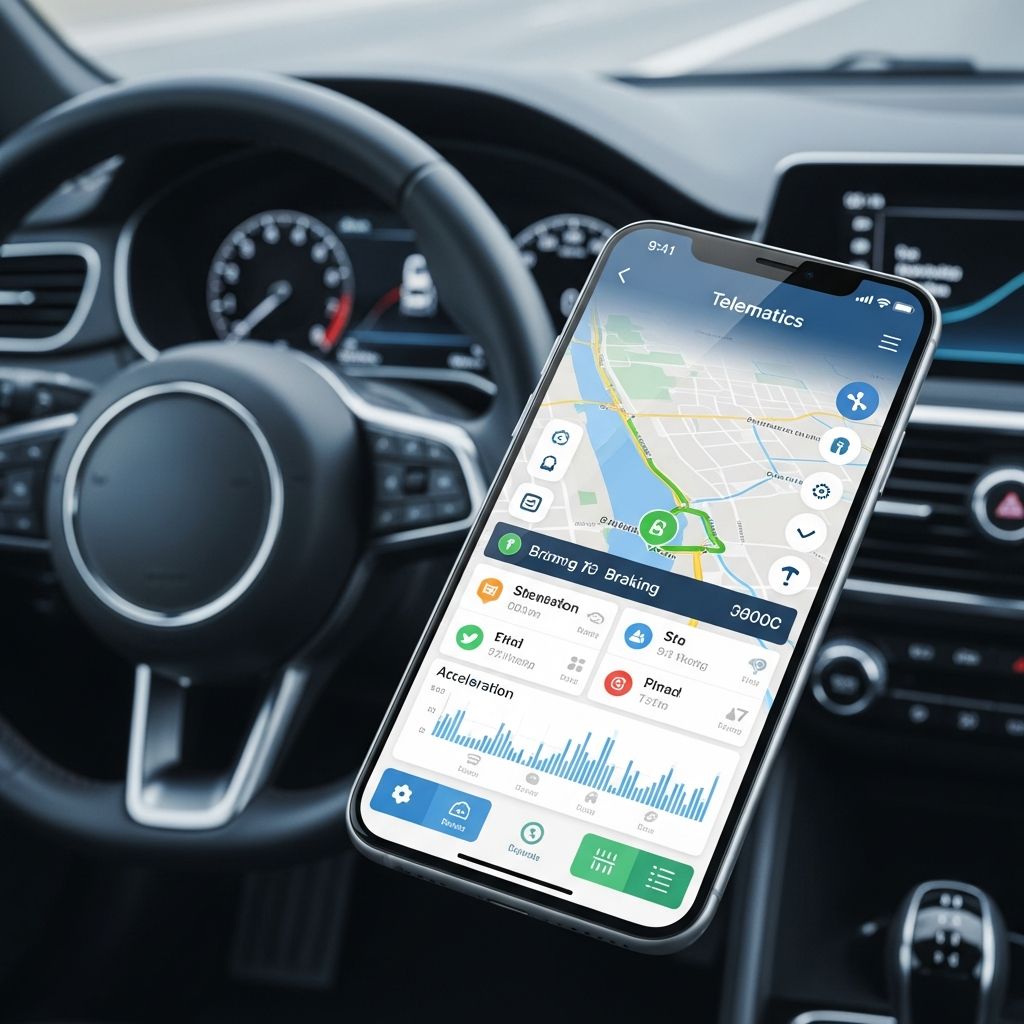
The landscape of auto insurance has shifted dramatically with the introduction of driving monitoring applications. Rather than relying solely on your driving history and demographic factors, many insurance carriers now offer programs that track your actual driving behaviors in real time. These telematics-based platforms can provide meaningful financial incentives for responsible driving habits. Understanding how these systems work, what they measure, and how much you might save can help you make informed decisions about your insurance strategy.
Understanding How Driving Monitoring Programs Function
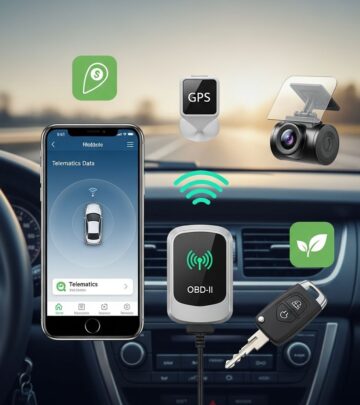
Insurance companies have developed sophisticated applications that integrate with your smartphone or vehicle to collect detailed information about your driving patterns. These apps measure various aspects of your behavior behind the wheel, including acceleration patterns, braking intensity, phone usage while driving, and time-of-day driving habits. The collected data is analyzed over a monitoring period—typically ranging from 60 to 90 days—before the insurer applies discounts based on the results. This approach shifts the traditional insurance model from static risk assessment to dynamic, behavior-based pricing.
The technology underlying these programs relies on your phone’s sensors and GPS capabilities to create a comprehensive profile of your driving style. Different insurers emphasize different metrics, but most focus on avoiding aggressive driving behaviors such as hard braking, rapid acceleration, and excessive speeding. Some programs also monitor late-night driving, which insurers associate with higher accident risk. Once the monitoring period concludes, your insurer applies a discount to your premium based on how well your driving aligns with their safety standards.
Financial Benefits and Savings Potential
The financial incentives for participating in telematics programs can be substantial. Most insurers offer an immediate enrollment discount simply for signing up and downloading their app—typically ranging from 10% to 15% without any monitoring required. This participation bonus provides instant savings even before your driving habits are evaluated.
The potential for additional savings based on actual driving performance varies significantly across insurers and depends on your individual driving habits:
- Initial enrollment discounts typically range from 10% to 15% and apply immediately upon program signup
- Performance-based discounts can reach up to 25% to 40% depending on the insurance company and your driving record
- Combined savings from enrollment bonuses and driving performance may total hundreds of dollars annually for qualified drivers
- Multi-vehicle and multi-driver households can compound savings by enrolling all eligible drivers and vehicles
However, it’s important to recognize that advertised maximum discounts don’t reflect typical outcomes. According to consumer research, while companies advertise potential savings of 25% or higher, the average actual discount received is considerably lower—often around 10%. Your actual savings depend on your baseline insurance rate, your location, your driving habits, and your insurer’s specific program structure.
Major Insurance Providers and Their Programs
Several of the nation’s largest auto insurers have developed competitive telematics programs. The market includes established options from well-known carriers, each with slightly different approaches to measuring driving behavior and calculating discounts.
Allstate’s Drivewise offers an integrated approach through the Allstate mobile app, providing participation savings with the potential for up to 40% in discounts based on driving performance. The program evaluates your driving over 12 months and updates your pricing each policy period. You avoid penalties for safe driving; instead, the program focuses on rewarding responsible behavior with lower rates.
State Farm’s Drive Safe & Save program operates through the State Farm app and offers an initial participation discount with potential savings of up to 30%. The app provides detailed trip maps and driving feedback after each journey, showing specific driving events that contributed to your score.
Liberty Mutual’s RightTrack provides an immediate 15% discount upon enrollment, with potential to reach 30% after completing a 90-day monitoring period. RightTrack evaluates your driving habits during this evaluation window and creates a customized rate based on your performance.
GEICO’s DriveEasy tracks braking force, time of day, miles driven, and phone activity while driving, offering potential savings up to 25%, though typical discounts average around 10%.
Progressive’s Snapshot and USAA’s SafePilot represent alternative options in the telematics space, each with their own discount structures and monitoring approaches.
Comparing Discount Structures Across Providers
| Insurance Provider | Enrollment Discount | Maximum Performance Discount | Total Potential Savings |
|---|---|---|---|
| Allstate Drivewise | Participation-based | Up to 40% | Up to 40% |
| State Farm Drive Safe & Save | 10% initial | Up to 30% | Up to 30% |
| Liberty Mutual RightTrack | Up to 15% | Up to 30% | Up to 30% |
| GEICO DriveEasy | Participation-based | Up to 25% | Up to 25% |
| Nationwide | Varies | Up to 40% | Up to 40% |
| USAA SafePilot | Up to 10% | Varies | Up to 10%+ |
Behaviors That Impact Your Driving Score and Rates
Understanding what these monitoring systems measure helps you optimize your performance and maximize potential savings. Insurance companies use telematics data to assess specific driving behaviors that correlate with accident risk and insurance claims.
Behaviors that negatively impact your score and may reduce potential discounts include:
- Speeding or exceeding posted speed limits
- Sudden, hard braking that suggests aggressive or distracted driving
- Rapid acceleration or harsh driving movements
- Phone activity and device usage while driving
- Driving during late-night hours when accident risk increases
- Frequent short trips or excessive miles driven
Conversely, safe driving behaviors that maximize your potential discount include maintaining consistent speeds, smooth acceleration and braking patterns, avoiding phone use while driving, and minimizing driving during high-risk times of day. Some programs also reward lower overall mileage, recognizing that less time on the road generally means lower accident exposure.
Potential Downsides and Important Limitations
While telematics programs offer financial incentives, they come with significant considerations that deserve careful evaluation before enrolling.
Rate Increases and Penalty Structures: Not all insurers operate on a “discount only” model. Some insurance companies may actually increase your rate if the telematics data reveals risky driving habits. Before enrolling, clarify whether your insurer will raise rates based on poor driving data or simply deny discounts to unsafe drivers. This distinction significantly impacts the true risk of participation.
Data Privacy and Security Concerns: Telematics programs require sharing sensitive location data and driving behavior information with your insurance company. This data could potentially be sold to third parties or exposed in a data breach. Understanding your insurer’s data policies and retention practices is essential before providing access to detailed information about your daily movements and habits.
Program Requirements and Compliance: Maintaining your discounts requires active participation and compliance with program requirements. Some programs may expire your discount if you don’t complete required setup steps or fail to maintain minimum activity levels. Additionally, if your actual driving patterns later disqualify you from a low-mileage discount or other program benefit, you could lose previously applied savings.
Variable Results: Not all drivers benefit equally from telematics programs. Those with already clean driving records may see minimal additional savings, while aggressive drivers might not qualify for any discount whatsoever. Some drivers with risky behavior patterns may face rate increases instead of savings.
Alternatives to Insurance Company Telematics Programs
Beyond insurance-connected telematics apps, independent driving monitoring applications exist that don’t directly impact your insurance rates but can still provide value. These general-purpose apps offer real-time driving feedback, helping you develop safer habits that reduce your accident risk over time. While they won’t lower your current premium, safer driving habits eventually translate to fewer accidents and traffic violations, which naturally leads to lower insurance costs when your policy renews.
These independent apps can serve as valuable training tools, helping you understand your driving patterns and make behavioral improvements at your own pace without the immediate stakes of rate increases or discount losses.
Evaluating Whether a Telematics Program Makes Sense for You
Deciding whether to enroll in an insurance company’s driving monitoring program requires assessing several personal factors. Safe drivers with clean records, low annual mileage, and excellent driving habits stand to benefit most from these programs, as they’re likely to qualify for maximum discounts. If you consistently maintain safe speeds, smooth driving patterns, limited phone usage, and reasonable driving times, you likely have strong potential for significant savings.
Conversely, if your driving habits include frequent speeding, aggressive acceleration or braking, regular phone use while driving, or extensive late-night driving, enrollment may not produce financial benefits. In such cases, you might actually face rate increases or lose existing discounts. Additionally, if you value privacy and have concerns about sharing detailed location and behavioral data with your insurance company, the discount may not justify the privacy trade-off.
Households with multiple drivers should consider whether enrolling all eligible drivers amplifies savings. Some programs allow you to enroll vehicles separately or exclude specific high-risk drivers while maintaining discounts for responsible drivers on your policy.
Getting Started with a Telematics Program
If you decide that a telematics program aligns with your situation, enrollment typically involves downloading your insurance company’s mobile app, granting necessary permissions for location and sensor data access, and completing any required setup steps. Most programs require a monitoring period of 60 to 90 days before discounts are applied or finalized. During this time, drive normally while the app collects data on your actual behavior patterns.
After the monitoring period concludes, your insurer calculates your discount or rate adjustment based on the collected data. Ensure you understand your specific insurer’s timeline for when discounts appear on your bill and how frequently rates are recalculated—typically at renewal but sometimes more frequently for active programs.
Frequently Asked Questions
How much can I realistically save with a telematics program?
While insurers advertise discounts of 25% to 40%, actual savings typically average around 10%, depending on your insurer, location, and driving habits. Combined with the immediate enrollment discount of 10% to 15%, you might see total savings of 15% to 25% if you qualify as a safe driver. For specific estimates, contact your insurance company directly.
What happens if I don’t drive much?
Low-mileage driving can actually benefit you, as it suggests lower accident exposure. Some telematics programs specifically reward limited annual mileage. However, if you need to complete required monitoring trips to qualify for discounts, very low mileage might prevent you from accumulating sufficient data for the program to calculate an accurate rate.
Can my rate increase if I enroll in a telematics program?
Yes, with some insurers. Verify your insurance company’s specific policy before enrolling. Ask whether rate increases are possible based on driving data or whether poor driving simply results in forfeited discounts rather than higher premiums.
How is my driving data used and protected?
Insurance companies collect detailed location and behavioral data through telematics programs. Before enrolling, review your insurer’s privacy policy to understand what data is collected, how long it’s retained, whether it’s shared with third parties, and what security measures protect it.
Do I have to stay enrolled to keep my discounts?
This varies by insurer and program structure. Some discounts apply at renewal based on performance data, while others require ongoing participation. Verify the specifics of your program to understand whether discontinuing the app would affect your rate.
References
- Drivewise from Allstate — Allstate Insurance Company. https://www.allstate.com/drivewise
- Drive Safe & Save – Safe Driver Discounts — State Farm Insurance. https://www.statefarm.com/insurance/auto/discounts/drive-safe-save
- Can I Lower My Car Insurance With Safe Driving Apps? — Experian. https://www.experian.com/blogs/ask-experian/can-i-lower-car-insurance-rates-with-safe-driving-apps/
- Car Insurance Telematics Pros and Cons — Consumer Reports. https://www.consumerreports.org/money/car-insurance/car-insurance-telematics-pros-and-cons-a5869096072/
- RightTrack by Liberty Mutual — Liberty Mutual Insurance. https://www.libertymutual.com/righttrack
- Snapshot Rewards You for Good Driving — Progressive Insurance. https://www.progressive.com/auto/discounts/snapshot/
- DriveEasy – GEICO — GEICO Insurance. https://www.geico.com/driveeasy/
Similar Articles








Read full bio of Sneha Tete