Telegraphic Transfer: Definition, Process, and Guide
Complete guide to telegraphic transfers: understand TT payments, SWIFT network, and international fund transfers.

What is a Telegraphic Transfer?
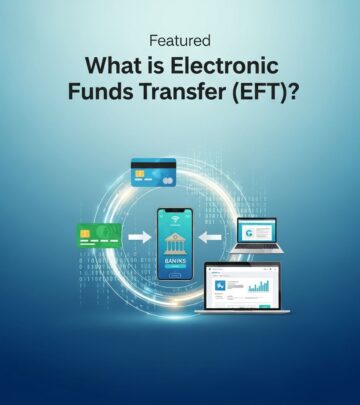
A telegraphic transfer (TT), also known as a telex transfer, wire transfer, or electronic funds transfer (EFT), is an electronic method of transferring funds between financial institutions. The term originated during the 19th century when telegraph operators at sending banks would submit messages in Morse code to recipient banks, detailing the amount sent and recipient information. Despite the telegraph’s obsolescence with the advent of the internet and modern technology, the terminology has persisted in banking terminology.
Today, telegraphic transfers operate through modern infrastructure including cable networks and cloud-based applications rather than telegraph wires. These transfers are particularly prevalent for overseas transactions and international payments, though they can also be used for domestic fund movements between banks. The process is now standardized through international banking networks such as the Society for Worldwide Interbank Financial Telecommunication (SWIFT), ensuring secure and efficient global transactions.
How Telegraphic Transfers Work
The telegraphic transfer process involves several structured steps to ensure secure and accurate fund delivery:
Step 1: Sender Initiates Transfer
The sender begins by visiting their bank and providing essential information about the recipient. This includes the recipient’s full name, account number, and the recipient’s bank SWIFT code. The sender must also specify the exact amount and currency they wish to transfer.
Step 2: Receiver Details Verification
Once the sender’s bank receives the transfer request, it verifies all recipient details to ensure accuracy. This verification process is critical to prevent errors and ensure funds reach the correct account.
Step 3: Transfer Authorization
After verification, the sender’s bank authorizes the transfer and converts the sender’s money into the required currency if necessary. Currency conversion occurs at this stage, and any applicable exchange rates are applied.
Step 4: Fund Transfer via SWIFT Network
The funds are transferred through a network of correspondent banks using the SWIFT system for international transactions. In the United Kingdom, telegraphic transfers are commonly processed through the Clearing House Automated Payment System (CHAPS), while in the United States, domestic transfers between institutions occur through the Federal Reserve System.
Step 5: Funds Credit to Recipient Account
The recipient’s bank receives the transfer instructions and credits the funds to the recipient’s account. This step confirms the successful movement of money to the destination account.
Step 6: Transfer Confirmation
Finally, the recipient’s bank confirms the transfer to the sender’s bank, which then notifies the sender that the transaction has been completed. This confirmation provides both parties with verification of the successful transfer.
Processing Timeline
Telegraphic transfers typically complete within one to five business days, though most transfers occur between two and four business days. The exact timeframe depends on several factors including the country of origin, the destination of the transfer, and any currency exchange requirements. International transfers may take longer than domestic transfers due to the additional steps involved in cross-border fund movement and currency conversion processes.
Required Information for Telegraphic Transfers
Completing a telegraphic transfer requires accurate information from both the sender and receiver. The following details are essential:
Sender Information
The sender must provide personally identifiable information for security purposes, including identification codes provided by their country or income tax department. For businesses, the identifiable information pertains to the business entity rather than an individual.
Recipient Information
The recipient must provide their full name, account number, and bank details including the SWIFT code and branch identification number. Personal identification information is also necessary for security verification purposes.
Bank Details
Both sender and receiver must provide information regarding their corresponding financial institutions, ensuring proper routing of funds through the banking system. The SWIFT code is particularly critical for international transfers, as it uniquely identifies each bank in the global financial network.
Costs Associated with Telegraphic Transfers
The costs of telegraphic transfers vary significantly between financial institutions and are not standardized across the industry. Several fee components may be included:
Fee Structure Components
Total telegraphic transfer costs typically include sending bank fees, intermediary bank fees, currency exchange fees, and costs charged by the recipient’s bank. The level of fees charged depends on the security measures implemented and the specific institution processing the transfer.
Currency Markup Considerations
Banks often apply currency markups when converting funds, adding their own margin on top of the mid-market exchange rate. This markup can reach as high as 3.5% above the interbank rate when using traditional high-street banks, potentially increasing your total transaction costs significantly.
Recipient Bank Charges
Depending on the recipient’s bank and account type, additional charges may be imposed by the recipient’s financial institution to receive the transferred funds. It is advisable to confirm these potential charges before initiating the transfer.
Inward and Outward Telegraphic Transfers
Banks use directional terminology to describe telegraphic transfers based on the perspective of the receiving institution:
Inward Telegraphic Transfer
An inward telegraphic transfer occurs when money is sent to your bank account from an external source. From your bank’s perspective, this represents an incoming fund transfer, which can originate from an overseas bank account or a local transfer. Inward transfers create incoming liquidity for the receiving party.
Outward Telegraphic Transfer
An outward telegraphic transfer happens when you send money from your bank account to a recipient in a local or overseas location. From your bank’s perspective, this represents an outgoing transfer. Outward transfers initiate the movement of funds from your account to external recipients.
Telegraphic Transfers vs. Wire Transfers vs. Bank Transfers
While these terms are often used interchangeably, they have distinct technical differences depending on context:
| Transfer Type | Definition | Network | Primary Use |
|---|---|---|---|
| Telegraphic Transfer | Electronic fund transfers between banks, primarily for international transactions | SWIFT Network | International payments, especially by businesses |
| Wire Transfer | Broader term for electronic fund transfers between banks and financial institutions | SWIFT, bank networks, or specialist services | Domestic and international transfers |
| Bank Transfer | General movement of money between bank accounts | Various systems including ACH, SWIFT, internal transfers | General purpose fund movement |
Telegraphic transfers specifically refer to electronic fund transfers between banks, especially internationally, and are commonly used by businesses. Wire transfers represent a broader category of electronic fund transfers that may or may not use the SWIFT network. Bank transfers encompass the widest range of money movement between accounts, including wire transfers, ACH transfers, telegraphic transfers, and transfers between internal bank accounts.
SWIFT Network and International Processing
The Society for Worldwide Interbank Financial Telecommunication (SWIFT) serves as the primary network for international telegraphic transfers. This standardized system enables secure communication between financial institutions globally, ensuring that international fund transfers follow consistent protocols and regulations. SWIFT provides standards and regulations that control how transfers take place, maintaining the integrity and security of international financial transactions.
Security and Standardization
Telegraphic transfers operate under a set of standards and regulations designed to control how transfers take place and protect both parties involved. The requirement for personally identifiable information and verification processes ensures that funds reach legitimate recipients. Banks maintain security protocols throughout the transfer process to prevent fraud and unauthorized transactions.
Frequently Asked Questions
Q: How long does a telegraphic transfer typically take?
A: Most telegraphic transfers complete within two to four business days, though some may take up to five business days depending on the origin, destination, and currency exchange requirements of the transaction.
Q: What information do I need to send a telegraphic transfer?
A: You need the recipient’s full name, account number, bank SWIFT code, branch identification number, and personal identification information. Your bank will also require details about your own account and identification.
Q: Can I use a telegraphic transfer for domestic transfers?
A: Yes, telegraphic transfers can be used for both domestic and international transfers, though they are more commonly associated with cross-border payments.
Q: Why are telegraphic transfers more expensive than some other transfer methods?
A: Telegraphic transfers may include multiple layers of fees from the sending bank, intermediary banks, currency exchange markups, and receiving bank charges. Currency markups can add significant costs to the total transaction.
Q: Is a telegraphic transfer the same as a SWIFT transfer?
A: While often used interchangeably, telegraphic transfer is a broader historical term, whereas SWIFT transfer specifically refers to transfers made through the SWIFT network. Most modern telegraphic transfers use the SWIFT system.
Q: What happens if there is an error in the recipient’s bank details?
A: If recipient details are incorrect, the verification process should catch the error before authorization. If funds are transferred to the wrong account, recovery can be difficult and may require contacting both banks for assistance.
Q: Can I cancel a telegraphic transfer after initiating it?
A: Cancellation depends on the stage of the transfer. Once funds have been transferred through the SWIFT network, cancellation becomes extremely difficult. It is best to verify all details before authorizing the transfer.
References
- What is a telegraphic transfer (TT)? | Definition — Capital.com. 2025. https://capital.com/en-int/learn/glossary/telegraphic-transfer-tt-definition
- What is a telegraphic transfer (TT) and how does it work? — Airwallex. 2025. https://www.airwallex.com/us/blog/telegraphic-transfer
- What is a Telegraphic Transfers (TT) — WorldRemit. 2025. https://www.worldremit.com/en/blog/finance/telegraphic-transfers
- What is a Telegraphic Transfer? TT vs Wire transfers (SWIFT) — Wise. 2025. https://wise.com/us/blog/telegraphic-transfer-vs-wire-transfer
- Telegraphic Transfer vs Wire Transfer: Understanding the Differences and Similarities — Payset. 2025. https://www.payset.io/blog/telegraphic-transfer-vs-wire-transfer-differences-and-similarities/
- What is a Telegraphic Transfer? — OFX. 2025. https://www.ofx.com/en-us/personal/money-transfer-types/telegraphic-transfer/
Similar Articles








Read full bio of Sneha Tete