Technical Skills: Definition, Examples, and Career Development
Master technical skills to advance your career and meet employer expectations in today's competitive job market.

What Are Technical Skills?
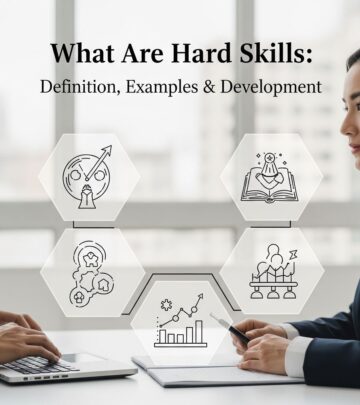
Technical skills, also known as hard skills or “know-how,” are specialized competencies and knowledge that enable individuals to perform specific tasks effectively in their professional roles. These abilities are acquired through formal education, professional training, hands-on experience, or self-directed learning, and they are essential across virtually every industry and job function.
Unlike general workplace competencies, technical skills are directly tied to job performance and are often measurable and quantifiable. They represent the practical expertise required to execute complex tasks, operate specialized tools, and use industry-specific software or systems. Whether you’re a software developer writing code, a financial analyst building forecasting models, or a graphic designer creating visual content, technical skills form the foundation of your professional capability.
Technical skills are the cornerstone of workforce development and organizational success. They enable professionals to meet specific job requirements, demonstrate competency during hiring processes, and contribute meaningfully to their organization’s goals and objectives.
Technical Skills vs. Soft Skills: Key Differences
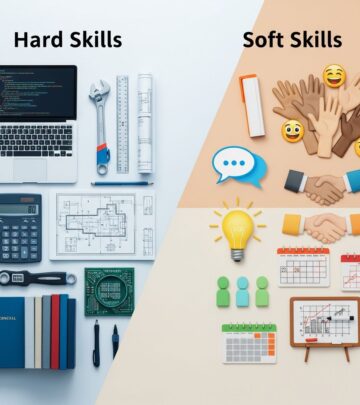
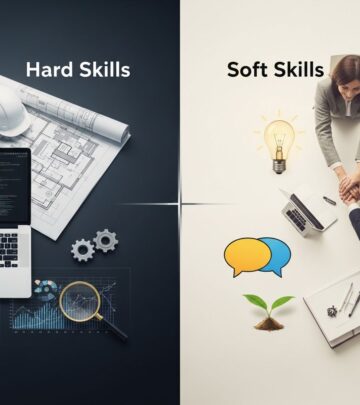
While both technical and soft skills are valuable in the workplace, they serve different purposes and are developed through different approaches. Understanding the distinction between these skill categories is crucial for career planning and professional development.
Hard Skills (Technical Skills)
Technical skills are specific, measurable, and job-focused competencies that can be objectively assessed. They include expertise in areas such as:
– Programming languages and software development- Data analysis and statistical modeling- Computer networks and cybersecurity- Financial modeling and accounting- Project management tools and methodologies- Cloud computing platforms- Technical writing and documentation
These skills are easier to test, quantify, and validate through certifications, assessments, or portfolio demonstrations. They can become obsolete over time as technology evolves and new tools emerge.
Soft Skills (Professional Skills)
Soft skills encompass personality traits, interpersonal abilities, and general workplace competencies that are applicable across multiple industries and roles. Common examples include:
– Communication and presentation abilities- Leadership and team management- Critical thinking and problem-solving- Time management and organization- Emotional intelligence and empathy- Adaptability and flexibility
Soft skills are more difficult to teach and measure objectively, yet they are increasingly recognized as essential for career success. These transferable abilities complement technical expertise and help professionals work effectively with colleagues, clients, and stakeholders.
Comparative Overview
| Aspect | Technical Skills | Soft Skills |
|---|---|---|
| Measurability | Highly measurable and quantifiable | Difficult to quantify objectively |
| Job Specificity | Specific to particular roles or industries | Transferable across multiple roles |
| Teaching Difficulty | Can be taught through formal training | Challenging to teach formally |
| Assessment Method | Tests, certifications, practical demonstrations | Behavioral interviews, observations |
| Obsolescence Risk | May become outdated with technology | Generally remain relevant long-term |
Why Technical Skills Matter in Today’s Job Market
Employers consistently prioritize technical skills during recruitment and hiring processes because they directly correlate with job performance and organizational productivity. In our increasingly digitized economy, technical proficiency has become a fundamental requirement across industries.
Technical skills enable organizations to:
– Deliver products and services efficiently- Maintain competitive advantages in evolving markets- Reduce operational errors and risks- Implement new technologies effectively- Meet specialized industry requirements and compliance standards
The demand for specific technical skills fluctuates based on technological advancement and market trends. Continuous innovation creates new skill requirements, while simultaneously rendering some traditional abilities less critical. This dynamic landscape makes ongoing skill development essential for career longevity and advancement.
Examples of In-Demand Technical Skills by Industry
Information Technology and Software Development
IT professionals require expertise in:
– Programming languages (Python, Java, C++, JavaScript)- Web development frameworks and libraries- Database management systems- Cloud platforms (AWS, Azure, Google Cloud)- System administration and network configuration- Cybersecurity principles and tools- DevOps practices and containerization
Financial Services
Financial professionals need proficiency in:
– Financial modeling and valuation techniques- Advanced spreadsheet applications (Excel)- Statistical analysis and forecasting- Risk assessment methodologies- Regulatory compliance knowledge- Investment portfolio theory- Data visualization tools
Marketing and Digital Strategy
Marketing professionals increasingly require:
– Paid social media advertising platforms- Email marketing automation tools- Google Analytics and data analysis- Search engine optimization (SEO) techniques- Content management systems- Marketing automation software- A/B testing and experimentation frameworks
Sales and Business Development
Sales professionals benefit from technical competencies in:
– Customer relationship management (CRM) systems- Product knowledge and industry expertise- Sales analytics and forecasting- Negotiation techniques and strategies- Technical prospecting tools- Presentation software and communication platforms
Project Management
Project managers require skills including:
– Project management methodologies (Agile, Waterfall, Scrum)- Resource allocation and budgeting- Timeline and scope management- Risk identification and mitigation- Stakeholder communication- Project management software (Asana, Monday.com, Jira)
How to Develop and Improve Technical Skills
Formal Education and Certifications
Traditional educational pathways provide comprehensive technical skill development. University degrees, vocational programs, and industry-specific certifications offer structured learning environments where you can build foundational knowledge and demonstrate expertise to employers.
Online Learning Platforms
Digital learning has democratized access to technical skill development. Platforms offering specialized courses enable professionals to learn at their own pace and acquire in-demand competencies. Many platforms provide hands-on projects that build practical experience alongside theoretical knowledge.
Hands-On Practice and Projects
Practical application accelerates skill development. Working on real-world projects, contributing to open-source initiatives, or building personal portfolios helps you develop proficiency and create tangible evidence of your capabilities.
Mentorship and Peer Learning
Learning from experienced professionals provides invaluable insights and accelerates skill acquisition. Mentors can provide guidance, feedback, and perspective that formal training alone cannot offer.
Professional Development and Workshops
Attending industry conferences, webinars, and workshops keeps your skills current and introduces you to emerging technologies and methodologies within your field.
Emerging Technical Skills for the Future
The technological landscape continues evolving rapidly, creating demand for new technical capabilities. Current high-demand areas include:
Artificial Intelligence and Machine Learning
AI skills are now transcending the technology sector and becoming relevant across industries. Understanding machine learning algorithms, neural networks, and AI implementation is increasingly valuable for professionals in finance, healthcare, marketing, and other fields.
Cloud Computing
Cloud platform proficiency has become foundational. Expertise in AWS, Microsoft Azure, or Google Cloud Platform is essential for IT professionals and increasingly important for data analysts, business intelligence specialists, and software developers.
Data Science and Analytics
Data skills have transcended their traditional role in IT and finance, becoming valuable across marketing, human resources, sales, and healthcare. The ability to analyze data, extract insights, and communicate findings drives decision-making across organizations.
Cybersecurity
As digital threats increase, cybersecurity expertise has become critical. Skills in threat detection, vulnerability assessment, and security compliance are increasingly sought across industries.
Blockchain and Distributed Systems
Understanding blockchain technology and distributed ledger systems is becoming increasingly important in finance, supply chain management, and emerging technology sectors.
How Employers Assess Technical Skills
Organizations employ various methods to evaluate technical competencies during recruitment and ongoing performance management:
Technical Assessments and Tests
Employers administer practical tests requiring candidates to demonstrate proficiency with specific tools, languages, or methodologies. These assessments provide objective evidence of skill levels and job readiness.
Portfolio Review
Candidates showcase previous work, projects, or deliverables demonstrating their technical capabilities. Portfolios are particularly valuable in creative and technical fields where tangible evidence of expertise is readily available.
Coding Challenges and Problem-Solving Exercises
Technical roles often involve coding interviews or problem-solving scenarios where candidates must solve real-world challenges using their technical expertise.
Certification Verification
Professional certifications provide third-party validation of technical knowledge. Many employers prioritize candidates with relevant industry certifications.
Work Samples and Case Studies
Candidates may complete realistic work samples or case studies demonstrating how they would approach actual job responsibilities.
Building a Technical Skills Profile for Your Organization
Organizations develop systematic approaches to identifying, assessing, and developing technical skills across their workforce.
Skills Mapping
Companies create comprehensive skills maps identifying the technical competencies required for different roles and departments. This mapping process involves analyzing job functions, identifying critical skills, and determining proficiency levels needed for success.
Performance Against Competency Grids
Organizations evaluate employee performance against predetermined competency grids, ensuring alignment between actual skill levels and role requirements. This systematic assessment reveals skill gaps and informs training and development decisions.
Continuous Skill Development
Forward-thinking companies actively anticipate future technical skill needs, proactively developing their workforce through training programs, mentorship initiatives, and knowledge-sharing platforms. This approach prevents skill gaps from impacting operational performance.
The Role of Technical Skills in Career Advancement
Strong technical skills form the foundation for career progression. Entry-level positions increasingly require baseline technical competencies, while advancement into senior roles often demands deeper expertise or breadth across multiple technical domains.
Professionals who continuously develop and update their technical skills demonstrate commitment to their field, increase their market value, and position themselves for promotions, higher compensation, and greater opportunities. In technical leadership roles, understanding the technical aspects of your domain enables you to make informed decisions, oversee operations competently, and guide team development effectively.
Technical Skills and Workplace Demand Dynamics
Technical skill demand evolves constantly due to technological innovation and market changes. New technologies create entirely new job categories and skill requirements. For example, web development positions did not exist before the internet era, yet today web developers are in high demand. Similarly, AI and machine learning roles were virtually nonexistent a decade ago but are now critical across industries.
This dynamic nature means that the specific technical skills evaluated at one point in time may differ significantly from those in demand years later. Professionals must remain adaptable, continuously learning and acquiring new competencies to maintain relevance in evolving job markets.
Integrating Technical and Soft Skills for Career Success
While technical skills are fundamental, the most successful professionals combine technical expertise with strong soft skills. Employers increasingly seek candidates who possess both competency clusters.
Technical skills alone may not lead to career success if accompanied by poor communication, inability to work in teams, or lack of adaptability. Conversely, strong soft skills without requisite technical expertise limit your ability to perform job functions effectively. The ideal professional profile includes both technical proficiency and interpersonal competency.
Frequently Asked Questions About Technical Skills
Q: How can I identify which technical skills are most valuable for my career?
A: Research job postings in your target field, consult industry reports on in-demand skills, and speak with professionals in your desired roles. Focus on skills that align with your career goals and have sustained demand across multiple organizations.
Q: How long does it typically take to develop a new technical skill?
A: Timeline varies significantly by skill complexity and your learning approach. Basic competency in many technical areas can be achieved in weeks or months through focused study, while mastery may require years of practice and experience.
Q: Can technical skills become outdated quickly?
A: Yes, some technical skills do become obsolete as technology evolves. However, foundational principles and core competencies often remain valuable. Stay current by regularly updating your knowledge and learning new technologies within your field.
Q: Should I prioritize learning technical skills or soft skills?
A: Both are essential. Technical skills are often prerequisites for specific roles, while soft skills differentiate high performers and enable advancement. Develop both simultaneously for comprehensive professional growth.
Q: How do I demonstrate technical skills on my resume and in interviews?
A: Use specific examples and quantifiable achievements. Instead of simply listing skills, describe projects where you applied them and the measurable outcomes. Include relevant certifications, portfolio links, and concrete examples of how your technical expertise added value.
References
- What Are Technical Skills? — Coursera. 2025. https://www.coursera.org/articles/what-are-technical-skills
- Technical Job Skills – Overview, Resume Writing, Examples — Corporate Finance Institute. 2025. https://corporatefinanceinstitute.com/resources/career/technical-job-skills/
- How to Define & Manage Technical Skills in Your Company — 360Learning. 2025. https://360learning.com/blog/technical-skills/
- Technical Skills — Fiveable. 2025. https://fiveable.me/key-terms/intro-to-business/technical-skills
- Skills: Hard (Technical) vs Soft (Professional) — Next Steps Idaho. 2025. https://nextsteps.idaho.gov/resources/skills-hard-technical-vs-soft-professional
Similar Articles








Read full bio of Sneha Tete