Taxes and Credit Scores
Uncover how unpaid taxes can indirectly harm your credit score through liens, collections, and financial strain—learn prevention strategies.
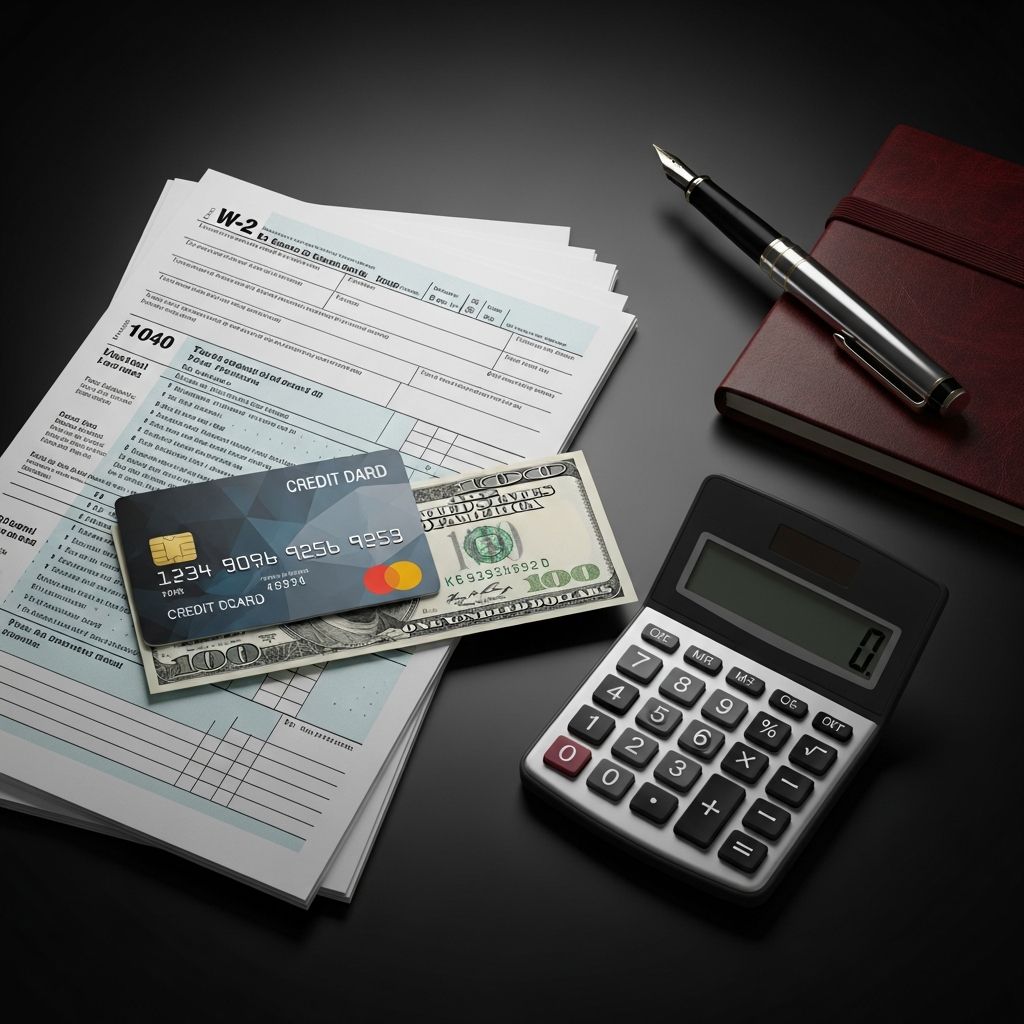
Unpaid tax obligations do not directly lower your credit score because the Internal Revenue Service (IRS) does not share payment information with credit bureaus like Experian, Equifax, or TransUnion. However, severe delinquencies can trigger actions such as tax liens or collections that appear on public records and harm your credit profile indirectly.
This article explores these mechanisms, their consequences, and practical steps to safeguard your credit while managing tax debts. Understanding these dynamics helps you avoid pitfalls that could elevate borrowing costs or limit access to loans.
Why Taxes Don’t Directly Influence Credit Reports
Federal law restricts the IRS from disclosing tax data to consumer reporting agencies except in narrow judicial scenarios. As a result, routine tax filings, refunds, or even modest balances due remain invisible to credit scoring models.
State tax authorities follow similar protocols, refraining from direct reports to bureaus. This privacy protection shields everyday taxpayers but creates a false sense of security for those ignoring escalating notices.
Indirect Pathways: How Tax Issues Erode Credit Health
While direct reporting is absent, tax troubles cascade into credit damage through enforceable measures. Here’s how:
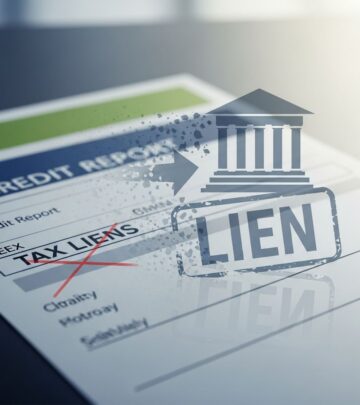
- Tax Liens: For substantial unpaid balances, the IRS files a Notice of Federal Tax Lien (NFTL), a public claim against your assets. Until 2018, these appeared on credit reports for up to seven years post-satisfaction; now, major bureaus exclude them voluntarily, but lenders may still access public records.
- Collections and Levies: Persistent non-payment prompts the IRS to assign debts to private collectors, whose negative marks do hit credit reports, dropping scores by 100+ points in severe cases. Levies seize wages or accounts, straining cash flow and causing missed payments elsewhere.
- Debt-to-Income Strain: Mounting tax liabilities inflate your debt-to-income (DTI) ratio, a key underwriting factor. Lenders view high DTI—ideally under 36%—as risky, rejecting applications or hiking rates.
These effects compound: a lien might not show, but resulting collections or payment lapses dominate FICO models, where payment history weighs 35%.
State and Local Taxes: Similar Risks, Varied Enforcement
State agencies mirror federal restraint on direct reporting but pursue liens for delinquencies over certain thresholds, often $5,000–$10,000 depending on jurisdiction. These public filings influence lender decisions even without bureau inclusion.
Property taxes pose unique threats; unpaid amounts lead to municipal liens prioritizing over mortgages, complicating home sales or refinances. Collections from local efforts further tarnish reports.
| Tax Type | Direct Credit Impact | Indirect Risks | Typical Threshold for Action |
|---|---|---|---|
| Federal Income | No | Liens, Levies, Collections | $10,000+ past due |
| State Income | No | Liens, Collections | Varies by state |
| Property | No | Municipal Liens, Foreclosure | Local delinquency limits |
Financial Ripple Effects Beyond Scores
Tax woes extend harm via:
- Higher insurance premiums, as some providers factor public liens.
- Frozen credit lines from wary issuers spotting collections.
- Impaired homebuying; liens must clear before closing.
Post-2018 changes reduced lien visibility, but indirect hits persist. A 2023 FICO analysis notes collections remain top score depressors.
Payment Options and Their Credit Implications
Addressing tax debt promptly preserves credit. Key IRS programs include:
- Short-Term Plans: For balances under $100,000, pay within 180 days—no credit check or report.
- Installment Agreements: Monthly payments for up to $50,000 (long-term) or $100,000 (short-term); no bureau notification.
- Offer in Compromise: Settle for less if hardship proven; setup fees apply but no direct credit hit.
Avoid Credit Cards: Charging taxes spikes utilization (30% of FICO), potentially tanking scores if balances linger. Loans fare better if low-interest.
Prevention: Proactive Tax Management
Maintain credit integrity by:
- Filing on time, even if unable to pay—avoids failure-to-file penalties.
- Requesting extensions before April 15.
- Using IRS withholding calculators for accurate paycheck deductions.
- Monitoring notices via IRS Online Account.
Early action halts escalation; small debts rarely trigger liens.
Case Studies: Real-World Scenarios
Scenario 1: Jane owes $15,000 federal taxes, ignores notices. IRS files lien (public record), assigns to collections—score drops 120 points. Resolution via installment restores partial recovery in 12 months.
Scenario 2: Mike pays $8,000 state taxes via credit card. Utilization jumps to 90%, score falls 50 points temporarily. Pays off quickly, minimal long-term damage.
These illustrate indirect vulnerabilities.
Frequently Asked Questions
Will an IRS payment plan hurt my credit?
No, installment agreements aren’t reported to bureaus.
Can tax refunds offset credit damage?
Refunds apply to debts first, freeing cash for other bills and stabilizing payments.
How long do tax-related collections stay on reports?
Up to seven years from delinquency date.
Do self-employed taxes affect credit differently?
Quarterly estimates ignored if paid timely; delinquencies follow standard paths.
What if I can’t pay due to hardship?
Currently Not Collectible status pauses enforcement without credit marks.
Rebuilding Credit After Tax Troubles
Post-resolution:
- Dispute inaccuracies via AnnualCreditReport.com.
- Secure secured cards for positive history.
- Keep utilization under 30%.
- Time works: Collections age off after seven years.
Consult tax professionals or credit counselors for tailored plans.
References
- Does Owing Taxes Affect Your Credit Score? — MoneyLion. 2023. https://www.moneylion.com/learn/credit/credit-score/does-owing-taxes-affect-credit-score
- Can Not Paying My Taxes Hurt My Credit? — Experian. 2024-03-15. https://www.experian.com/blogs/ask-experian/can-unpaid-taxes-hurt-my-credit/
- Does Owing the IRS Affect Your Credit Score? — Community Tax. 2024. https://www.communitytax.com/tax-blog/does-owing-the-irs-affect-your-credit-score/
- Do Taxes Affect Your Credit Score? — Credit Acceptance. 2023. https://www.creditacceptance.com/car-buyers/express-lane/do-taxes-affect-your-credit-score
- Does IRS Debt Show on Your Credit Report? — H&R Block. 2024. https://www.hrblock.com/tax-center/lifestyle/financial-education/taxes-affect-credit-score/
Similar Articles








Read full bio of Sneha Tete