Taxation: Definition, Types, and Impact on Economy
Understand taxation systems, their purposes, and economic implications for individuals and businesses.

What Is Taxation?
Taxation represents a fundamental mechanism through which governments collect revenue from individuals and businesses to finance public services, infrastructure, and social programs. It is a compulsory financial charge imposed by governmental authorities on citizens, corporations, and other entities based on their income, property, consumption, or other measurable economic activities. The taxation system forms the backbone of modern economies, enabling governments to function and provide essential services such as education, healthcare, national defense, and infrastructure development.
Taxation serves multiple purposes beyond simple revenue collection. It functions as a tool for economic policy implementation, wealth redistribution, and social engineering. Governments use tax policy to influence economic behavior, incentivize certain activities, and discourage others. Understanding taxation is crucial for both individual financial planning and business strategy, as tax obligations significantly impact disposable income and corporate profitability.
Key Purposes of Taxation
Taxation serves several interconnected purposes within modern economies:
- Revenue Generation: The primary function of taxation is to generate revenue that governments use to fund essential services and operations. This includes salaries for public employees, maintenance of infrastructure, and funding for social welfare programs.
- Economic Stabilization: Governments employ tax policy as a macroeconomic tool to stabilize economic cycles. During recessions, tax cuts may stimulate spending and investment, while tax increases during periods of high inflation help cool economic activity.
- Wealth Redistribution: Progressive tax systems aim to reduce income inequality by taxing higher earners at higher rates and using collected revenues to fund programs benefiting lower-income populations.
- Behavioral Incentives: Tax policy can encourage or discourage specific behaviors. For example, tax credits for renewable energy adoption promote environmental sustainability, while high taxes on tobacco products discourage consumption.
- Social Goals: Taxation helps achieve broader social objectives, such as supporting families through child tax credits or promoting homeownership through mortgage interest deductions.
Major Types of Taxes
Income Tax
Income tax represents one of the most significant sources of government revenue globally. It is levied on the earnings of individuals and corporations. In progressive income tax systems, tax rates increase with income levels, meaning higher earners pay a larger percentage of their income in taxes. Individual income taxes fund federal, state, and local government services, while corporate income taxes are applied to business profits.
Sales Tax and Value-Added Tax (VAT)
Sales taxes are consumption taxes collected at the point of purchase on goods and services. Value-added tax (VAT) systems, prevalent in Europe and many other countries, operate differently by taxing the value added at each stage of production and distribution. VAT typically has broader application and generates substantial government revenue. Unlike sales tax, which is applied once at retail, VAT is collected throughout the supply chain.
Property Tax
Property taxes are levied by local governments on real estate and sometimes personal property. These taxes are typically calculated as a percentage of the property’s assessed value and are a major funding source for local schools, police departments, and infrastructure maintenance. Property taxes vary significantly by jurisdiction and can represent substantial expenses for homeowners.
Excise Tax
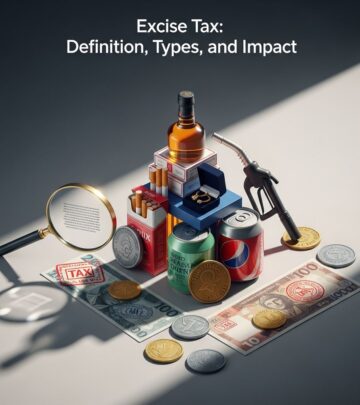
Excise taxes target specific products and services considered harmful or subject to heavy consumption, including gasoline, alcohol, tobacco, and gambling activities. These selective consumption taxes serve dual purposes: generating revenue while discouraging consumption of products society deems problematic. Excise taxes often have higher rates than general sales taxes.
Payroll Tax
Payroll taxes fund social insurance programs such as Social Security and Medicare in the United States. These taxes are withheld directly from employee wages and supplemented by employer contributions. Payroll taxes typically have fixed rates and are applied up to a maximum earnings threshold, making them a regressive form of taxation.
Capital Gains Tax
Capital gains taxes are levied on the profit from selling investments, real estate, or other assets. Tax treatment differs based on holding periods: long-term capital gains (assets held over one year) typically receive preferential tax rates compared to short-term gains (assets held under one year). This preferential treatment aims to encourage long-term investment.
Progressive vs. Regressive Tax Systems
Progressive Taxation
Progressive tax systems impose higher tax rates on higher income levels, meaning wealthier individuals and corporations pay a larger percentage of their income in taxes. Income taxes in most developed nations are structured progressively, with multiple tax brackets. Proponents argue progressive taxation reduces income inequality and ensures higher earners contribute proportionally to public services from which they benefit. Critics contend it may discourage investment and entrepreneurship.
Regressive Taxation
Regressive taxes consume a larger percentage of income for lower-income individuals. Sales taxes, excise taxes, and payroll taxes are considered regressive because they take up a bigger portion of income for those earning less. While regressive taxes may seem unfair, they are often easier and less costly to administer and provide reliable revenue streams.
Tax Planning and Compliance
Individual Tax Planning
Strategic tax planning helps individuals minimize tax liability while remaining fully compliant with applicable laws. Common strategies include maximizing contributions to retirement accounts (401(k)s, IRAs), utilizing available deductions and credits, timing income and expenses strategically, and charitable giving. Professional tax advisors help individuals identify opportunities aligned with their financial goals and circumstances.
Business Tax Considerations
Businesses must navigate complex tax requirements including entity selection (sole proprietorship, partnership, corporation, LLC), quarterly estimated tax payments, payroll tax withholding, and corporate tax filing obligations. Strategic business decisions regarding structure, timing, and operations often have significant tax implications. Many businesses employ tax professionals to ensure compliance and optimize tax positions.
Tax Compliance Requirements
Both individuals and businesses have legal obligations to file accurate and timely tax returns. Penalties for non-compliance include fines, interest charges, and potential criminal prosecution in cases of intentional fraud. Maintaining detailed records, documenting income and expenses, and meeting filing deadlines are essential components of tax compliance.
Economic Impact of Taxation
Effects on Growth and Investment
Tax policy significantly influences economic growth and investment decisions. Higher tax rates may reduce after-tax returns on investment, potentially discouraging capital formation and business expansion. Conversely, strategic tax reductions targeting investment or entrepreneurship can stimulate economic activity. The relationship between tax rates and economic growth is complex and debated among economists, with optimal tax levels varying by country and economic conditions.
Inflation and Purchasing Power
Tax policy intersects with inflation dynamics. Tax systems not adjusted for inflation (bracket creep) may push taxpayers into higher brackets, effectively increasing tax burdens. Conversely, tax-funded government spending can contribute to inflationary pressures if excessive relative to economic capacity.
Employment Effects
Taxation affects employment through multiple channels. Corporate taxes influence hiring decisions and wage levels, while payroll taxes increase employment costs. Personal income taxes affect labor supply and work incentives. Tax policies targeting specific industries or employment types can reshape labor market composition and competitiveness.
Global Tax Perspectives
International Tax Considerations
Multinational corporations and individuals with international income face complex cross-border tax obligations. Tax treaties between countries aim to prevent double taxation, where income is taxed in multiple jurisdictions. Transfer pricing rules govern how multinational enterprises allocate profits among subsidiaries, while permanent establishment rules determine tax residency.
Tax Competitiveness
Countries compete for investment and talent through tax policy. Lower corporate tax rates and attractive incentives for foreign investment influence business location decisions. Some countries employ special economic zones with preferential tax treatment to attract investment, while others maintain higher rates to fund comprehensive social services.
Common Tax Deductions and Credits
Standard and Itemized Deductions
Individual taxpayers may choose between standard deductions (fixed amounts based on filing status) or itemizing deductions (claiming actual expenses including mortgage interest, charitable contributions, and state taxes). The choice depends on which approach yields greater tax reductions. Standard deduction amounts adjust annually for inflation.
Tax Credits
Tax credits directly reduce tax liability, making them more valuable than deductions. Common credits include the Earned Income Tax Credit (EITC), Child Tax Credit, education credits, and energy efficiency credits. Credits target specific policy objectives such as supporting low-income workers or promoting educational attainment.
Tax Incentives for Specific Activities
Governments offer tax incentives to encourage beneficial behaviors including retirement savings, homeownership, education, charitable giving, and renewable energy adoption. These incentives shape consumer and business behavior while advancing policy objectives.
Recent Tax Policy Trends
Digitalization and Online Taxation
As e-commerce expands, tax authorities worldwide increasingly focus on taxation of digital services and online sales. Countries implement value-added tax on digital supplies and develop rules for taxing digital platform businesses operating across multiple jurisdictions.
Environmental and Social Taxation
Governments increasingly employ taxation to address environmental and social objectives, including carbon taxes on emissions, plastic taxes, financial transaction taxes, and wealth taxes on ultra-high-net-worth individuals. These policy tools attempt to internalize externalities and reduce inequality.
International Tax Reform
Recent international efforts, including OECD’s Base Erosion and Profit Shifting (BEPS) initiative and minimum global corporate tax agreements, aim to ensure fair taxation and prevent tax avoidance strategies that shift profits to low-tax jurisdictions.
Frequently Asked Questions
Q: What is the difference between tax avoidance and tax evasion?
A: Tax avoidance refers to legal strategies minimizing tax liability through permissible means, while tax evasion involves illegally concealing income or falsifying deductions to reduce taxes owed. Tax evasion violates law and risks criminal penalties, whereas tax avoidance operates within legal boundaries.
Q: How do governments use tax policy to fight inflation?
A: Governments may increase tax rates to reduce consumer and business spending, thereby decreasing aggregate demand and inflationary pressures. Tax increases reduce disposable income available for consumption and capital investments that drive inflation.
Q: Why do some countries have wealth taxes?
A: Wealth taxes aim to reduce income inequality by taxing accumulated assets beyond income-based taxation. However, wealth taxes face implementation challenges including asset valuation difficulties and capital flight concerns, leading many countries to abandon them.
Q: What are estimated quarterly tax payments?
A: Self-employed individuals and certain businesses make estimated quarterly tax payments to tax authorities when insufficient taxes are withheld from paychecks. These payments account for expected annual tax liability and avoid penalties for underpayment.
Q: How does taxation affect retirement planning?
A: Tax-advantaged retirement accounts like 401(k)s and IRAs defer taxes on contributions and investment earnings until withdrawal. Understanding tax implications of retirement withdrawals, required minimum distributions, and Roth conversions is essential for effective retirement planning.
Q: What is the purpose of tax brackets?
A: Tax brackets structure progressive taxation by applying increasing tax rates to successive income ranges. This system allows higher earners to contribute proportionally more while maintaining moderate rates on lower income levels, supporting progressive taxation principles.
Conclusion
Taxation represents a complex and essential component of modern economies, serving multiple purposes from funding government services to influencing economic behavior and promoting social objectives. Understanding various tax types, their economic impacts, and available planning strategies is crucial for individuals and businesses navigating their financial obligations. As economies evolve and global circumstances change, tax policy continues adapting to address new challenges including digital commerce, environmental concerns, and international tax fairness. By understanding taxation fundamentals and remaining compliant with applicable requirements, individuals and businesses can manage their tax obligations effectively while contributing to the functioning of society.
References
- Understanding the U.S. Tax System — Internal Revenue Service (IRS). 2024. https://www.irs.gov/
- OECD Tax Statistics and Analysis — Organisation for Economic Co-operation and Development. 2024. https://www.oecd.org/tax/
- Base Erosion and Profit Shifting (BEPS) Initiative — OECD. 2023. https://www.oecd.org/tax/beps/
- Federal Tax Laws and Regulations — U.S. Department of the Treasury. 2024. https://home.treasury.gov/
- Global Tax Policy Framework — International Monetary Fund (IMF). 2024. https://www.imf.org/
Similar Articles








Read full bio of medha deb