Tax Season 2025: Start Date, Deadlines & IRS Updates
Complete guide to 2025 tax season: key dates, filing deadlines, and what to expect from the IRS.

When Does Tax Season 2025 Start? Your Complete Filing Guide
Tax season 2025 is an important time for millions of Americans who need to file their federal income tax returns. Understanding the key dates and deadlines can help you prepare ahead of time and avoid last-minute stress. The IRS opened the 2025 tax filing season on January 27, 2025, accepting and processing federal individual tax year 2024 returns. During this early morning opening, IRS systems received millions of tax returns from across the nation for processing.
Whether you’re an individual filer, self-employed, or running a business, knowing the exact deadlines and what documents you’ll need is crucial for staying compliant with tax laws. This comprehensive guide covers everything you need to know about the 2025 tax season, including filing dates, important deadlines, and helpful resources from the IRS.
Tax Season 2025 Start Date and Key Timelines
The IRS has already begun accepting and processing 2025 tax returns for the 2024 tax year. The agency expects more than 140 million individual tax returns to be filed ahead of the Tuesday, April 15, 2026 federal deadline. This represents a significant volume of returns that the IRS must process efficiently.
For the upcoming 2025 tax year, the IRS is expected to begin accepting returns in late January 2026. This means you can start preparing your documents now and be ready to file as soon as the season opens. Understanding the timeline helps you plan ahead and avoid the rush that typically occurs closer to the April deadline.
Important Tax Filing Deadlines for 2025
Individual Income Tax Return Deadline
The most critical deadline for individual taxpayers is April 15, 2026. This is the standard federal income tax filing deadline for calendar year filers, which includes most Americans. However, if April 15 falls on a weekend or federal holiday, the deadline is automatically extended to the next business day.
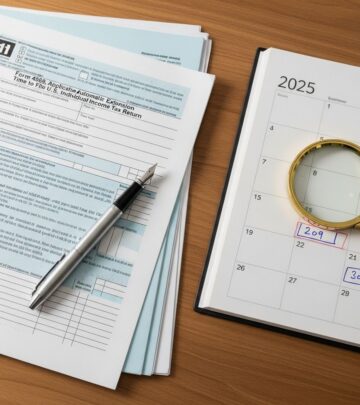
The IRS allows taxpayers to request an extension if they need more time. By filing Form 4868, you can extend your filing deadline to October 15, 2026. It’s important to note that filing an extension gives you more time to submit your return, but it does not extend the deadline to pay any taxes you owe. Taxes owed are still due by April 15, 2026.
Estimated Tax Payment Deadlines
Self-employed individuals, independent contractors, and gig workers typically make quarterly estimated tax payments throughout the year. The key dates for 2025 and early 2026 include:
- January 15, 2026: Fourth Quarter 2025 estimated tax payment due
- April 15, 2026: First Quarter 2026 estimated tax payment due
- June 15, 2026: Second Quarter 2026 estimated tax payment due
- September 15, 2026: Third Quarter 2026 estimated tax payment due
IRA and HSA Contribution Deadline
If you want to contribute to a traditional or Roth IRA, or make health savings account (HSA) contributions for the 2025 tax year, the deadline is April 15, 2026. This is the same date as the tax filing deadline, so mark it on your calendar to ensure you don’t miss this opportunity to boost your retirement or healthcare savings.
Important Employer and Business Deadlines
W-2 Form Distribution
Employers are required to send W-2 forms to employees by February 2, 2026. However, the IRS used to require this by January 31 following the close of the tax year. Ensure you receive your W-2 before filing your tax return, as this document contains crucial income information needed to accurately complete your return.
Business Tax Filing Deadlines
Different business structures have different filing deadlines:
- C Corporations: April 15, 2026 (for calendar year filers)
- Partnerships and S-Corporations: March 15, 2026 (for calendar year filers)
- Extended Partnership Returns: September 15, 2026
- Extended S-Corporation Returns: September 15, 2026
- Extended C-Corporation Returns: October 15, 2026
Businesses operating on a fiscal year have different deadlines. Your business return is due on the 15th day of the fourth month following the close of your fiscal year. For example, if your business uses an April 1 to March 31 tax year, your return would be due by July 15 instead of April 15.
IRS Updates and Improvements for the 2025 Filing Season
Enhanced Online Account Features
The IRS continues to improve its digital tools and services. The IRS Individual Online Account now includes several helpful features:
- View, make, and cancel payments
- Set up or change payment plans
- Check your account balance
- Access your Digital Notices and Letters page
- View correspondence and communications from the IRS
These features make it easier for taxpayers to manage their tax obligations and stay informed about their accounts.
New Scam Alert Features
To protect taxpayers from emerging threats, the IRS has added a new banner on the Online Account homepage that alerts users of potential scams and schemes. This feature educates taxpayers on common fraudulent efforts to steal personal information and provides greater ability to validate the legitimacy of IRS communications.
Redesigned Tax Notices
The IRS successfully redesigned 284 notices in 2024, exceeding its initial goal of 200. An additional 84 redesigned notices are scheduled for deployment in 2025. These redesigned notices will be added to the Individual Online Account, making them easier for taxpayers to understand and access.
Refund Processing and Timeline
Understanding Refund Processing
Under the federal Protecting Americans from Tax Hikes (PATH) Act, the IRS cannot issue Earned Income Tax Credit (EITC) and Additional Child Tax Credit (ACTC) refunds before mid-February. The IRS’s “Where’s My Refund?” tool should show an updated status by February 22.
Most refunds are issued within 21 days of the IRS receiving your return. However, if you’re eligible for the EITC or ACTC, your refund may take longer to process. Filing early in the tax season can help ensure you receive your refund as quickly as possible.
Direct Deposit vs. Paper Checks
The IRS has phased out paper tax refund checks starting September 30, 2025. For tax year 2025, the IRS is requesting that taxpayers use direct deposit to receive their refunds. Direct deposit is faster, safer, and more environmentally friendly than receiving a paper check. You can set up direct deposit when you file your tax return.
Getting Ready to File Your 2025 Taxes
Gather Your Documents
Before you file, ensure you have all necessary documents. Depending on your situation, you may need:
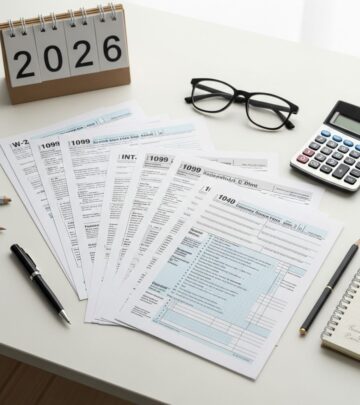
- W-2 forms from all employers
- 1099 forms for interest, dividends, or self-employment income
- 1099-K forms for payments through online marketplaces or payment apps
- Records of business expenses (if self-employed)
- Mortgage interest statements (Form 1098)
- Student loan interest statements
- Charitable contribution documentation
- Medical expense receipts (if itemizing deductions)
Don’t File Before Receiving Key Documents
It’s important to wait until you receive all income and informational documents before filing. The IRS recommends reporting all taxable income on your return. If you file too early and receive additional income documents later, you may need to file an amended return, which can delay processing.
Tax Season Tips for Maximum Refund
File Early in the Season
Filing early can help you receive your refund sooner. The IRS begins accepting returns in late January, giving you several months before the April deadline. By filing in February or March, you can avoid the rush and potential delays.
Use a Trusted Tax Professional
The IRS notes that more than half of all tax returns are expected to be filed this year with the help of a tax professional. Working with a qualified tax pro can help you maximize deductions, avoid errors, and ensure compliance with tax laws. Be cautious of scams and schemes—use only trusted, established tax professionals.
Consider Your Filing Options
You have several options for filing your taxes:
- Free Online Filing: The IRS offers free filing options for eligible taxpayers through IRS Free File
- Tax Software: Many affordable tax software options are available for self-preparation
- Tax Professional: CPAs, enrolled agents, and tax preparers can handle your filing
- IRS Assistance: The IRS provides in-person help at Taxpayer Assistance Centers nationwide
Special Situations and Extensions
Disaster Area Extensions
Taxpayers residing in a federally declared disaster area may have additional time to file and pay federal taxes. If you’ve been affected by a disaster, check the IRS website for information about deadline extensions in your area.
International Taxpayers
U.S. citizens and residents living abroad have an automatic extension to file their tax returns. The deadline for international filers is typically June 15, 2026, with an additional extension available until October 15, 2026, if needed.
Frequently Asked Questions (FAQs)
Q: What is the tax filing deadline for 2025?
A: The federal income tax filing deadline for 2025 tax returns is April 15, 2026. If this date falls on a weekend or holiday, the deadline extends to the next business day.
Q: Can I file my taxes early?
A: Yes, you can file your taxes as soon as you receive your income documents, typically starting in late January 2026. Filing early can help you receive your refund sooner.
Q: What is Form 4868?
A: Form 4868 is an extension request form that allows you to extend your filing deadline to October 15, 2026. However, this extension does not extend the deadline to pay taxes owed, which remain due by April 15, 2026.
Q: How long does it take to receive a refund?
A: Most refunds are issued within 21 days of the IRS receiving your return. However, if you’re eligible for EITC or ACTC, processing may take longer. Use the “Where’s My Refund?” tool to track your refund status.
Q: What documents do I need to file my taxes?
A: You’ll need income documents such as W-2 forms, 1099 forms, and receipts for deductions. Gather all necessary documents before filing to ensure accuracy.
Q: Can I file an extension if I’m not ready?
A: Yes, you can file Form 4868 to request a six-month extension. However, you should still pay any estimated taxes owed by the April 15 deadline to avoid penalties and interest.
Q: What is the deadline for IRA contributions?
A: The deadline to make IRA contributions for the 2025 tax year is April 15, 2026, the same as the tax filing deadline.
Q: When do employers send W-2 forms?
A: Employers are required to send W-2 forms to employees by February 2, 2026. Ensure you receive this document before filing your tax return.
Conclusion
Tax season 2025 presents an opportunity to organize your finances, maximize deductions, and ensure compliance with federal tax laws. By understanding the key dates, gathering necessary documents, and choosing the right filing method, you can navigate the process smoothly. Whether you file early to receive your refund quickly or wait until closer to the deadline, the IRS provides resources and tools to assist you. Remember to report all taxable income, avoid common scams, and consider seeking professional help if needed. With proper planning and preparation, filing your taxes can be straightforward and stress-free.
References
- When to File — Internal Revenue Service. 2025. https://www.irs.gov/filing/individuals/when-to-file
- 2025 Tax Filing Season Starts as IRS Begins Accepting Tax Returns Today — Internal Revenue Service. 2025-01-27. https://www.irs.gov/newsroom/2025-tax-filing-season-starts-as-irs-begins-accepting-tax-returns-today
- Every Tax Deadline You Need To Know — Intuit TurboTax. 2025. https://turbotax.intuit.com/tax-tips/tax-planning-and-checklists/important-tax-deadlines-dates/
- Get Ready to File Your Taxes — Internal Revenue Service. 2025. https://www.irs.gov/individuals/get-ready-to-file-your-taxes
- It’s Not Too Early to Get Ready for the 2026 Tax Season — Internal Revenue Service. 2025-11-26. https://www.irs.gov/newsroom/its-not-too-early-to-get-ready-for-the-2026-tax-season
- IRS to Phase Out Paper Tax Refund Checks Starting with Individual Taxpayers — Internal Revenue Service. 2025. https://www.irs.gov/newsroom/irs-to-phase-out-paper-tax-refund-checks-starting-with-individual-taxpayers
Similar Articles








Read full bio of medha deb