Understanding Tax Obligations When Debts Are Forgiven
Learn how the IRS treats canceled debt as income and explore strategies to minimize your tax liability.
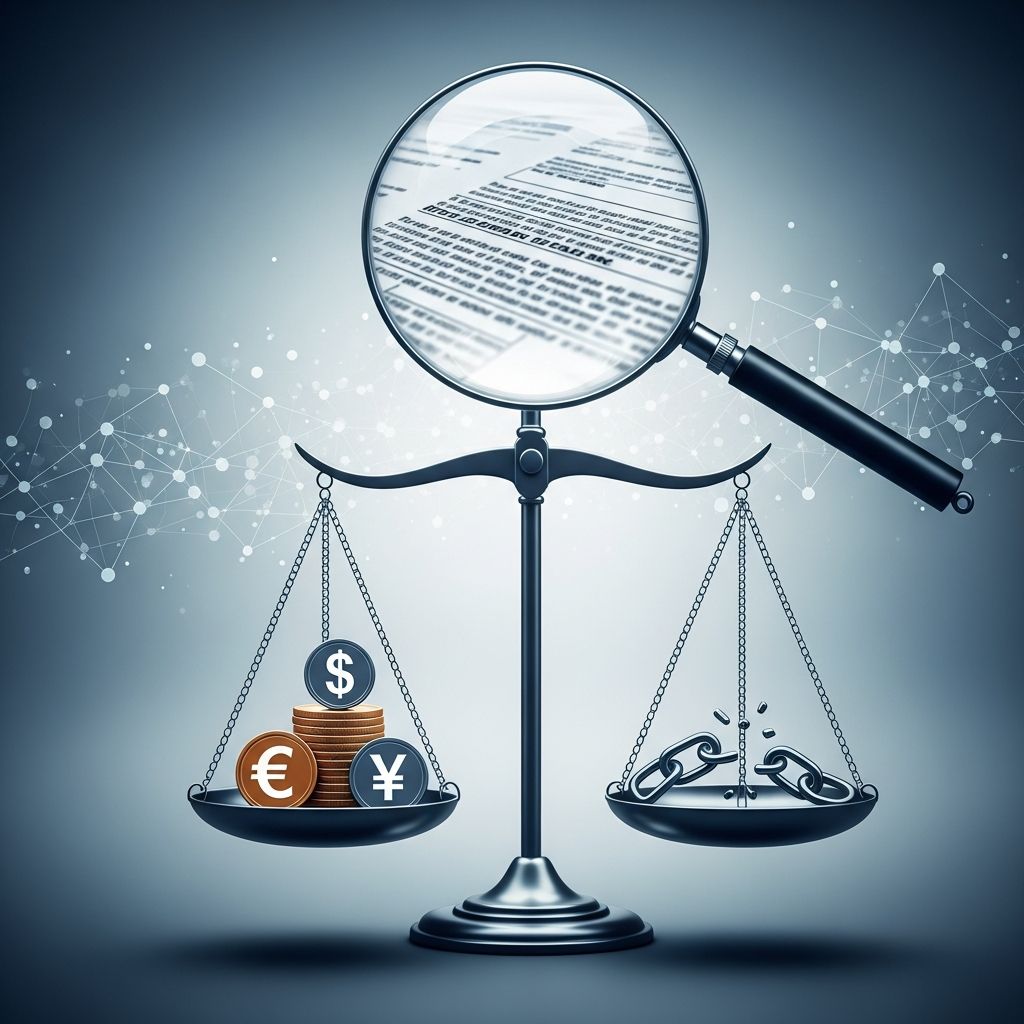
When you negotiate with creditors to settle outstanding debts for less than the full amount owed, you may experience significant financial relief. However, this relief often comes with an unexpected consequence: the IRS may treat the forgiven portion as taxable income. This creates a complex tax situation that many people fail to anticipate when pursuing debt settlement strategies. Understanding how the federal tax system treats canceled debt is essential for anyone considering this financial approach.
How the IRS Classifies Forgiven Debt
The Internal Revenue Service operates under a fundamental principle: when a creditor cancels or forgives a debt obligation, the forgiven amount is considered income to the borrower. This classification applies regardless of whether you actually received cash or simply had a liability reduced. From the IRS perspective, if you owed $10,000 and a creditor accepted $6,000 as complete satisfaction, the $4,000 difference constitutes taxable income that must be reported on your federal tax return.
This treatment differs significantly from paying off debt in full. When you repay borrowed money, no tax consequences arise because you are returning funds that were already taxed or obtained without adverse tax implications. Conversely, canceled debt represents income that the IRS can tax, similar to wages earned or interest accumulated in a savings account. The underlying reasoning is that from a financial perspective, you are in a better position having your debt reduced, and the IRS captures this economic benefit through taxation.
Reporting Requirements and Form 1099-C Documentation
Financial institutions that forgive or write off $600 or more of a debt’s principal amount are required by law to issue Form 1099-C, titled “Cancellation of Debt,” to both the debtor and the IRS. This form serves as the official notification that debt cancellation has occurred and establishes the amount that must be reported as income. The $600 threshold applies specifically to the principal balance forgiven, excluding interest charges and fees.
Even if you receive a Form 1099-C, your reporting obligations don’t end there. You must reconcile the amount shown on the form with your own records of the settlement to ensure accuracy. If discrepancies exist between what you recorded and what the creditor reports, the IRS may investigate the difference. Additionally, you are required to report canceled debt on your federal tax return using Schedule 1: Adjustments to Income and Additional Income, entering the canceled debt total on line 8c.
Importantly, canceled debt below the $600 threshold may not generate a Form 1099-C, but you still bear the responsibility to report it as income when filing your tax return. Failure to report canceled debt can result in penalties and interest charges from the IRS, as the agency cross-references reported 1099-C forms against submitted tax returns to identify unreported income.
Calculating Your Tax Liability on Canceled Debt
The amount of taxes you owe on canceled debt depends primarily on your marginal tax rate, which is determined by your income level and filing status. The federal tax system uses progressive tax brackets ranging from 10% to 37%, with the applicable rate depending on your total taxable income. When you add canceled debt income to your existing income, you calculate taxes based on this combined total.
Consider a practical example: if you earn $75,000 annually as a single filer and settle $5,000 in credit card debt for $1,500, the IRS counts the $3,500 forgiveness as additional income, bringing your total income to $78,500. Your marginal tax rate of 22% would apply to this additional income, resulting in approximately $770 in federal income taxes owed on the canceled debt alone. The exact amount depends on your specific tax situation, but this calculation illustrates the basic methodology.
| Canceled Debt Amount | Tax Bracket (22%) | Estimated Tax Owed |
|---|---|---|
| $5,000 | 22% | $1,100 |
| $10,000 | 22% | $2,200 |
| $20,000 | 24% | $4,800 |
| $50,000 | 32% | $16,000 |
One critical consequence of adding canceled debt income is potential bracket creep. If the additional income pushes you into a higher tax bracket, all income within that new bracket faces taxation at the higher rate, not just the canceled debt portion. This amplifies the total tax burden beyond simple calculations based on your previous tax rate.
Primary Exceptions to Canceled Debt Taxation
The IRS recognizes specific circumstances where canceled debt does not qualify as taxable income, even though the debt was technically forgiven. Understanding these exceptions is crucial because they can eliminate or substantially reduce your tax liability.
Bankruptcy Discharge
Debt that is canceled through Chapter 7, 11, or 13 bankruptcy proceedings is entirely exempt from taxation. The policy rationale recognizes that bankruptcy serves a distinct legal purpose of providing financial relief to debtors in dire circumstances. Approximately 40% of people who pursue debt settlement qualify for bankruptcy protection, which would make canceled debt non-taxable.
Insolvency Considerations
If your total liabilities exceed your total assets at the time debt is canceled, you may qualify for an insolvency exclusion by filing IRS Form 982. This provision allows you to exclude canceled debt from taxable income to the extent that you were insolvent. For example, if you had $100,000 in debts and only $60,000 in assets (making you $40,000 insolvent), up to $40,000 in canceled debt could potentially be excluded from taxable income.
Qualified Agricultural Debt
Farmers who have specific types of agricultural indebtedness canceled may qualify for an exclusion from taxation. This exception recognizes the unique financial challenges facing agricultural operations.
Real Property Business Indebtedness
Canceled debt related to qualified real property used in a business context may be excludable from taxable income under certain circumstances.
Principal Residence Indebtedness
Debt discharged on a principal residence between 2007 and 2025 may qualify for exclusion from taxable income, though this provision is scheduled to expire after December 31, 2025.
Strategic Planning to Minimize Tax Impact
While you cannot escape tax obligations on canceled debt unless specific exceptions apply, several planning strategies can help minimize your overall tax burden. Timing your debt settlement to coincide with lower-income years can reduce the amount of taxes owed because the canceled debt will be taxed at a lower marginal rate. If you have discretion over when to settle debts, postponing settlement until a year when you expect reduced income may produce significant tax savings.
Additionally, consulting with a tax professional before finalizing debt settlement negotiations allows you to estimate your tax liability in advance. This preparation enables you to set aside funds for estimated tax payments and avoid surprises during tax season. Some tax professionals can also identify opportunities to offset canceled debt income through deductions or other tax strategies available in your specific situation.
Potential Impact on State and Local Taxes
Federal income tax is not the only tax consideration associated with canceled debt. Some states impose state income taxes that may also be affected by canceled debt income. The treatment varies significantly by state, with some states conforming to federal treatment of canceled debt as income, while others apply different rules. Residents of states with significant state income tax burdens should research their specific state’s position on canceled debt taxation.
Frequently Asked Questions
Do I need to report canceled debt if I don’t receive a Form 1099-C?
Yes. You are required to report all canceled debt on your tax return regardless of whether a Form 1099-C is issued. The $600 threshold determines reporting requirements for creditors, not your reporting obligations as a taxpayer.
What if the canceled debt amount on the 1099-C doesn’t match my records?
Reconcile the discrepancy immediately by contacting the creditor. If the creditor acknowledges an error, request a corrected 1099-C. Keep documentation of all settlement agreements and communications.
Can I deduct expenses related to debt settlement?
Generally, debt settlement fees are not deductible. However, consulting a tax professional about your specific circumstances is advisable, as certain professional expenses may qualify for deduction in limited situations.
How does canceled debt affect my eligibility for certain tax credits?
Additional income from canceled debt can affect eligibility for income-based tax credits and subsidies. Review the income limitations for credits like the Earned Income Tax Credit or health insurance subsidies to understand potential impacts.
Key Takeaways for Debt Settlement Planning
- The IRS treats canceled debt as ordinary income in most circumstances
- Creditors must issue Form 1099-C for forgiven debt exceeding $600 in principal
- Your tax rate depends on marginal tax bracket, potentially ranging from 10% to 37%
- Canceled debt income may push you into a higher tax bracket, increasing your overall tax burden
- Bankruptcy discharge, insolvency, and certain agricultural and real property debts may qualify for exclusions
- Strategic timing of settlements can minimize tax consequences
- Professional tax guidance before settlement helps estimate liability accurately
Moving Forward with Debt Settlement Decisions
Debt settlement can provide meaningful financial relief when you are struggling with unmanageable debt obligations. However, the tax consequences represent a significant factor that must be weighed carefully in your decision-making process. By understanding how the IRS treats canceled debt, recognizing available exceptions, and planning strategically, you can make informed decisions about pursuing debt settlement without encountering unexpected tax complications. The investment in understanding these tax implications and potentially consulting with a tax or financial professional can result in substantial savings and prevent unpleasant surprises when tax season arrives.
References
- Tax Consequences of Settling Debt — Nolo. 2024. https://www.nolo.com/legal-encyclopedia/tax-consequences-settled-forgiven-debt-29792.html
- Topic no. 431, Canceled debt – Is it taxable or not? — Internal Revenue Service. 2025. https://www.irs.gov/taxtopics/tc431
- Tax Consequences Of Debt Settlement (A Simple Guide) — Americor. 2025. https://americor.com/blog/credit-card-debt-loans/tax-consequences-of-debt-settlement/
- How to Avoid Paying Taxes on Debt Settlement: Key Strategies — National Debt Relief. 2025. https://www.nationaldebtrelief.com/blog/financial-wellness/taxes/how-to-avoid-paying-taxes-on-debt-settlement-key-strategies/
- Tax implications of settlements and judgments — Internal Revenue Service. 2024. https://www.irs.gov/government-entities/tax-implications-of-settlements-and-judgments
Similar Articles








Read full bio of Sneha Tete