How Tax Obligations Impact Your Credit Profile
Understanding the indirect ways tax debt affects your creditworthiness and financial future
The relationship between your tax responsibilities and credit score is more nuanced than many people realize. While the Internal Revenue Service (IRS) maintains a separate reporting system from consumer credit bureaus, the consequences of failing to meet your tax obligations can have serious repercussions for your creditworthiness and financial standing. Understanding this connection is essential for protecting your long-term financial health.
The Direct versus Indirect Tax-Credit Connection
A common misconception is that unpaid taxes immediately damage your credit score through direct reporting channels. This is not accurate. The IRS operates independently from the three major credit reporting agencies—Equifax, Experian, and TransUnion—and does not furnish tax payment information to these bureaus. Your credit score is calculated based on data specifically reported by lenders, creditors, and collection agencies, not by tax authorities.
However, this distinction between direct and indirect impact is crucial. While your credit report won’t show a notation that you owe back taxes, the enforcement actions the IRS takes to collect unpaid taxes can significantly damage your creditworthiness. These secondary effects create a cascade of financial problems that can make borrowing more difficult and expensive.
The Role of Tax Liens in Credit Deterioration
One of the most significant ways tax debt affects your credit involves the filing of a Notice of Federal Tax Lien. When you fail to pay your tax obligation despite IRS notices and collection efforts, the tax authority may place a lien against your property. This legal claim gives the IRS priority access to your assets if you default further.
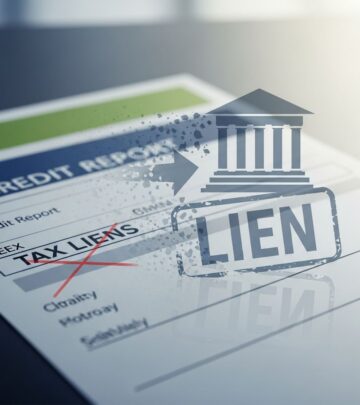
Historically, tax liens appeared directly on credit reports, serving as a major red flag to potential creditors. In recent years, the three major credit bureaus began removing many tax liens from consumer credit reports, particularly those lacking complete identifying information such as a Social Security number or date of birth. However, even when a tax lien doesn’t appear on your credit file, it remains part of public records accessible to creditors during the application review process.
The duration of a tax lien’s impact extends far beyond the initial filing. Even after you pay the lien in full, the record can remain on your credit report for up to seven years, creating long-term consequences for your ability to access credit at favorable rates.
Income Reduction Through Wage Garnishment
Beyond liens, the IRS possesses powerful collection tools that indirectly damage your credit profile. When standard collection efforts fail, the agency can implement wage garnishment, directly reducing your paycheck to satisfy your tax debt. This enforcement action affects your creditworthiness in multiple ways.
First, wage garnishment reduces your disposable income, making it more difficult to maintain regular payments on existing credit obligations. If you’re unable to pay your current bills because a portion of your income is diverted to tax collection, you may fall behind on credit card payments, loan obligations, or mortgage payments. These delinquencies then appear on your credit report and significantly lower your score.
Second, wage garnishment increases your debt-to-income ratio, a key metric that lenders use to evaluate your financial health and creditworthiness. When a larger portion of your monthly income goes toward debt repayment (including the tax levy), creditors view you as a higher-risk borrower. This can result in denial of new credit applications, higher interest rates, or reduced credit limits on existing accounts.
Other IRS Collection Actions and Their Credit Consequences
The IRS has several collection tools beyond wage garnishment that can indirectly harm your credit. Bank account levies allow the agency to seize funds directly from your financial accounts to cover tax debts. Property seizures enable the IRS to take and sell assets such as vehicles to satisfy obligations. These actions further reduce your available resources and income, making it harder to maintain payments on your credit accounts.
Additionally, the IRS may hire private debt collection agencies to pursue unpaid taxes. When a third-party collector becomes involved, the debt may be reported to credit bureaus as a collection account, which significantly damages your credit score. This addition to your credit report typically impacts your score more severely than the original tax debt itself.
The Payment Method Problem
An often-overlooked way that taxes can affect your credit involves how you choose to pay a large tax bill. If you’re facing an unexpected substantial tax liability and lack cash reserves, you might consider paying with a credit card or taking out a personal loan. While this addresses your immediate tax obligation, it creates new credit problems.
Using a credit card for tax payments can dramatically increase your credit utilization ratio—the percentage of your available credit that you’re actively using. High utilization ratios signal to creditors that you’re financially overextended and reduce your credit score. If you carry a balance on that credit card, you’ll also incur interest charges that compound your financial burden. Taking out a personal loan to cover tax debt similarly increases your debt obligations and can lower your score due to the new account inquiry and increased debt levels.
Impact on Major Financial Transactions
The presence of a tax lien or the effects of unpaid taxes on your credit profile create obstacles when pursuing significant financial goals. Mortgage lenders conduct thorough background checks that include public record searches, and they will discover any liens on your property. Even though the lien may not appear on your credit report, lenders can consider it during the approval process, potentially resulting in denial of your application or significantly higher interest rates.
Similarly, selling property becomes complicated when a tax lien is attached. The IRS must be paid from the proceeds of any sale before you receive your equity, effectively reducing the financial benefit of selling the property. Refinancing existing mortgages also becomes more difficult, as lenders will hesitate to refinance when the IRS has a superior claim against the property.
Interest and Penalties Compound the Problem
When you don’t pay taxes on time, the IRS assesses penalties and interest on the unpaid amount. This compounding debt grows larger with each passing month, making the original obligation increasingly difficult to pay. The larger your tax debt becomes, the more serious the collection actions the IRS will pursue, and the greater the damage to your creditworthiness.
This escalating debt cycle can become particularly problematic when combined with existing financial obligations. If you’re already carrying credit card balances, student loan debt, or mortgage payments, an unpaid tax bill can push you toward a debt level that makes it virtually impossible to qualify for new credit or maintain existing credit accounts at reasonable rates.
Prevention and Resolution Strategies
The most effective approach to protecting your credit profile involves managing your tax obligations proactively. If you anticipate difficulty paying your full tax bill, the IRS offers several options that avoid the most damaging collection actions:
- Payment Plans: The IRS allows you to set up an installment agreement to pay your tax debt over time. While this doesn’t prevent interest and penalties from accruing, it demonstrates good faith effort to pay and prevents the filing of a tax lien in many cases.
- Offer in Compromise: If your financial circumstances make paying the full amount impossible, you may qualify for an Offer in Compromise, which allows settlement of your tax debt for less than the full amount owed. Successfully negotiating this arrangement prevents a lien from remaining on your record.
- Currently Not Collectible Status: If you’re experiencing severe financial hardship, the IRS may place your account in Currently Not Collectible status, temporarily suspending collection efforts while interest and penalties continue to accrue.
- Full Payment: If possible, paying your tax bill in full resolves the debt immediately. The IRS will release any filed lien within 30 days, though the historical record may persist on your credit report for up to seven years.
Protecting Your Credit While Managing Tax Debt
If you already have unpaid taxes, taking immediate action protects your credit from further deterioration. Contact the IRS directly to discuss your options rather than ignoring notices. The longer you wait, the more collection actions escalate and the greater the damage to your creditworthiness.
Simultaneously, focus on maintaining perfect payment history with your other credit obligations. Even with a tax lien or collection action, demonstrating responsible management of your remaining credit accounts can help minimize the overall damage to your credit score and signal to future creditors that your tax situation is an isolated problem rather than a pattern of financial mismanagement.
Frequently Asked Questions
Does owing back taxes show on my credit report?
The IRS does not report tax debt directly to credit bureaus. However, if a Notice of Federal Tax Lien is filed, it may appear as a public record that creditors can discover, though the major bureaus have removed many liens from credit files in recent years.
How long does a tax lien stay on your credit?
If a tax lien appears on your credit report, it can remain for up to seven years even after being paid. Unpaid tax liens can persist for as long as 15 years.
Can I get a mortgage with unpaid taxes?
Obtaining a mortgage with unpaid taxes is extremely difficult. Lenders conduct public record searches and discover tax liens, making approval unlikely. Setting up a payment plan with the IRS improves your chances, though lenders may still require proof that you’re current on payments.
Will a payment plan with the IRS hurt my credit?
An IRS payment plan does not directly appear on your credit report, but it can indirectly affect your credit by increasing your debt-to-income ratio, making it harder to qualify for new credit.
What’s the difference between a tax lien and a tax levy?
A tax lien is a legal claim against your property, giving the IRS priority if you default further. A tax levy is an action the IRS takes to collect the debt, such as wage garnishment, bank account seizure, or property seizure.
Moving Forward With Your Credit and Tax Situation
Understanding how tax obligations indirectly affect your credit empowers you to make better financial decisions. While the IRS won’t report directly to credit bureaus, the enforcement actions resulting from unpaid taxes create substantial collateral damage to your creditworthiness. The key to protecting your credit profile is addressing tax issues promptly through available payment or settlement options before collection actions escalate.
References
- Can Not Paying My Taxes Hurt My Credit? — Experian. 2024. https://www.experian.com/blogs/ask-experian/can-unpaid-taxes-hurt-my-credit/
- Does Owing the IRS Affect Your Credit Score? — Community Tax. 2024. https://www.communitytax.com/tax-blog/does-owing-the-irs-affect-your-credit-score/
- Do Delinquent Property Taxes Affect Credit Score? — KeyBank. 2024. https://www.key.com/personal/financial-wellness/articles/impact-of-unpaid-taxes.html
- 3 Worrying Ways Your Taxes Can Affect Your Credit Score — Fundbox. 2024. https://fundbox.com/blog/3-worrying-ways-taxes-can-affect-credit-score/
- Video: Does Owing the IRS Affect Your Credit Score? — TurboTax/Intuit. 2024. https://turbotax.intuit.com/tax-tips/tax-payments/video-does-owing-the-irs-affect-your-credit-score/
- Topic no. 201, The collection process — Internal Revenue Service. U.S. Department of the Treasury. 2024. https://www.irs.gov/taxtopics/tc201
- Does IRS Debt Show on Your Credit Report? — H&R Block. 2024. https://www.hrblock.com/tax-center/lifestyle/financial-education/taxes-affect-credit-score/
Similar Articles








Read full bio of medha deb