Tariffs: Definition, Types, and Economic Impact
Understanding tariffs: How taxes on imports shape global trade and economies.
What Is a Tariff?
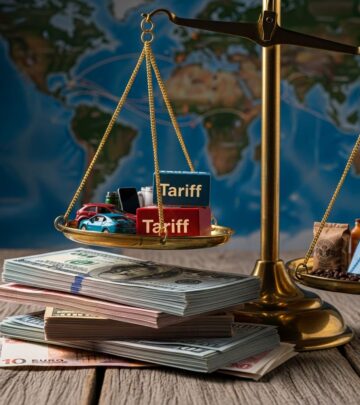
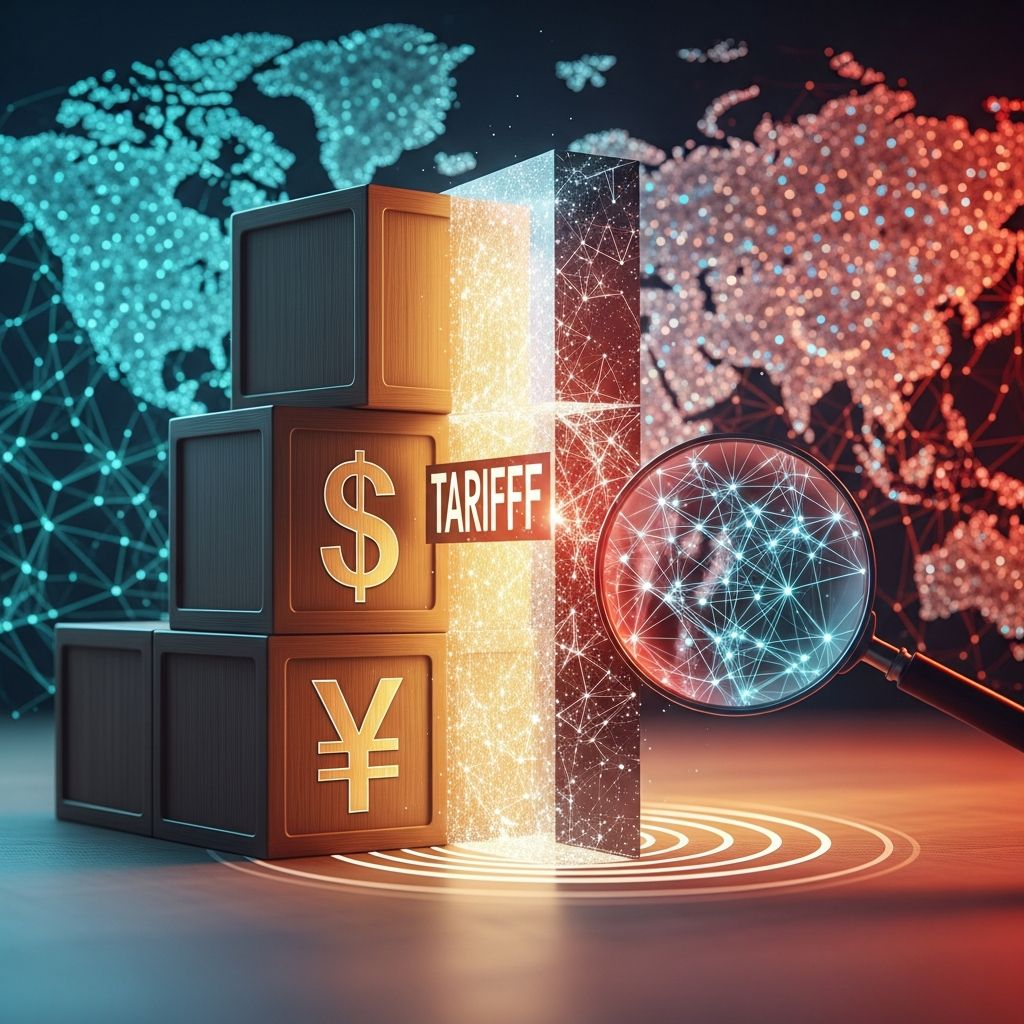
A tariff is a tax imposed on imported goods and services that cross international borders. Governments implement tariffs as a form of trade protection to regulate the flow of foreign products into their domestic markets. The term “tariff” comes from the Arabic word “ta’rif,” meaning “to inform” or “to make known,” reflecting its historical use as a schedule of duties.
When a foreign company sells products to a domestic consumer, the government collects a tariff—essentially a tax—on that transaction. This tariff increases the cost of imported goods, making them more expensive compared to domestically produced alternatives. Tariffs serve multiple purposes in international trade policy, from protecting domestic industries to generating government revenue and negotiating trade relationships.
How Tariffs Work
Tariffs operate through a straightforward mechanism: when goods cross a country’s border, customs officials assess the tariff based on the product’s classification and origin. The importer or exporter pays this tax, which raises the final price consumers pay for imported products.
For example, if a pair of shoes manufactured in Vietnam costs $50 at the factory gate and the importing country imposes a 20% tariff, the tariff adds $10 to the import cost. This increased price can make domestic shoes more competitive, even if they cost more to produce.
The tariff revenue collected by the government can be substantial. According to U.S. International Trade Commission data, tariff collections have varied significantly based on policy changes, ranging from billions to tens of billions of dollars annually depending on the scope and rate of tariffs imposed.
Types of Tariffs
Tariffs come in several distinct varieties, each serving different policy objectives:
Ad Valorem Tariffs
Ad valorem tariffs are calculated as a percentage of the imported product’s value. If a country imposes a 15% ad valorem tariff on automobiles, the tariff on a $30,000 car would be $4,500. This type of tariff is the most common internationally because it scales automatically with product price changes, making it predictable and relatively transparent.
Specific Tariffs
Specific tariffs are fixed amounts charged per unit, regardless of the product’s value. For instance, a government might impose $2 per pound on imported coffee or $100 per ton on steel. This approach is straightforward but can become problematic when product prices fluctuate significantly, potentially making the tariff either too high or too low relative to the product’s actual value.
Compound Tariffs
Compound tariffs combine both ad valorem and specific elements. A country might charge 10% of the product’s value plus $5 per unit. This hybrid approach attempts to capture the benefits of both methods, providing revenue stability while scaling with product value changes.
Sliding Scale Tariffs
Sliding scale tariffs adjust automatically based on market prices. When prices rise, the tariff increases; when prices fall, the tariff decreases. This mechanism helps stabilize domestic prices and protects farmers and producers from extreme price fluctuations in commodities.
Reasons Governments Impose Tariffs
Countries implement tariffs for several interconnected economic and political reasons:
- Protecting Domestic Industries: Tariffs shield domestic producers from foreign competition, allowing nascent or struggling industries to develop without facing cheaper imports. This protectionist strategy is particularly common in developing nations building manufacturing capacity.
- Generating Government Revenue: Before income taxes became prevalent, tariffs were the primary revenue source for governments. Many developing countries still rely on tariff revenue to fund government operations and public services.
- Addressing Trade Imbalances: Countries with trade deficits sometimes impose tariffs to reduce imports and encourage domestic consumption of locally produced goods, aiming to narrow the gap between exports and imports.
- National Security: Governments may impose tariffs on strategic industries—such as defense, semiconductors, or energy—to ensure domestic production capacity and reduce dependence on potentially unreliable foreign suppliers.
- Retaliatory Measures: When trading partners impose unfair tariffs or engage in protectionist practices, countries often respond with counter-tariffs to pressure negotiations and restore trade balance.
- Supporting Labor: Tariffs can protect manufacturing jobs by making imported products more expensive, though economists debate the long-term effectiveness of this approach.
Economic Effects of Tariffs
Tariffs create complex economic ripple effects throughout the economy:
Consumer Impact
The most direct effect is higher prices for imported goods. Consumers pay more for foreign products, reducing purchasing power and potentially affecting their standard of living. Studies show that tariffs disproportionately impact lower-income households that spend a larger percentage of income on consumer goods.
Domestic Producer Impact
Protected industries initially benefit from reduced foreign competition and higher prices. However, long-term reliance on tariff protection can reduce innovation incentives, as domestic firms face less competitive pressure to improve efficiency or develop new products.
Employment Effects
Tariffs may protect jobs in protected industries short-term. However, downstream industries using these products face higher input costs, potentially reducing employment in those sectors. The net employment effect is often neutral or negative over time.
Trade Retaliation
When one country imposes tariffs, trading partners often retaliate with counter-tariffs on that country’s exports. This can trigger trade wars that reduce overall trade volumes, harming exporters and reducing economic growth globally.
Tariff Schedules and Classification
Governments maintain detailed tariff schedules—comprehensive lists specifying the tariff rate for thousands of different products. In the United States, the Harmonized Tariff Schedule (HTS) contains thousands of product categories, each with assigned duty rates.
Products are classified using the Harmonized System (HS), an international standardized system developed by the World Customs Organization. This system ensures consistency in tariff classification across countries, facilitating international trade by providing clarity on applicable rates.
Trade Agreements and Tariff Reduction
Most modern international trade occurs under bilateral or multilateral trade agreements that reduce tariffs. The World Trade Organization (WTO), established in 1995, facilitates negotiations to lower tariff barriers and establish rules for fair trade.
Major trade agreements include:
- Free Trade Agreements (FTAs): Bilateral or regional agreements that eliminate or substantially reduce tariffs between participating countries, such as the United States-Mexico-Canada Agreement (USMCA).
- Preferential Trade Arrangements: Special agreements offering reduced tariffs to developing nations to promote economic growth and trade partnership.
- Most Favored Nation (MFN) Status: WTO members grant each other MFN status, ensuring non-discriminatory tariff treatment and preventing any member from receiving worse conditions than another WTO member.
Tariff Strategies and Policy Tools
Beyond standard tariffs, governments employ related policy instruments:
Tariff Rate Quotas (TRQs)
TRQs allow a certain quantity of goods to enter at a low tariff rate, with higher rates applied to quantities exceeding the quota. This provides flexibility in trade policy while maintaining some protection.
Dumping Duties
When foreign producers sell products below cost or below prices in their home markets, importing countries impose anti-dumping duties to protect domestic industries from unfair competition.
Countervailing Duties
These tariffs offset subsidies provided by foreign governments to their producers, leveling the competitive playing field.
Historical Tariff Trends
Global tariff rates have generally declined over the past seven decades. The average applied tariff rate worldwide has fallen from approximately 26% in the 1970s to around 7% currently, according to World Bank data. This decline reflects the success of WTO negotiations and increasing recognition of the benefits of open trade.
However, recent years have witnessed rising protectionist sentiment, with several countries implementing significant new tariffs. The tariff environment remains dynamic, influenced by political considerations, trade disputes, and changing economic circumstances.
Frequently Asked Questions
Q: What is the difference between tariffs and quotas?
A: Tariffs are taxes on imported goods, while quotas are limits on the quantity of goods that can be imported. Tariffs increase prices; quotas restrict quantity. Both protect domestic producers but operate through different mechanisms.
Q: Who pays tariffs?
A: While the importer officially pays the tariff to customs authorities, the cost is typically passed to consumers through higher prices. In some cases, foreign exporters may absorb tariff costs to remain competitive.
Q: Can tariffs help reduce trade deficits?
A: Tariffs may temporarily reduce imports, but economic theory and evidence suggest they rarely achieve sustained trade deficit reduction. Trade deficits result from broader economic factors including exchange rates, savings rates, and investment patterns.
Q: What are “infant industry” tariffs?
A: Infant industry tariffs temporarily protect new domestic industries from foreign competition, allowing them to develop competitiveness before tariff removal. However, these industries sometimes become dependent on protection rather than becoming competitive.
Q: How do tariffs affect small businesses?
A: Small businesses importing materials or finished goods face higher input costs, potentially reducing profitability. Conversely, small domestic producers may benefit from reduced foreign competition, though this benefit often diminishes if trading partners impose retaliatory tariffs.
References
- World Trade Organization (WTO) – Tariffs — WTO Secretariat. Accessed 2025. https://www.wto.org/english/tratop_e/tariffs_e/tariffs_e.htm
- U.S. International Trade Commission – Tariff Information Center — U.S. International Trade Commission. 2024. https://www.usitc.gov/
- World Bank – Trade Statistics — World Bank Group. 2024. https://data.worldbank.org/topic/11
- Harmonized System (HS) Classification — World Customs Organization. Updated 2024. https://www.wcoomd.org/
- IMF – Trade Policy and Global Economic Integration — International Monetary Fund. 2023. https://www.imf.org/
Similar Articles








Read full bio of medha deb