Tampon Alternatives to Get You Through the Shortage
Discover cost-effective, safe tampon alternatives like cups, discs, and period underwear to navigate shortages and save money long-term.
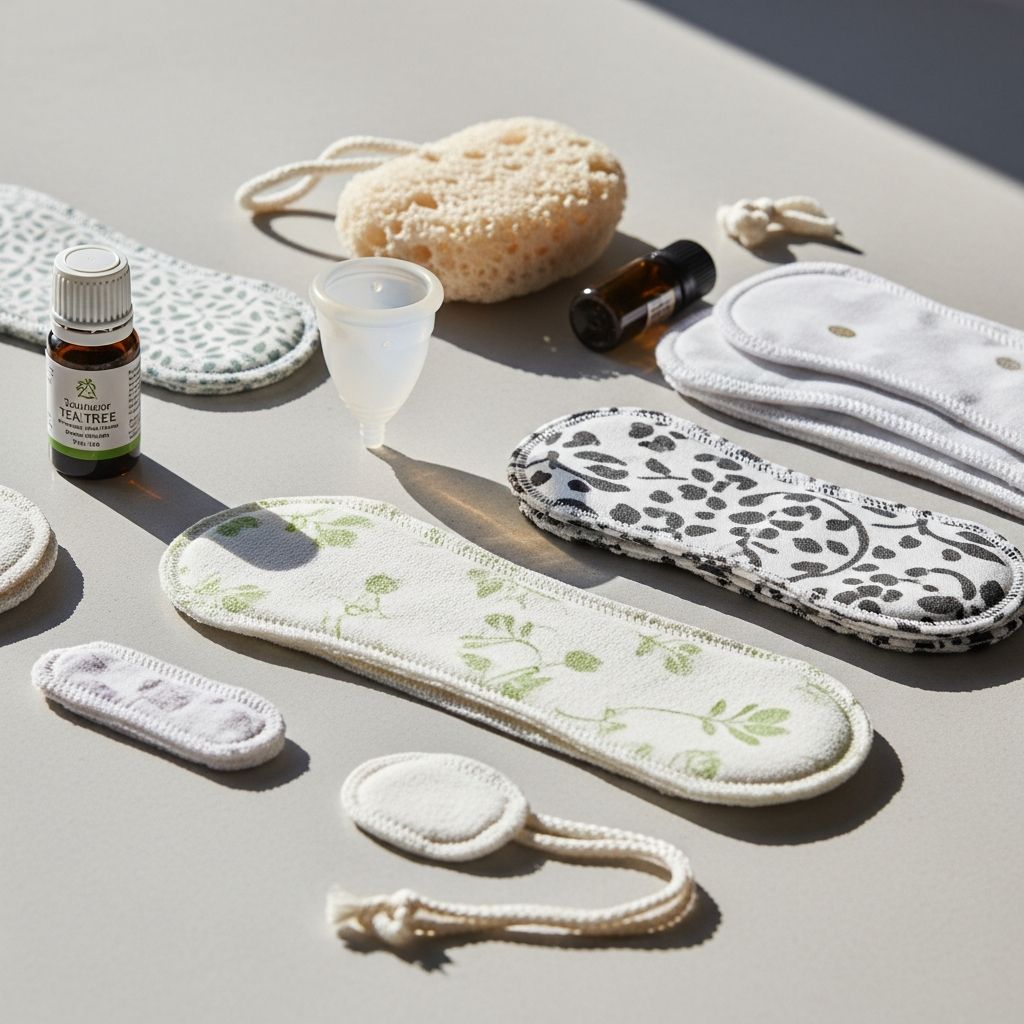
You’ve likely noticed tampon prices rising by about 10%, with shelves emptying out and online stock vanishing. Driving store-to-store amid high gas prices only adds to the frustration. This guide explores robust tampon alternatives to help you manage the shortage while potentially saving money long-term—some options like menstrual cups can cut costs by up to $100 annually even in normal times.
Period products are essential, yet menstruating individuals spend thousands over a lifetime—estimates range from $6,000 in urban areas to $12,000 in rural ones due to accessibility issues. Reusable options offer relief, reducing both expenses and environmental impact. We’ve analyzed five key alternatives, comparing costs, safety, and usability to empower your choice.
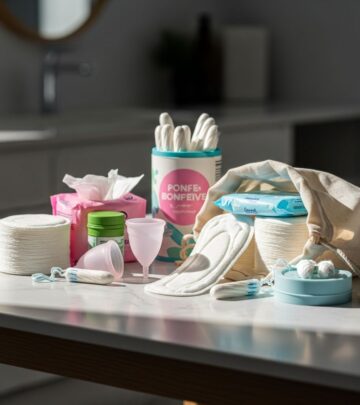
5 Tampon Alternatives
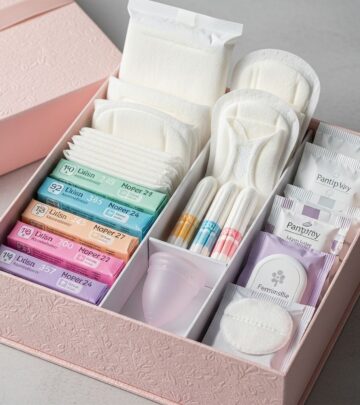
Here are the top five tampon alternatives, ranked by long-term cost-effectiveness. Each provides reliable protection, with reusables paying off after initial investment. A standard 36-count box of Tampax tampons costs around $30 on Amazon, requiring 12-24 per four-day period (replaced every 4-8 hours per FDA guidelines). That’s roughly $7.50-$15 per cycle—multiplied over years, reusables shine.
1. Menstrual Cups
Menstrual cups are bell-shaped silicone or rubber devices inserted into the vagina to collect flow. Brands like Lunette, DivaCup, or Flex offer durable options lasting 10+ years with proper care. Initial cost: $20-$40.
Cost Savings: Break-even by month three. For a four-day period using 3-6 tampons daily, you spend $7.50-$15 monthly on disposables. A $30 cup pays for itself after two cycles, saving $10-$20 by month three and hundreds over a decade. Lifetime savings could exceed $1,000.
Pros:
- Collects more flow (up to 5-6 teaspoons) than tampons absorb.
- Reusable for 10-12 hours per use; empty 2-3 times daily.
- Lower TSS risk than tampons, as they don’t absorb moisture that breeds bacteria.
- Eco-friendly: one cup replaces thousands of tampons.
Cons: Learning curve for insertion/removal; not ideal for very light flows. Boil between cycles for sterilization.
Medical-grade silicone ensures safety when cleaned properly. Studies confirm cups are as safe as tampons, with added benefits for heavy flows.
2. Menstrual Discs
Discs are saucer-shaped, rimmed inserts that sit higher (near cervix) for mess-free collection. Brands: Lumma, Flex, Cora, Hello Disc ($35-$40 each; cheaper on Amazon).
Cost Savings: Reusable for 2-3 years, they’re cost-effective vs. tampons. One disc handles heavy flows equivalent to 5 tampons; replace less often than cups per some guidelines. Initial $35 investment offsets after 3-4 cycles.
Pros:
- Comfortable for IUD users or sex during periods (some are designed for it).
- Leak-proof rim; holds more than cups.
- Easy to insert with practice; no stem like cups.
Cons: Shorter lifespan (2-3 years vs. cups’ decade); higher upfront cost. Change every 12 hours.
Safe medical-grade materials reduce bacterial risk compared to absorbent tampons.
3. Period Underwear
Period underwear features absorbent gussets mimicking tampons/pads. Brands: Knix, Thinx, Proof ($12-$38/pair). Budget pick: Innersy 3-pack for $22.
Cost Savings: Buy 5-7 pairs ($100-$200 initial) for a cycle without washing daily. Amortized over 2-5 years, cheaper than $15/month tampons. Saves $750 over five years vs. disposables.
Pros:
- Absorbs 2-4 tampons’ worth; wear like regular undies.
- Discreet, no bulk; machine-washable.
- Sustainable: reduces landfill waste dramatically.
Cons: Needs multiple pairs or daily washing; not for swimming. Air-dry to preserve absorbency.
| Brand | Price per Pair | Absorbency |
|---|---|---|
| Knix | $25-$38 | Heavy flow |
| Thinx | $20-$34 | Medium-Heavy |
| Innersy (3-pack) | $7.33 | Medium |
Safe for sensitive skin; antimicrobial layers prevent odor.
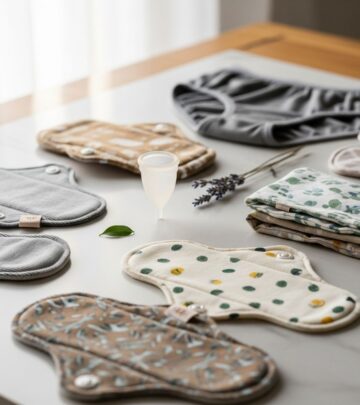
4. Cloth Pads
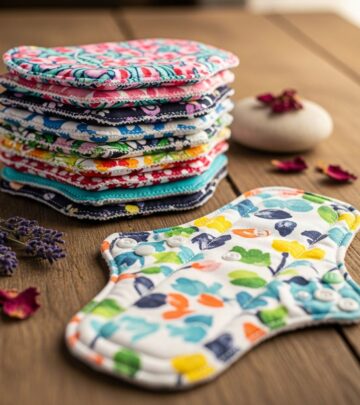
Reusable pads from cotton, bamboo, hemp (Aisle, GladRags, $12-$20 each). Snaps onto underwear; vibrant patterns available.
Cost Savings: Buy 4-6 ($50-$100 set) lasting years. Breathable fabrics cut irritation costs. Payoff after 6-12 months.
Pros:
Cons: Washing required (hand or machine); visible lines possible. No swimming.
5. Disposable Pads
Short-term cheapest: 32-48 count packs $7-$10. Brands like Cora, Joni offer sustainable disposables.
Cost Savings: Lowest upfront ($0.15-$0.30 each) but ongoing expense. Best for transition.
Pros: Familiar, accessible; organic options available.
Cons: Wasteful long-term; potential leaks if not changed often.
1. Tampon Alternatives are (Mostly) Cost Effective
Most reusables save money quickly. Cups/discs: immediate after 2-4 cycles. Underwear/cloth: 6-12 months. Avoid shortage hunts saving gas. Lifetime: reusables cut $6,000-$13,000 totals. Disposable pads win short-term only.
2. Tampon Alternatives are Safe
Made from medical-grade silicone/plastic or natural fibers, reusables harbor less bacteria than absorbent tampons (TSS risk lower). Cups/discs don’t dry vaginal walls; cloth breathable. Follow care: clean thoroughly. FDA-regulated like tampons; sponges riskier (avoid due to unregulated particles). CDC notes proper use makes all safe.
Frequently Asked Questions (FAQs)
Q: How much can I save with a menstrual cup?
A: Up to $100/year; break-even in 2-3 months vs. tampons.
Q: Are menstrual discs better than cups?
A: Discs suit heavy flows/IUDs; cups last longer. Both safe, cost-effective.
Q: Can period underwear replace tampons fully?
A: Yes for most; buy multiples for convenience. Eco-win.
Q: Are cloth pads hygienic?
A: Yes, if washed properly; gentler on skin than disposables.
Q: What about TSS risk with alternatives?
A: Lower than tampons; change as directed.
Switching empowers you through shortages and beyond—saving money, health, and planet.
References
- Tampon Alternatives to Get You Through the Shortage — The Penny Hoarder. 2023. https://www.thepennyhoarder.com/save-money/tampon-alternatives/
- Comparing Different Menstrual Products — Aisle. 2023. https://periodaisle.com/blogs/all/comparing-different-menstrual-products-pads-tampons-menstrual-cups-and-period-underwear
- Tampons Vs Pads Vs Other Menstrual Products — HSA Store. 2024. https://hsastore.com/learning-center/articles/learn-tampons-vs-pads
- 5 Alternative Menstrual Products to Tampons and Pads — FSA Store. 2024. https://fsastore.com/articles/learn-tampon-and-pad-alternatives.html
- Alternative Menstrual Products — Arizona Gynecology. 2023. https://azgyn.com/blog/alternative-menstrual-products/
Similar Articles








Read full bio of medha deb