SWOT Analysis: Strategic Planning Framework
Master SWOT analysis to assess strengths, weaknesses, opportunities, and threats for strategic business planning.
What Is SWOT Analysis?
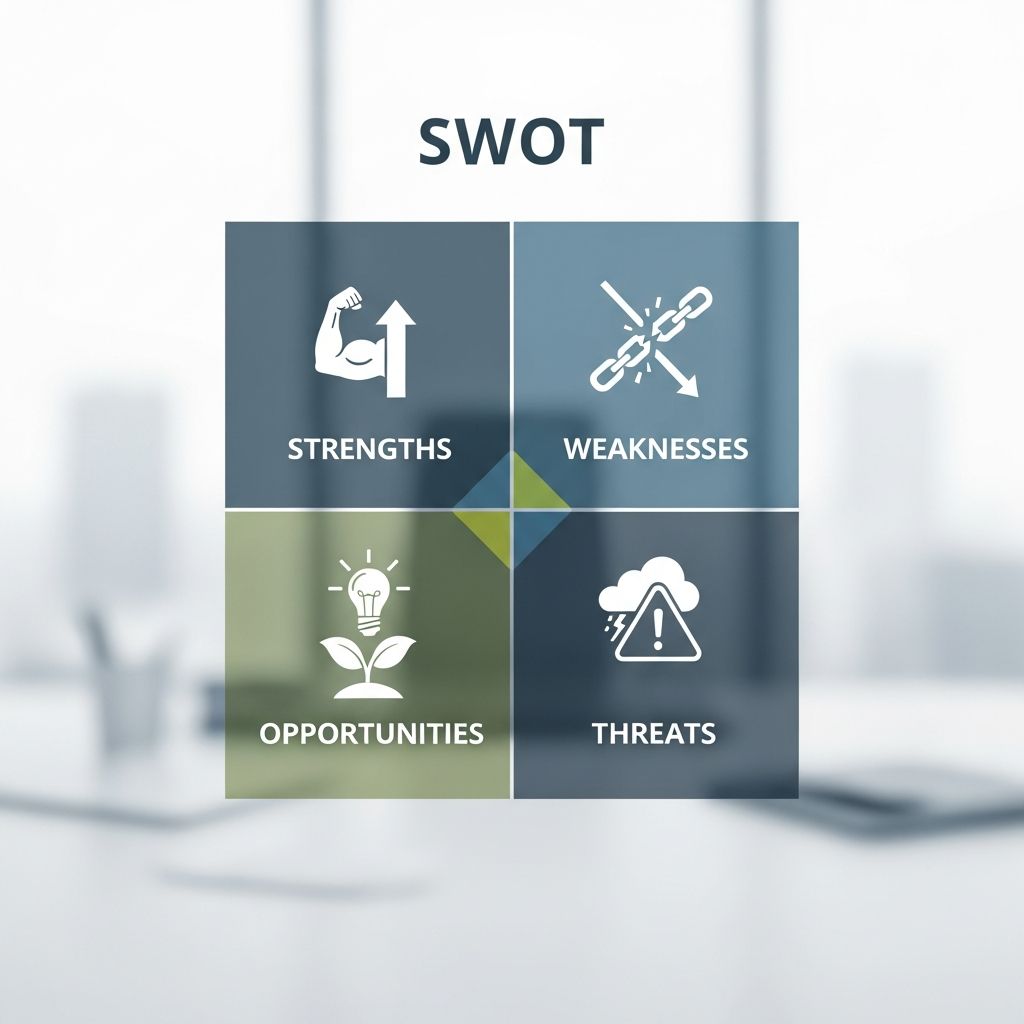
A SWOT analysis is a strategic planning framework that helps organizations systematically evaluate the internal and external factors influencing their business performance and strategic decisions. The acronym stands for Strengths, Weaknesses, Opportunities, and Threats—the four fundamental components that comprise this analytical approach. This structured assessment tool enables business leaders, managers, and analysts to develop a comprehensive understanding of their competitive position and identify actionable strategies for growth and risk mitigation.
The SWOT framework was developed by Albert Humphrey of the Stanford Research Institute during the 1960s, emerging from research examining why corporate planning efforts frequently failed to achieve desired outcomes. Since its creation, SWOT has evolved into one of the most widely adopted and practical tools for business analysis, utilized by organizations of all sizes and industries to guide strategic initiatives, evaluate new opportunities, and navigate competitive challenges.
The Four Components of SWOT Analysis
Understanding each element of the SWOT framework is essential for conducting an effective analysis that yields actionable insights.
Strengths: Internal Assets and Advantages
Strengths represent internal factors where your organization possesses competitive advantages over rivals. These are the resources, capabilities, and characteristics that position your company favorably within the marketplace. Strengths can be quantitative in nature, such as superior profit margins, efficient inventory turnover, or exceptional return on equity metrics. Alternatively, they may be qualitative, including elements like strong brand recognition, exceptional corporate culture, proprietary technology, skilled workforce, or established customer loyalty. Identifying strengths helps organizations understand where they excel and what capabilities they can leverage to achieve strategic objectives.
Weaknesses: Internal Limitations and Disadvantages
Weaknesses are internal characteristics where your organization faces competitive disadvantages relative to competitors. These vulnerabilities can hinder performance and limit growth potential if not addressed strategically. Weaknesses may include inexperienced management teams, high employee turnover rates, declining profit margins, excessive debt levels, outdated technology infrastructure, or limited market presence. Recognizing weaknesses enables organizations to identify areas requiring improvement, resource allocation, or strategic intervention to enhance overall competitiveness.
Opportunities: External Growth Factors
Opportunities encompass external environmental factors that can be leveraged to improve business performance and drive growth. These external elements exist within the market landscape and can be seized by management to create competitive advantages. Opportunities might include expanding total addressable markets, technological advancements that improve operational efficiency, changing consumer preferences creating new market segments, favorable regulatory changes, or demographic shifts opening new customer bases. Recognizing and capitalizing on opportunities allows organizations to align their strategies with favorable market conditions.
Threats: External Risk Factors
Threats represent external forces and environmental factors that could jeopardize your organization’s competitive position or operational viability. These risks are typically beyond direct organizational control but require strategic attention and mitigation planning. Common threats include industry decline, disruptive technological innovations, emerging competitors, unfavorable regulatory changes, shifting consumer preferences, economic downturns, or social trends that diminish product attractiveness. Understanding threats enables proactive risk management and contingency planning.
Why SWOT Analysis Matters for Business
Conducting a SWOT analysis before implementing major strategic initiatives provides organizations with a grounded, comprehensive foundation for decision-making. The analysis ensures that strategic moves are informed by both internal capabilities and external market realities, reducing the likelihood of costly missteps. Research indicates that approximately three out of four business transformations fail, often due to insufficient leadership support or employee resistance. By conducting thorough SWOT assessments before major strategic changes, organizations can build stronger implementation plans and secure stakeholder alignment.
The primary objective of SWOT analysis is developing organizational awareness of all factors influencing business decisions. This comprehensive perspective helps leadership teams allocate resources more effectively, prioritize initiatives, and make evidence-based choices about which opportunities to pursue and which challenges to address.
When to Conduct SWOT Analysis
Businesses should perform SWOT analysis at strategic junctures and on regular schedules to maintain current strategic awareness. Optimal timing for SWOT analysis includes:
- Before launching new products, services, or business lines
- When entering new markets or geographic regions
- Prior to major strategic shifts or organizational restructuring
- When adjusting or revising corporate policies
- During mid-course evaluation and adjustment of existing plans
- When responding to competitive threats or market disruptions
According to the State of SWOT Report, businesses typically update their SWOT analysis at minimum every six months, with some organizations in fast-moving industries conducting quarterly assessments. Beyond major initiatives, organizations benefit from periodic general SWOT analyses to maintain clarity about their competitive position and operational performance. Regular assessment prevents complacency and ensures that strategies remain aligned with current business realities.
Conducting an Effective SWOT Analysis
Create a Four-Square Matrix
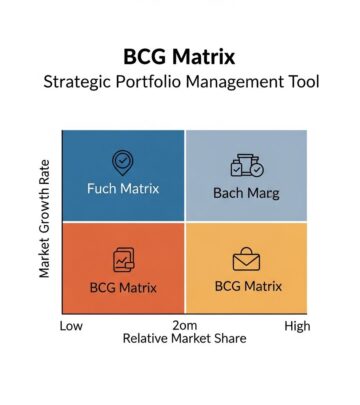
Most effective SWOT analyses are organized into a simple four-square matrix format, enabling direct side-by-side comparison of elements. The matrix structure allows stakeholders to visualize how internal factors (strengths and weaknesses) intersect with external factors (opportunities and threats), revealing strategic connections and priorities. This visual format makes it easier to identify where internal strengths can be leveraged against external opportunities, or where internal weaknesses expose the organization to external threats.
Include Multiple Organizational Perspectives
While business owners and senior leaders should guide the SWOT process, the analysis is significantly strengthened by incorporating input from multiple departments and organizational levels. Inviting participation from frontline employees, mid-level managers, and specialized teams provides diverse perspectives and collective organizational knowledge. Different departments often possess unique insights about operational capabilities, competitive positioning, market trends, and emerging challenges. Engaging this collective intelligence produces more accurate and comprehensive analysis than leadership-only assessments.
Identify Strategic Intersections
Effective SWOT analysis extends beyond simply listing factors within each category—it involves identifying meaningful connections between elements. Pairing external threats with internal weaknesses reveals the organization’s most serious vulnerabilities and risks. Once critical risk combinations are identified, leadership can determine whether to eliminate internal weaknesses through resource allocation, or reduce external threats by exiting certain business areas until organizational capabilities strengthen.
SWOT Analysis Example: Professional Services Expansion
A law firm conducting SWOT analysis for expansion into dispute mediation services illustrates practical application. The firm identified the following factors in their analysis:
Internal Factors (Strengths and Weaknesses)
- Strengths: Existing legal expertise, established client relationships, proven operational infrastructure, experienced legal professionals
- Weaknesses: Limited mediation experience, need for specialized training, unfamiliar service delivery model
External Factors (Opportunities and Threats)
- Opportunities: Growing market demand for alternative dispute resolution, client preference for one-stop legal services, potential revenue diversification
- Threats: Established mediation firms with greater experience, client skepticism about law firm mediation services, regulatory requirements for mediation certification
The SWOT analysis forced the firm to methodically evaluate their capabilities against market opportunities, ultimately supporting their decision to pursue mediation services expansion. The analysis revealed that their strong legal reputation and client relationships were sufficient competitive advantages to overcome their lack of mediation experience, provided they committed to staff training and certification.
Internal Factors: Strengths and Weaknesses
Internal factors encompass the resources, capabilities, and characteristics that exist within your organization. These factors are directly under organizational control and can be modified through strategic decisions and resource allocation. Strengths represent areas where your organization excels and maintains competitive advantage, while weaknesses indicate areas requiring improvement or representing competitive disadvantages. Both categories provide crucial insights for strategic planning and resource optimization.
External Factors: Opportunities and Threats
External factors emerge from the broader business environment and market landscape, often beyond direct organizational control. These factors include industry trends, competitive dynamics, regulatory environments, technological developments, economic conditions, and social changes. While organizations cannot control external factors, they must understand and respond to them strategically. Opportunities enable growth when aligned with organizational capabilities, while threats require mitigation strategies and contingency planning.
Using SWOT Analysis for Strategic Planning
Different stakeholders utilize SWOT analysis for distinct strategic purposes. Management teams employ the framework to support strategic planning and risk management, visualizing organizational advantages and disadvantages to guide resource allocation decisions toward growth or risk reduction initiatives. Business analysts use SWOT to understand and quantify competitive positioning, informing assumptions in financial models and business valuation analyses. Equity researchers may use SWOT findings to refine fair value estimates, while credit analysts leverage the framework to assess borrower creditworthiness and financial stability.
Combining SWOT With Other Analytical Frameworks
While SWOT analysis provides valuable strategic insights, it represents only one component of comprehensive business analysis. Organizations strengthen decision-making by combining SWOT with complementary analytical frameworks. For internal analysis, organizations might incorporate Porter’s Five Forces analysis to understand competitive dynamics, or value chain analysis to evaluate operational efficiency. For external analysis, organizations can employ market research, trend analysis, competitive intelligence, and scenario planning to develop more sophisticated understanding of opportunities and threats. This multi-framework approach produces more complete strategic perspective than SWOT analysis alone.
SWOT Analysis Beyond Organizations
While SWOT analysis is primarily recognized as an organizational tool, the framework’s utility extends to personal and individual application. Professionals can conduct personal SWOT analyses to evaluate career goals, identify professional development priorities, assess competitive positioning within their field, and make important career decisions. This individual application makes SWOT a versatile framework applicable across various contexts and decision-making scenarios.
Frequently Asked Questions
Q: How often should organizations conduct SWOT analysis?
A: Organizations should update SWOT analysis at minimum every six months, with fast-moving industries potentially conducting quarterly assessments. Beyond these regular intervals, SWOT should be conducted before major strategic initiatives, policy changes, or significant market disruptions.
Q: Who should be involved in conducting SWOT analysis?
A: While business owners and senior leaders typically guide the process, the strongest SWOT analyses include diverse perspectives from multiple departments, functional areas, and organizational levels. This collective input provides more accurate and comprehensive understanding of strengths, weaknesses, opportunities, and threats.
Q: What is the primary objective of SWOT analysis?
A: The primary objective is developing organizational awareness of all factors influencing business decisions, enabling leaders to make strategic choices grounded in both internal capabilities and external market realities.
Q: Can SWOT analysis be used for personal career planning?
A: Yes, individuals can conduct personal SWOT analyses to evaluate career goals, map professional growth, identify development areas, and make important career decisions using the same four-factor framework.
Q: How does SWOT analysis prevent business transformation failures?
A: By thoroughly assessing organizational strengths, weaknesses, opportunities, and threats before implementation, SWOT analysis helps build stronger strategic plans, secure leadership support, and anticipate employee concerns—addressing common reasons why business transformations fail.
Key Takeaways
- SWOT analysis is a strategic planning framework evaluating strengths, weaknesses, opportunities, and threats for informed business decision-making
- Strengths and weaknesses are internal factors directly under organizational control, while opportunities and threats are external environmental factors
- Organizations should conduct SWOT analysis before major strategic initiatives and update regularly—minimally every six months
- Effective SWOT analysis incorporates diverse organizational perspectives through cross-departmental participation
- Combining SWOT with complementary analytical frameworks produces more comprehensive strategic understanding
- SWOT analysis prevents costly strategic failures by grounding decisions in both internal capabilities and external realities
References
- What is a SWOT Analysis? How To Use It for Business — Business News Daily. 2023. https://www.businessnewsdaily.com/4245-swot-analysis.html
- SWOT Basics — Monroe University LibGuides. https://monroeuniversity.libguides.com/c.php?g=589225&p=10111716
- SWOT Analysis — Corporate Finance Institute. https://corporatefinanceinstitute.com/resources/management/swot-analysis/
Similar Articles








Read full bio of medha deb