Switching Student Loan Servicers: Your Guide
Discover practical steps to replace your current student loan servicer and improve your repayment experience with consolidation, forgiveness paths, or refinancing options.
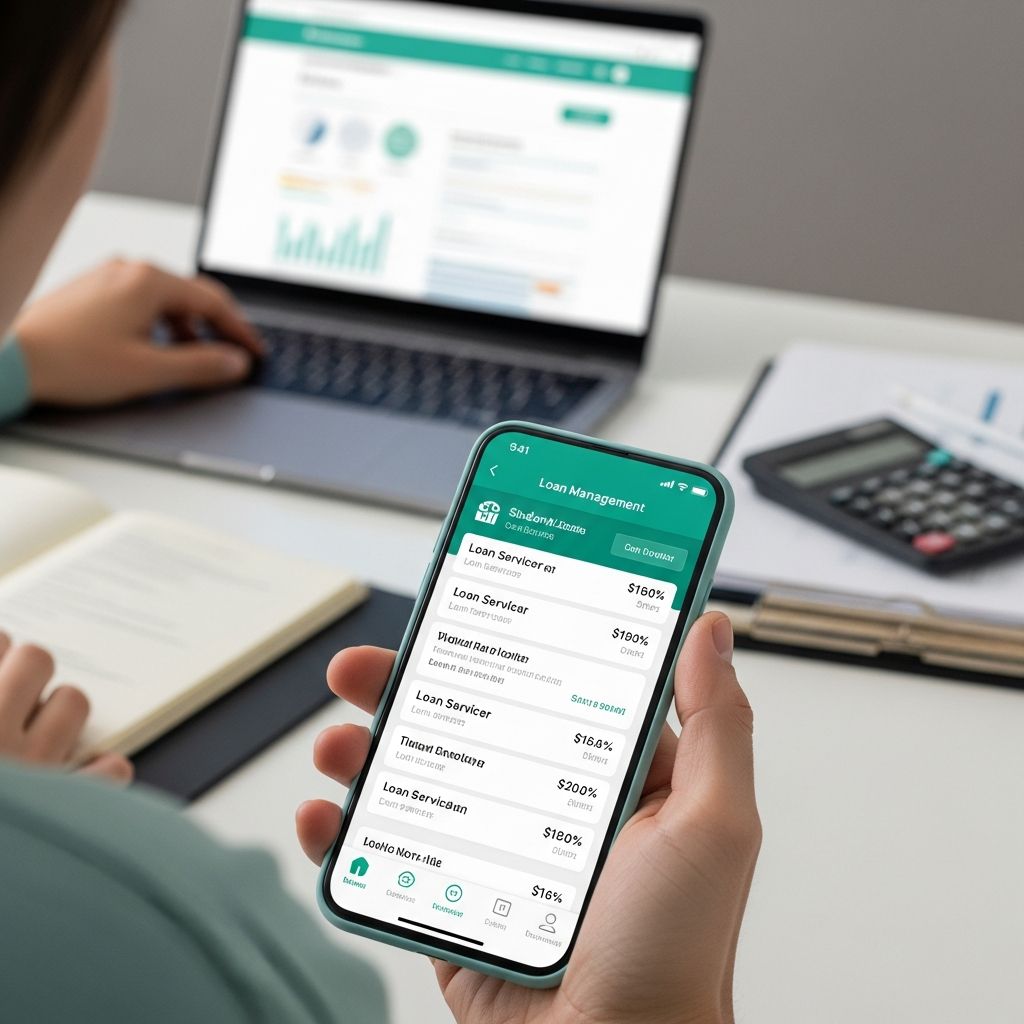
Student loan servicers manage billing, payments, and repayment options for federal or private loans, but dissatisfaction with customer support or errors can prompt borrowers to seek a change. While direct requests rarely work, specific strategies like consolidation or refinancing enable switches.
Understanding the Role of Loan Servicers
Federal student loans are assigned servicers by the U.S. Department of Education via Federal Student Aid (FSA). These companies handle daily operations but do not own the loans. Private loans follow similar models through lenders. Common issues include delayed responses, billing mistakes, or poor guidance on plans like income-driven repayment (IDR).
Borrowers cannot arbitrarily pick servicers upon origination, but transfers occur via FSA reallocations or borrower-initiated actions. Recent shifts saw companies like FedLoan Servicing, Granite State, and Navient exit, moving millions of loans to others like Aidvantage or MOHELA.
Primary Methods to Change Your Servicer
Three main avenues exist: federal consolidation, Public Service Loan Forgiveness (PSLF) enrollment, and refinancing. Each preserves or alters loan status differently.
Federal Direct Consolidation Loans
This process combines multiple federal loans into one Direct Consolidation Loan, allowing servicer selection. Eligible loans include Direct, FFEL, and Perkins (though some forgiveness types are excluded post-consolidation).
- Step 1: Log into StudentAid.gov, navigate to consolidation tools, and complete the online application. Provide personal details, loan info, and select a preferred servicer from the list.
- Step 2: The new servicer processes the request; expect 30-60 days for completion.
- Step 3: Continue payments to the old servicer until notified of the switch. Update autopay if enrolled.
Interest rates become a fixed weighted average of originals, rounded up to the nearest 1/8th percent. This simplifies payments but may extend terms, increasing total interest.
| Method | Pros | Cons |
|---|---|---|
| Consolidation | Retains federal benefits; choose servicer; single payment | Potential interest rate hike; loses individual loan tracking for some forgiveness |
| PSLF | Automatic transfer; qualifies for forgiveness | No servicer choice; eligibility limited |
| Refinancing | Lower rates possible; flexible terms | Loses federal perks; private loans only for benefits |
Public Service Loan Forgiveness Pathway
PSLF forgives Direct Loans after 120 qualifying payments under IDR while employed full-time by a qualifying public service or nonprofit employer. Loans transfer to the designated PSLF servicer, currently MOHELA following FedLoan’s exit.
Certification forms submitted via your employer trigger the shift. Track payments meticulously, as transitions can disrupt records. Recent FSA updates include a single portal at StudentAid.gov for PSLF tracking.
Refinancing with Private Lenders
Refinancing replaces federal or private loans with a new private loan from banks like SoFi or Citizens. Shop rates based on credit; strong profiles secure lower APRs.
- Compare lenders for fixed/variable rates, terms (5-20 years).
- Apply; upon approval, the new lender pays off old balances.
- Your prior servicer vanishes, replaced by the refinancer.
This forfeits federal IDR, deferments, and forgiveness—ideal only for high earners not pursuing PSLF.
Handling Automatic Servicer Transfers
FSA periodically reallocates loans for workload balancing. You’ll receive notices at least two weeks prior via email or mail, detailing the new servicer and transfer date.
- Verify the announcement on StudentAid.gov to avoid scams.
- Set up a new online account promptly.
- Update payment info, including autopay, as it doesn’t transfer automatically.
- Keep old records for at least three years for tax or dispute purposes.
If payments are due during transition, pay the current servicer until instructed otherwise.
Evaluating When to Switch
Not all frustrations warrant drastic steps. Minor issues? Contact FSA at 1-800-433-3243 or file complaints via StudentAid.gov feedback. Persistent problems like repeated errors or ignored IDR applications justify action.
Assess goals: Preserve federal benefits? Consolidate or PSLF. Seek savings? Refinance if creditworthy. Use tools like the Loan Simulator on StudentAid.gov to model outcomes.
Frequently Asked Questions
Can I switch servicers without consolidating?
Generally no, unless pursuing PSLF or refinancing. Automatic transfers happen independently.
How do I find my current servicer?
Login to StudentAid.gov under “My Aid,” or call 1-800-433-3243.
Does switching affect my credit score?
Consolidation or refinancing may cause temporary inquiries; on-time payments mitigate impacts.
What if my servicer provides bad service?
Document issues and complain to FSA or CFPB. Consider switching if unresolved.
Are there costs to consolidate?
No fees for federal consolidation.
Best Practices for Smooth Transitions
Monitor StudentAid.gov dashboards, now unified with servicer portals for seamless access. Enable notifications, save statements, and certify employment annually for PSLF. Recent FSA overhauls, including scam-proof .gov sites, enhance security.
For refinancing, prequalify without hard pulls. Post-switch, confirm balances match to prevent overpayments.
Long-Term Repayment Strategies
Beyond servicers, focus on IDR recertification, SAVE plan enrollment (if eligible), or employer assistance. Tools like the PSLF Help Tool streamline submissions. With $1.7 trillion in outstanding debt, proactive management saves thousands.
References
- 3 Ways to Change Student Loan Servicers — Student Loan Planner. 2023-07-15. https://www.studentloanplanner.com/change-student-loan-servicer/
- How To Change Your Student Loan Servicer — Bankrate. 2024-02-10. https://www.bankrate.com/loans/student-loans/change-student-loans-servicer/
- How To Switch Student Loan Servicers If Problems Occur — College Raptor. 2023-11-20. https://www.collegeraptor.com/paying-for-college/articles/questions-answers/way-switch-student-loan-servicer/
- Federal student loan servicers: What you need to know — Citizens Bank. 2024-01-05. https://www.citizensbank.com/learning/federal-student-loan-servicing.aspx
- Your Top Student Loan Questions Answered: What if My Loan is Transferred to a New Servicer? — DFPI. 2023-09-12. https://dfpi.ca.gov/news/insights/your-top-student-loan-questions-answered-what-if-my-loan-is-transferred-to-a-new-servicer/
- Can I change my federal student loan servicer? — Federal Student Aid. 2025-10-01. https://studentaid.gov/help-center/answers/article/change-my-current-loan-servicer
- So Your Loan Was Transferred—What’s Next? — Federal Student Aid. 2024-05-22. https://studentaid.gov/articles/your-loan-was-transferred-whats-next/
- Can I request a specific loan servicer? — Federal Student Aid. 2025-08-15. https://studentaid.gov/help-center/answers/article/can-i-request-specific-loan-servicer
Similar Articles








Read full bio of medha deb