Switching Banks And Credit Scores: 5 Steps To Switch Safely
Uncover the truth about how changing banks influences your credit profile and learn smart strategies to minimize any risks.
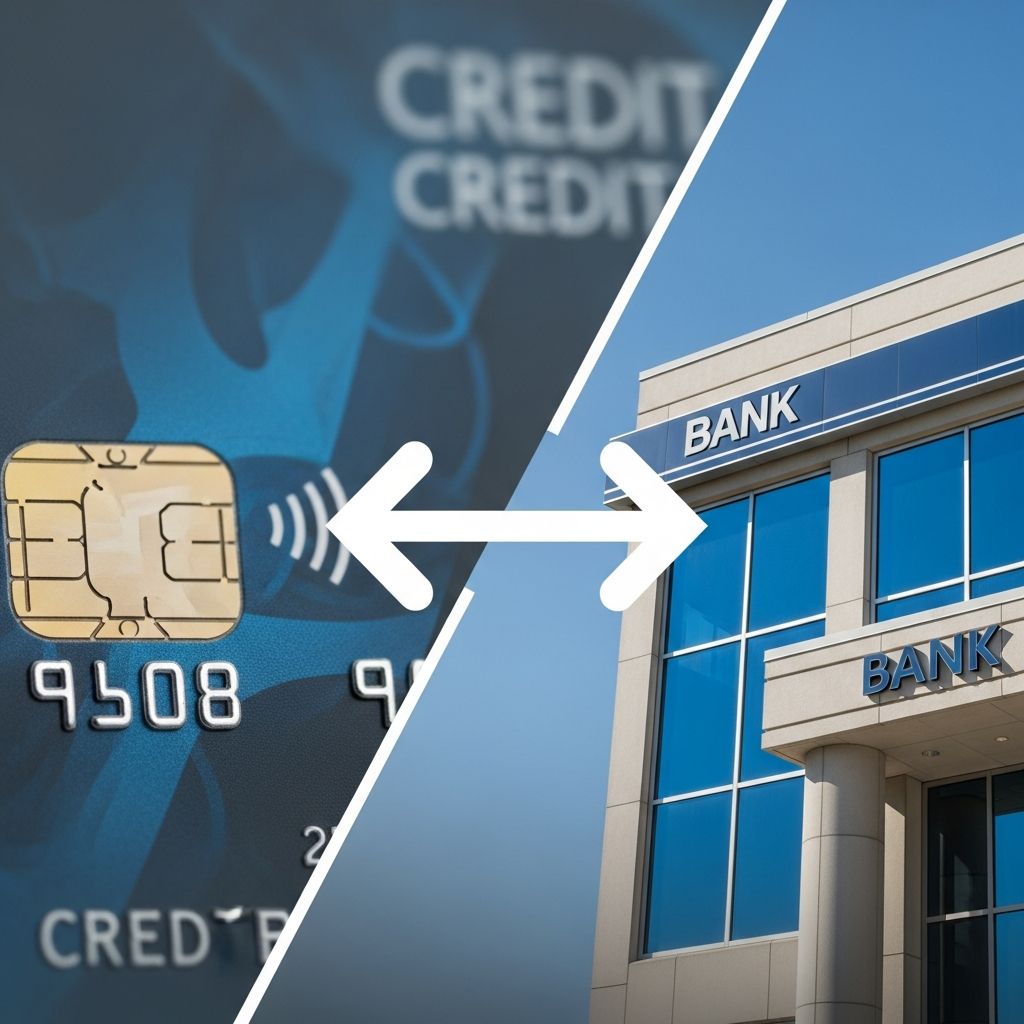
Many people wonder whether moving their money to a new bank will harm their credit standing. In most cases, simply closing a checking or savings account and opening one elsewhere has no direct effect on your credit score. Banks do not report routine deposit account activity to the primary credit bureaus like Equifax, TransUnion, or Experian. Instead, your credit profile focuses on loans, credit cards, and other borrowing history.
However, indirect factors such as credit checks during account opening or issues like unpaid overdrafts can create ripples. Understanding these nuances helps you switch providers confidently while protecting your financial health.
Why Bank Accounts Don’t Directly Impact Credit Reports
Credit scores measure your reliability as a borrower, not your everyday banking habits. Major bureaus track elements like payment history on debts (35% of FICO score), amounts owed (30%), credit history length (15%), new credit (10%), and credit mix (10%). Deposit accounts fall outside this scope.
- Non-reporting of balances: Positive or neutral checking/savings activity stays invisible to credit reports.
- Focus on credit products: Only revolving credit, installment loans, and similar appear.
- Bank-specific tracking: Institutions use separate systems for deposit risks.
This separation means routine switches—say, chasing better rates or perks—won’t ding your score directly.
Credit Checks: The Potential Hidden Cost
New banks verify identity and risk via credit reports. This triggers two check types:
| Check Type | Impact on Score | Common Use |
|---|---|---|
| Soft Check | None | Pre-approvals, identity verification |
| Hard Check (Inquiry) | Temporary 5-10 point drop, lasts 12 months | Full account applications |
Hard inquiries signal new credit-seeking, briefly lowering scores. Multiple in quick succession suggest financial stress, amplifying effects. In the US, most banks pull ChexSystems over credit reports for checking accounts, avoiding hard hits. UK practices differ, with more frequent hard checks.
Timing matters: Avoid switches near loan applications, as even minor dips could sway approvals. Larger lenders like mortgage providers weigh overall profiles more than single inquiries.
ChexSystems: The Banking Blacklist to Watch
Unlike credit bureaus, ChexSystems logs deposit account mishaps for five years: overdrafts, bounced checks, unpaid fees. Negative marks won’t touch your FICO but block new accounts at participating banks (80%+ of US institutions).
- Common flags: Unresolved negative balances, excessive overdrafts.
- Cleaning it up: Pay debts, dispute errors via ChexSystems site.
- Alternatives: Second-chance checking if flagged.
A clean ChexSystems ensures smooth switches; poor history forces hurdles elsewhere.
Indirect Risks When Changing Banks
Beyond checks, mishaps can indirectly harm credit:
- Overdraft collections: Unpaid negatives sent to agencies appear on credit reports, tanking scores 100+ points.
- Forgotten autopays: Missed bills from old account trigger late payments (worst score killer).
- Linked credit products: Closing old-bank credit cards shortens history, raises utilization if balances shift.
- Joint accounts: Partner’s profile may face checks too.
Overdrafts on arranged facilities (like UK overdrafts) count as credit; closing erases positive history.
Steps for a Credit-Safe Bank Switch
Follow this roadmap to minimize risks:
- Research providers: Compare fees, rates, perks via FDIC/SNC tools. Prioritize soft-check banks if concerned.
- Clear old account: Zero balance, resolve issues before closing.
- Open new first: Verify payments transfer via services like UK’s Current Account Switch Guarantee.
- Update autopays: List all, notify payees 2-4 weeks early.
- Monitor reports: Free weekly via AnnualCreditReport.com; check ChexSystems annually.
Patience pays: Space switches months apart.
Benefits That Outweigh Minor Risks
Switching often unlocks value:
- Higher yields on savings.
- Fee waivers, cash bonuses.
- Superior apps, budgeting tools aiding credit habits.
- Better branches/ATMs.
Overdraft managers or credit-builders in new accounts can boost profiles long-term.
Special Scenarios and Exceptions
Certain situations demand caution:
| Scenario | Potential Impact | Advice |
|---|---|---|
| Near-term loan/mortgage | Hard inquiry timing | Delay switch or choose soft-check bank |
| Negative old balance | Collections hit | Resolve first |
| Closing old credit card | Shorter history | Keep open if no fees |
| Joint switch | Dual inquiries | Coordinate with partner |
Frequent switches (3+ yearly) flag instability.
Frequently Asked Questions
Will closing my checking account lower my credit score?
No, if in good standing. Banks don’t report deposit closures to bureaus.
Does opening a savings account trigger a credit check?
Rarely hard checks; usually ChexSystems. Confirm with bank.
How long does a hard inquiry from a bank linger?
Appears 2 years, score impact fades in months.
Can switching improve my credit indirectly?
Yes, via better tools for payments/budgeting.
What if my old bank sends overdraft to collections?
Severe credit damage; pay promptly to avoid.
Long-Term Financial Strategy
View switching as part of broader health: Maintain 30%+ credit utilization, pay on time, diversify accounts. Tools like alerts prevent overdrafts. If scores lag, secured cards or builders help without bank changes.
Ultimately, informed switches enhance finances without credit peril. Research, plan, execute methodically for gains.
References
- Does Changing Banks Affect Your Credit Score? — PSBT. Accessed 2026. https://www.psbt.com/Learn/Resources/PSBT-Corner-News/Does-Changing-Banks-Affect-Credit
- Does switching bank accounts affect your credit score? — Unbiased. Accessed 2026. https://www.unbiased.co.uk/discover/personal-finance/budgeting/does-switching-bank-accounts-affect-your-credit-score
- Does Switching Bank Accounts Affect Your Credit Score? — SoFi. Accessed 2026. https://www.sofi.com/learn/content/does-switching-bank-accounts-affect-credit-score/
- Does switching banks really affect your credit score? — Paveapp. Accessed 2026. https://www.paveapp.com/blog/does-switching-banks-affect-credit-score
- How to Switch Banks Without Hurting Your Credit Score — First Alliance CU. Accessed 2026. https://www.firstalliancecu.com/blog/how-to-switch-financial-institutions-without-hurting-your-credit-score
- Does Closing a Bank Account Hurt Your Credit? — Experian. Accessed 2026. https://www.experian.com/blogs/ask-experian/does-closing-a-bank-account-affect-your-credit/
Similar Articles








Read full bio of medha deb