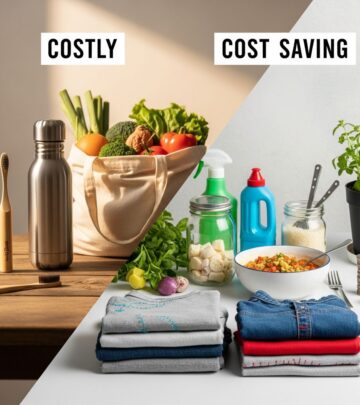
Cloth Pads: 5 Reasons To Save Money And Help The Planet
Ditch disposables for reusable cloth pads: save money, protect the planet, and enjoy superior comfort during your period.
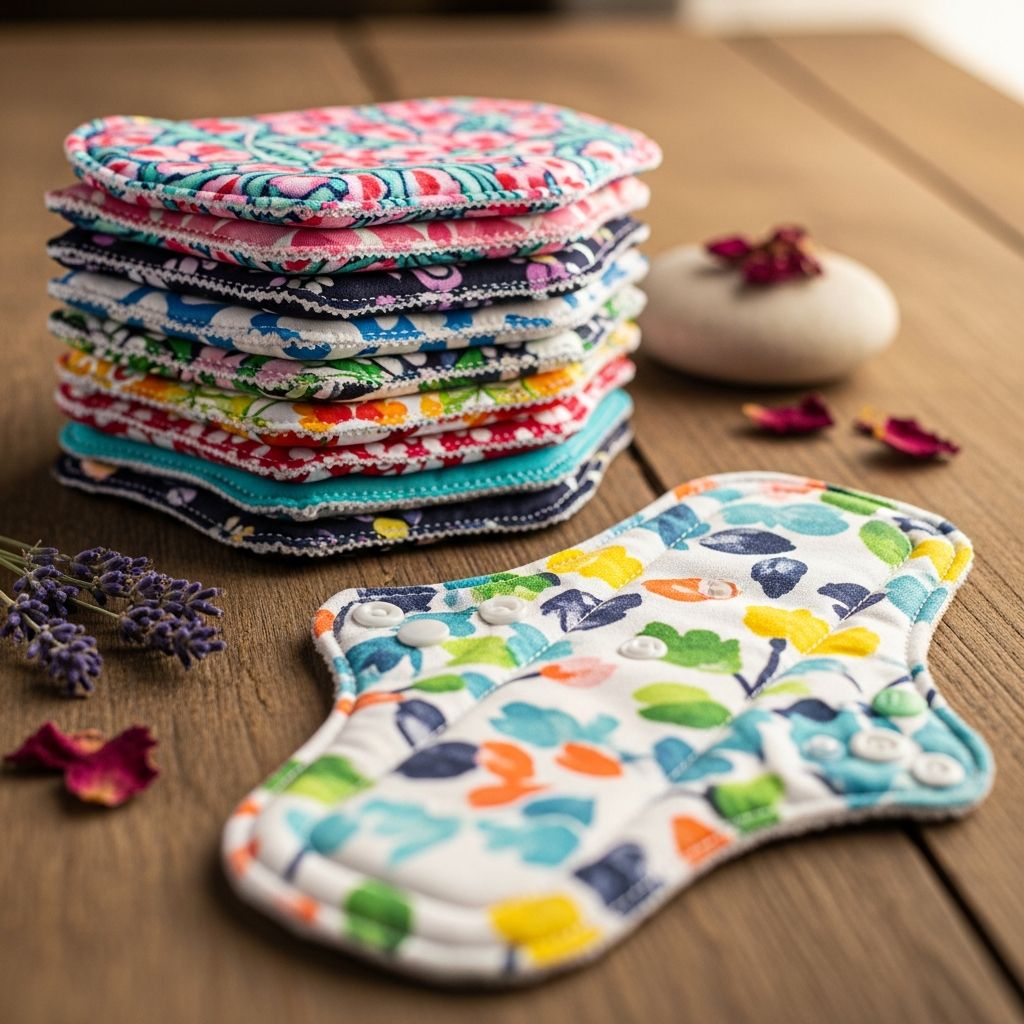
Every month, millions of women rely on disposable sanitary pads, but these single-use products come with hidden costs—not just financial, but environmental and health-related too. Switching to
cloth pads
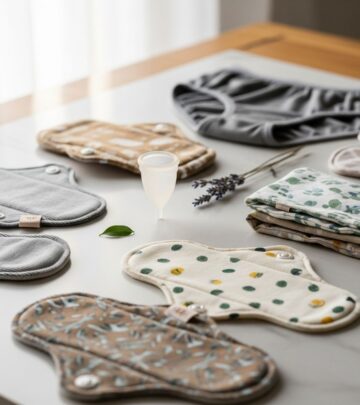
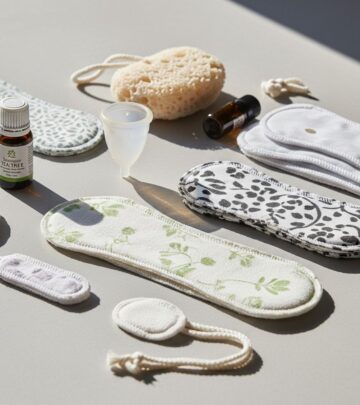
(also called reusable menstrual pads) offers a sustainable alternative that can last years, slashing your period expenses while providing superior comfort and breathability. Made from soft, natural fabrics like cotton, bamboo, and hemp, cloth pads absorb menstrual flow effectively without the plastics, chemicals, and dioxins found in many disposables.Why Make the Switch? The Problems with Disposable Pads
Disposable pads seem convenient, but they create massive waste and potential health issues. The average woman uses over
12,000 sanitary products in her lifetime
, contributing to landfills where plastics take 500-800 years to break down. These pads often contain chlorine-bleached materials producing dioxins, plastic residues from pesticides, and synthetic fibers that block airflow, leading to rashes, irritation, and even increased menstrual cramps.- Environmental Toll: One pack of disposables equals the plastic in four carrier bags; they pollute oceans and beaches.
- Health Risks: Non-breathable plastics trap moisture, fostering bacterial growth and skin issues.
- Cost Burden: Monthly spending adds up—estimated at Rs.200/month or thousands over a lifetime.
Cloth pads address these issues head-on, offering a reusable solution that’s washed and reused hundreds of times.
5 Compelling Reasons to Choose Cloth Pads
From savings to sustainability, here are the top reasons women are ditching disposables for cloth.
1. Huge Long-Term Savings
The initial cost of cloth pads (₹400-1000 per pad or set) is higher than disposables (₹100-300/pack), but they last 2-5 years or 75-120 washes. Over a lifetime, you could save thousands. For example, SuperBottoms Flow Lock pads endure 120 washes, while others like Natracare by Eco Femme last 3-5 years.
| Feature | Disposable | Cloth Pads |
|---|---|---|
| Initial Cost | ₹100-300/pack | ₹400-1000/set |
| Lifespan | Single use | 2-5 years |
| Lifetime Cost | High (12,000+ units) | Low (one-time buy) |
2. Eco-Friendly and Zero-Waste
Cloth pads generate minimal waste—wash them and reuse. Unlike disposables that overwhelm landfills and oceans, reusables reduce your carbon footprint dramatically. PUL (polyurethane laminate) backings are breathable, not plastic, allowing air flow while preventing leaks.
3. Unmatched Comfort and Breathability
Crafted from bamboo, cotton, and lycra blends, cloth pads are soft, porous, and rash-free. They outperform synthetic disposables, which can irritate sensitive skin. Pair with absorbent period underwear for 8-10 hours of leak-proof comfort.
4. Better for Menstrual Health
Users report fewer cramps and no toxic shock syndrome risk (unlike tampons). Breathable fabrics promote vaginal health by allowing airflow.
5. Customizable and Stylish
Available in various sizes, absorbencies, and patterns, cloth pads snap into underwear securely, staying put without bulk.
How to Use Cloth Pads: A Step-by-Step Guide
Using cloth pads is simple and discreet. They fit like disposables but feel better.
- Choose Your Set: Start with 3-5 pads covering light, medium, and heavy flow. Look for organic cotton or bamboo with PUL backing.
- Position: Place wings around underwear and snap shut. Change every 4-6 hours or as needed.
- On-the-Go: Carry wet/dry bags for used pads. Soak in cold water if storing briefly.
- Cleaning: Rinse in cold water, soak 20-30 minutes, wash by hand or machine (<40°C), air dry in sun. Avoid fabric softener or dryer.
- Storage: Ensure fully dry to prevent mildew. Store in a breathable bag.
Tips: Pre-wash new pads 2-3 times for max absorbency. Sun-drying kills bacteria naturally.
Cloth Pads vs. Disposables: Side-by-Side Comparison
| Aspect | Disposable Pads | Cloth Pads |
|---|---|---|
| Cost Over Time | Expensive long-term | Saves 80-90% lifetime |
| Environment | High waste (500+ years) | Reusable, low impact |
| Comfort | Plastic irritation | Breathable, soft fabrics |
| Health | Dioxins, rashes | Natural, cramp-reducing |
| Durability | One use | Years of use |
Best Cloth Pads to Try: Top Recommendations
- Natracare by Eco Femme: GOTS-certified organic cotton, PFAS-free, 3-5 years lifespan. Handmade ethically.
- SuperBottoms Flow Lock: Bamboo-cotton blend, 120 washes, pairs with period underwear.
- The Period Lady: Cotton/hemp/bamboo options, breathable PUL, lasts 4-5+ years.
- Generic/Custom: Affordable, last 5+ years with care; avoid microfiber for better wicking.
Start small: Buy a starter kit with varied sizes for different flow days.
Frequently Asked Questions (FAQs)
Are cloth pads hygienic?
Yes, when changed regularly (every 4-6 hours), rinsed, and washed properly. Sun-drying disinfects them naturally. No more bacteria risk than disposables if cared for.
Do cloth pads leak?
High-quality ones with PUL and absorbent cores prevent leaks for 8+ hours, often better than disposables due to secure fit.
Can I use cloth pads overnight?
Absolutely—opt for extra-absorbent overnight pads for heavy flow.
How do I travel with them?
Use waterproof wet bags: one for used, one dry for spares. Easy and compact.
Are they bulky?
Modern cloth pads are slim and contoured, less bulky than older styles or some disposables.
Getting Started: Your Switch Checklist
- Purchase 4-6 pads (assorted sizes).
- Stock wet bags and mild detergent.
- Practice washing routine pre-period.
- Track savings with a period expense app.
Making the switch empowers you financially, environmentally, and health-wise. Thousands of women have ditched disposables—join them for worry-free periods.
References
- Reusable Sanitary Pads vs. Disposables — SuperBottoms. 2023. https://superbottoms.com/blogs/new-moms/reusable-sanitary-pads-vs-disposables
- Disposable vs. Reusable Menstrual Products: Pros and Cons — PeeSafe. 2024. https://www.peesafe.com/blogs/news/disposable-vs-reusable-menstrual-products-pros-and-cons
- Disposable V Cloth Menstrual Pads — The Period Lady. 2023. https://www.theperiodlady.co.uk/blog/disposable-v-cloth-menstrual-pads.html
- Reusable vs Disposable Pads: What’s the Difference — Natracare. 2024. https://www.natracare.com/blog/reusable-vs-disposable-pads-whats-the-difference-and-which-is-right-for-you/
- Reusable Sanitary Pads vs. Disposable – Which Is Better? (Video Transcript) — YouTube. 2022. https://www.youtube.com/watch?v=R5_g2wKOLYY
Similar Articles








Read full bio of Sneha Tete