Switch Credit Cards: 7-Step Guide To Preserve Your Score
Master the process of upgrading or changing your credit card without closing accounts or hurting your credit score.

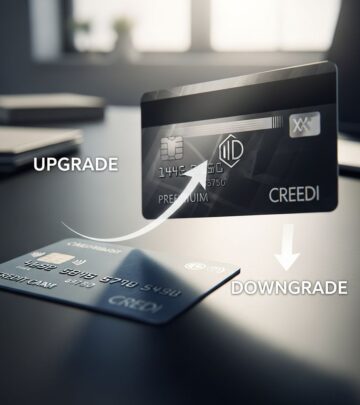
Changing your credit card to better match your financial needs doesn’t require applying for a new one or risking your credit history. A product change or upgrade lets you transition within the same issuer while keeping your account age and limits intact.
Why Consider Changing Your Credit Card?
Your current card might no longer align with evolving spending habits, such as increased travel or cash back preferences. Issuers offer product changes to retain customers, allowing shifts to cards with superior rewards, lower fees, or premium perks without the full application process.
This approach preserves your credit utilization ratio and account history, key factors in credit scoring models. For instance, maintaining a long-standing account helps build a strong payment history over time.
Key Benefits of Internal Card Switches
- Preserve Credit History: No new account means your average age of accounts stays high, positively influencing scores.
- Retain Credit Limit: Limits often carry over, avoiding sudden drops in available credit.
- Avoid Hard Inquiries: Most switches skip credit pulls, preventing temporary score dips.
- Targeted Offers: Logins or mailers frequently present pre-approved upgrades tailored to your profile.
Potential Drawbacks to Watch For
Not every switch is seamless. Rewards might not transfer, annual fees could rise with premium cards, or eligibility restrictions apply based on issuer policies. Business to personal switches are typically barred due to differing underwriting.
| Aspect | Product Change | New Application |
|---|---|---|
| Credit Inquiry | Usually None | Hard Pull |
| Account Age | Preserved | Resets |
| Credit Limit | Often Carries Over | New Evaluation |
| Rewards Transfer | Case-by-Case | No |
Eligibility Rules Across Major Issuers
Each bank defines ‘card family’ differently—often same brand or reward type. American Express permits changes within portfolios like Membership Rewards, while Chase limits to similar tiers. Confirm via customer service, as policies evolve.
General restrictions include no cross-class moves (e.g., secured to unsecured) and minimum account tenure, sometimes 12 months.
Step-by-Step Guide to Making the Switch
Step 1: Assess Your Needs and Research Options
Review spending categories: groceries, gas, dining? Compare issuer websites for cards matching these. Calculate potential rewards value using annual spend estimates.
- Travel perks: Miles or points on airlines/hotels.
- Cash back: Flat-rate or bonus categories.
- 0% APR: Balance transfers for debt payoff.
Step 2: Check for Pre-Approved Offers
Online portals often display personalized upgrades. These bypass full reviews and may include bonuses.
Step 3: Contact Issuer Support
Call the number on your card’s back. Prepare questions:
- Will rewards/points transfer?
- New account number or same?
- Balance handling—payoff required?
- Fee changes or waivers?
- Sign-up bonus eligibility?
- Timeline for activation?
Negotiate: Request fee waivers or bonuses to sweeten the deal.
Step 4: Confirm Credit Impact
Ask directly about inquiries. Most product changes avoid them, but confirm.
Step 5: Complete the Change
Approve via phone, app, or secure message. Expect confirmation within days; new card arrives shortly if credentials update.
Step 6: Update Automatic Payments and Profiles
Recurring charges (utilities, subscriptions) need new details. Update autopay, alerts, and merchant profiles promptly to avoid disruptions.
- Activate new card immediately.
- Destroy old card securely.
- Re-enroll in paperless billing.
- Set payment due date reminders.
Step 7: Monitor Statements
Review for 2-3 months post-switch. Verify rewards posting, fee applications, and balance transfers. Dispute errors swiftly.
Common Scenarios and Solutions
Upgrading for Better Rewards
Switch from basic cash back to travel rewards if lifestyle shifts. Ensure points ecosystem compatibility.
Downgrading to Cut Fees
Drop premium features during financial crunches. Inquire about no-fee alternatives within family.
Preserving High Limits
Request limit increases pre-switch if needed, as they often transfer.
Impact on Credit Scores Explained
Credit scores factor payment history (35%), utilization (30%), length of history (15%). Switches maintain these, unlike new apps adding inquiries (10%) and shortening averages.
Temporary dips possible if limits drop unexpectedly. Keep utilization under 30% overall.
Rewards and Perks: What Transfers?
Policies vary: Chase Ultimate Rewards often move; airline miles may not. Redeem before switching if uncertain. New cards might offer retention bonuses.
When to Apply for a New Card Instead
- No suitable internal options.
- Competitive sign-up bonuses elsewhere.
- Switching issuers for unique perks.
- Willing to accept inquiry risk.
Weigh against credit hit: Inquiries drop scores 5-10 points, recover in months.
Frequently Asked Questions
Does switching cards hurt my credit score?
Typically no, as it avoids hard inquiries and preserves history.
Can I switch anytime?
Most allow after 12 months; check issuer rules.
What if I have a balance?
Balances usually transfer; confirm payoff needs.
Will my APR change?
Possibly; ask about promotional rates.
How long does the process take?
Approval instant; new card 7-10 days.
Pro Tips for Successful Transitions
- Time switches post-major purchases to maintain low utilization.
- Compare total value: Rewards minus fees.
- Document conversations with reps.
- Run scenarios with credit simulators online.
- Consider pairing with limit increases.
Switching empowers better financial alignment without starting over. Stay informed on issuer offers for ongoing optimization.
References
- A Guide to Switching Credit Cards — SoFi. 2024. https://www.sofi.com/learn/content/credit-card-product-change-and-switching/
- How to switch credit cards with your issuer — Bankrate. 2025-01-15. https://www.bankrate.com/credit-cards/advice/things-to-know-before-switching-credit-cards/
- 7 Steps to Take When Your Credit Card Changes Issuers — NerdWallet. 2024-11-20. https://www.nerdwallet.com/credit-cards/learn/what-to-do-credit-card-changes-issuers
Similar Articles








Read full bio of medha deb