Sustainable Home Upgrades: A Practical Guide In 2025
Transform your home into an eco-friendly haven with smart upgrades that save energy, cut costs, and boost value in 2026.
Investing in sustainable home upgrades offers homeowners a pathway to lower utility bills, improved comfort, and increased property appeal. These modifications prioritize energy conservation, resource efficiency, and health-focused design, aligning with rising demand for eco-conscious living as noted in recent real estate analyses.
Why Prioritize Eco-Friendly Renovations Now?
In an era of heightened environmental awareness, sustainable renovations deliver multifaceted benefits. They minimize carbon emissions, enhance indoor air quality, and prepare homes for future energy standards. Data from property listings indicates a 21% rise in searches for green features, with zero-energy-ready homes surging by 70%, signaling strong market value addition. Beyond finances, these upgrades foster healthier living spaces through better ventilation and non-toxic materials.
Key Areas for Energy Optimization
Energy efficiency forms the cornerstone of modern green remodeling. Targeting high-impact zones like envelopes and systems yields immediate returns.
- Advanced Insulation Solutions: Upgrading walls, attics, and floors with high-performance materials drastically cuts heating and cooling needs. Recycled insulation options further reduce environmental footprints.
- High-Performance Windows and Doors: Double- or triple-pane units with low-emissivity coatings prevent heat loss while maximizing natural light. These replacements can slash energy use by up to 30% in many climates.
- Smart HVAC Integration: Heat pumps and high-SEER air conditioners paired with zoning controls optimize performance. Smart thermostats learn habits to fine-tune operations, often reducing consumption by 10-20%.
Renewable Energy Integration Strategies
Transitioning to renewables future-proofs homes against rising energy costs. Start with preparatory measures during remodels.
| Upgrade Type | Benefits | Cost Savings Potential |
|---|---|---|
| Solar-Ready Roofing | Simplifies panel installation; avoids roof tear-offs later | 20-40% lower install costs |
| Whole-Home Batteries | Stores excess solar for off-grid use; EV charger compatible | Utility bill cuts up to 50% |
| Energy Monitoring Systems | Real-time usage tracking via apps | 15% average reduction |
Planning for solar during renovations minimizes disruption and leverages incentives, boosting resale appeal amid growing buyer interest.
Water Conservation Innovations
Water efficiency complements energy savings, addressing scarcity concerns. Fixtures and systems designed for low usage maintain functionality.
- Low-flow showerheads and faucets reduce flow to 1.5-2.0 GPM without pressure loss.
- Dual-flush toilets save 20-60% per flush.
- Greywater systems repurpose laundry/sink water for irrigation.
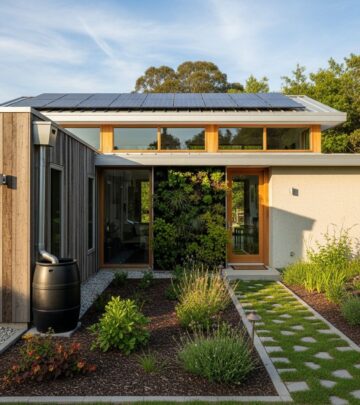
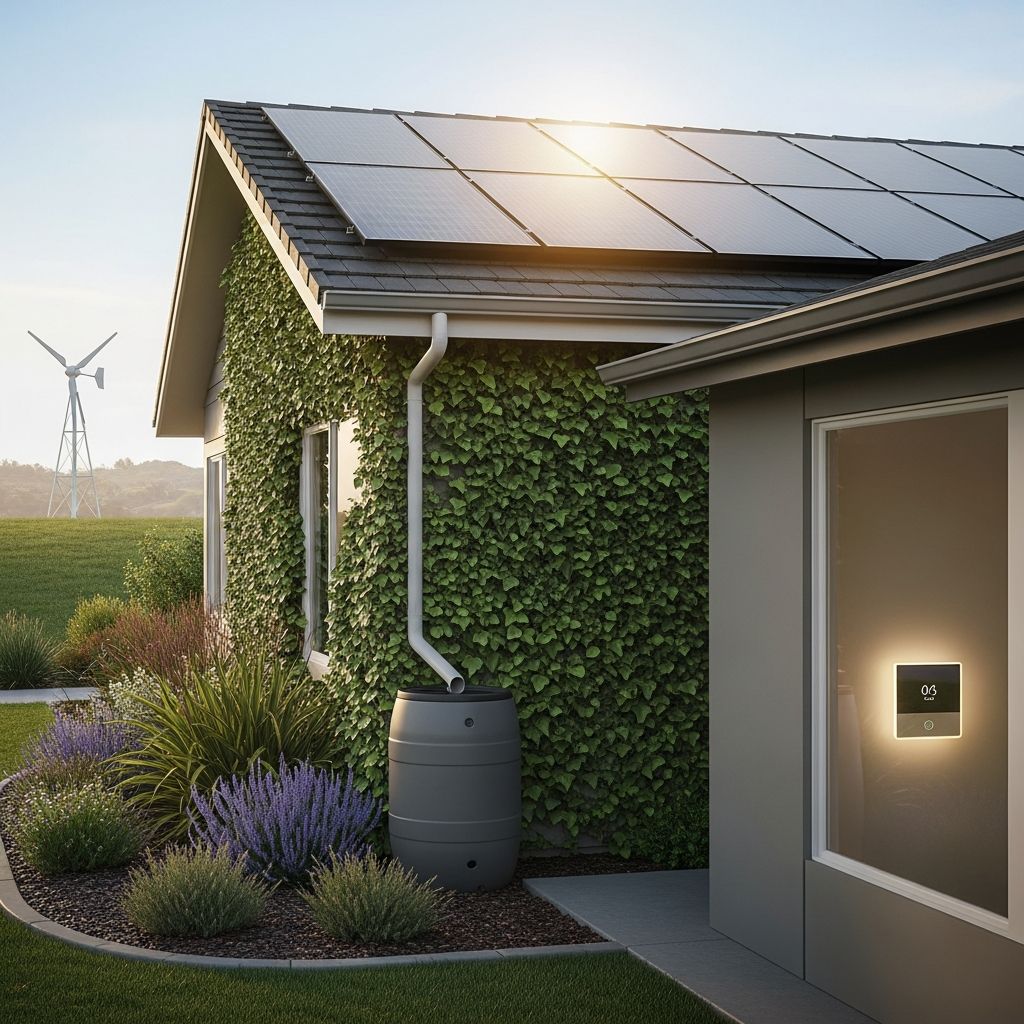
- Rainwater harvesting with storage tanks cuts municipal reliance.
Pair indoor fixes with xeriscaping—drought-tolerant plants and permeable paving—to slash outdoor water needs by half.
Choosing Eco-Conscious Materials
Material selection influences long-term sustainability. Opt for renewably sourced, durable options with low embodied carbon.
- Bamboo and Cork Flooring: Rapidly renewable, resilient alternatives to hardwood.
- Reclaimed Wood and Recycled Metals: Reduces deforestation and landfill waste.
- Low-VOC Paints and Finishes: Minimize off-gassing for superior air quality.
- Innovative Composites: Timbercrete, ocean plastic tiles, and hemp-based products offer novel durability.
Verify certifications like FSC for wood or Cradle to Cradle for full lifecycle assessment to ensure authenticity.
Smart Technology for Everyday Efficiency
Automation elevates sustainability without lifestyle sacrifices. Integrated systems provide oversight and optimization.
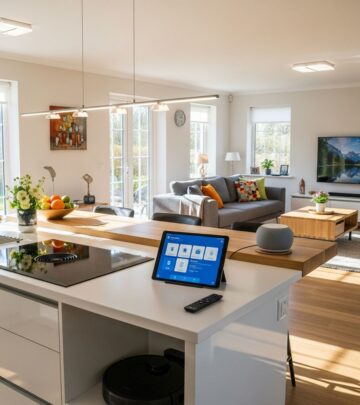
- Smart thermostats adjust based on occupancy and weather.
- Automated LED lighting dims or shuts off unused areas.
- App-controlled appliances schedule high-use cycles for off-peak hours.
These tools empower data-driven decisions, often yielding 10-25% savings through behavioral nudges.
Biophilic and Health-Centric Designs
Green remodeling extends to wellness via nature integration. Biophilic elements like living walls, abundant daylight, and organic textures reduce stress and enhance mood.
- Large windows and skylights for passive solar gain.
- Indoor plants and green walls for air purification.
- Natural ventilation paths to cut mechanical reliance.
Such features align with health-focused trends, improving sleep and productivity in daily environments.
Room-Specific Sustainable Transformations
Kitchens: Efficiency Meets Style
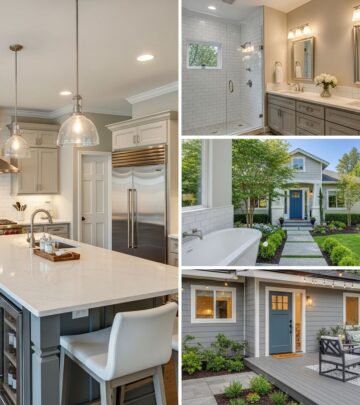
Upgrade to Energy Star appliances, bamboo cabinetry, and recycled quartz counters. Induction cooktops save 10% on energy over gas.
Bathrooms: Low-Impact Luxury
Incorporate low-flow fixtures, efficient ventilation, and natural stone tiles for spa-like retreats with minimal resource use.
Outdoors: Landscape for Resilience
Native plantings, rain gardens, and permeable surfaces manage stormwater while supporting biodiversity.
Financial Incentives and ROI Considerations
Government rebates, tax credits like the Inflation Reduction Act’s 30% solar incentive, and rising home values offset upfront costs. Energy upgrades often recoup 60-90% upon sale. Conduct audits to prioritize high-ROI projects.
Steps to Launch Your Green Remodel
- Assess current efficiency with professional audits.
- Set goals: energy, water, or health focus?
- Research certified contractors experienced in green builds.
- Secure financing via green loans or PACE programs.
- Monitor post-install with smart trackers.
Frequently Asked Questions
What is the quickest way to boost home energy efficiency?
Seal drafts, add insulation, and install programmable thermostats for fast, cost-effective gains.
Are sustainable materials more expensive?
Initial costs may match traditional options, but longevity and rebates yield savings. Reclaimed goods often cost less.
How do green upgrades affect home value?
They attract premium buyers; Zillow notes 4-7% value increases for certified efficient homes.
Can rentals benefit from these changes?
Yes—portable fixtures like low-flow aerators and LED bulbs offer renter-friendly improvements.
What certifications should I seek?
LEED, Energy Star, or NGBS validate quality and performance.
References
- Eco-Friendly Renovation Ideas 2026 | Sustainable Upgrades — OM Structures. 2026. https://www.omstructures.com/eco-friendly-renovation-ideas-2026
- Top Home Remodeling Trends for 2026 — Smart & Sustainable Tips — CCR Magazine. 2026. https://ccr-mag.com/top-home-remodeling-trends-for-2026-smart-and-sustainable-tips/
- 9 Sustainable Home Decor Ideas for a Stylish, Eco-Friendly 2026 — Reimagine Home. 2026. https://www.reimaginehome.ai/blogs/sustainable-interior-design-trends-2026
- 2026 Home Design Trends: Eco-Friendly Upgrades That Cut Energy Bills — ProEdge Remodeling. 2026. https://www.getproedge.com/blog/p.260129000/2026-home-design-trends-eco-friendly-upgrades-that-lower-energy-bills/
- 2026 Green Home Trends Every U.S. Homeowner Should Know — GH Builders USA. 2026. https://ghbuildersusa.com/2026-green-home-trends-every-u-s-homeowner-should-know/
Similar Articles








Read full bio of Sneha Tete