Survive a Job Without Benefits: DIY Health Insurance & Retirement
Master financial independence: Build your own health insurance, retirement plans, and benefits as a freelancer.
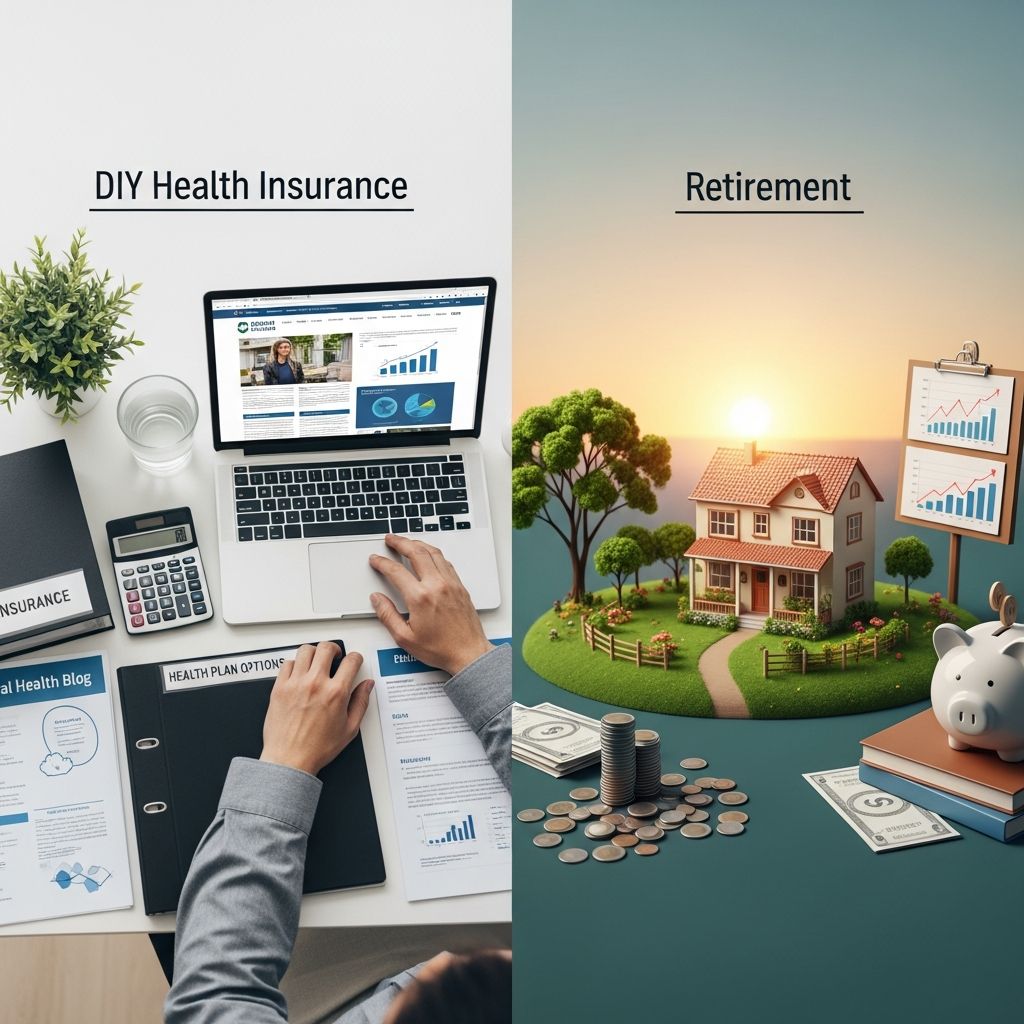
How to Survive a Job Without Benefits: DIY Health Insurance, Retirement, and More
The modern workforce is undergoing a significant transformation. Workers in the gig economy, freelancers, contract workers, and part-time employees increasingly find themselves without the traditional safety net of employer-provided benefits. Whether you’re driving for a rideshare company, freelancing as a writer, working as an independent contractor, or piecing together multiple part-time jobs, you share a common challenge: the responsibility of securing your own health insurance, retirement savings, sick leave, and vacation time.
The traditional employment model that dominated the 20th century guaranteed employees a comprehensive benefits package alongside their salary. However, this landscape has shifted dramatically. Today, millions of workers lack access to employer-sponsored health insurance, retirement matching programs, paid time off, and other essential protections. This trend is expected to accelerate as more companies outsource work to subcontractors and embrace the flexibility of contract labor.
The good news is that while managing your own benefits requires planning and discipline, it’s entirely achievable. With the right strategies and tools, you can create a financial safety net that rivals—and sometimes exceeds—what traditional employers offer.
Understanding the Challenge: Why Gig Workers Lack Benefits
The United States healthcare and employment system was fundamentally designed around employer-sponsored benefits. This structure creates significant obstacles for workers outside traditional employment relationships. The Affordable Care Act (Obamacare) expanded health insurance requirements for employers, but these mandates apply only to permanent, full-time employees. Temporary workers, contract employees, and part-time staff remain excluded from these protections, forcing them to navigate the individual insurance marketplace independently.
This structural disadvantage affects not just health insurance but all aspects of employee benefits. Without an employer to facilitate retirement contributions, negotiate group rates for insurance, or mandate paid time off, gig economy workers must take individual responsibility for each element of their financial security.
1. Do-It-Yourself Health Insurance
Health insurance represents one of the most critical—and often most expensive—benefits to secure independently. The individual health insurance market can feel overwhelming, but several pathways exist to find affordable coverage.
Understanding Your Options
Self-employed individuals and gig workers have multiple avenues for obtaining health coverage. The Health Insurance Marketplace, created under the Affordable Care Act, allows individuals to compare plans and receive subsidies based on income. For those with lower incomes, Medicaid expansion in many states provides coverage at minimal or no cost. Additionally, professional associations and trade groups sometimes offer group health plans to members at rates comparable to employer-sponsored coverage.
Short-term health plans offer temporary coverage for those in transition between jobs or waiting for marketplace coverage to begin. While these plans typically have higher deductibles and don’t cover preexisting conditions, they provide basic catastrophic protection during gaps in coverage.
Shopping for Plans
When evaluating health insurance options, consider your anticipated healthcare needs, prescription medications, and preferred doctors or hospitals. Plans with lower monthly premiums often have higher deductibles, while comprehensive plans with lower out-of-pocket costs carry higher premiums. Finding the right balance depends on your financial situation and health profile.
Maximizing Tax Advantages
Self-employed individuals can deduct 100% of their health insurance premiums from their taxable income, providing significant tax relief. Additionally, Health Savings Accounts (HSAs) paired with high-deductible health plans allow you to set aside pretax dollars specifically for medical expenses. These accounts roll over year to year, creating a personal health fund that can serve as supplementary retirement savings if unused.
2. Building Your Own Retirement Plan
Retirement savings represents the second pillar of self-directed benefits. Without employer matching contributions, you must shoulder the full responsibility for building retirement wealth. However, multiple tax-advantaged vehicles exist to help you accumulate savings efficiently.
Solo 401(k) Plans
Self-employed individuals can establish individual 401(k) plans, also called solo 401(k)s or self-employed 401(k)s. These plans allow significantly higher contribution limits than other retirement accounts—up to $69,000 annually (as of 2024). You make contributions both as an employee and employer, maximizing tax deductions while building substantial retirement wealth.
SEP-IRA and SIMPLE IRA Options
Simplified Employee Pension (SEP) IRAs offer another excellent option for self-employed workers. You can contribute up to 25% of your net self-employment income, up to an annual maximum. SEP-IRAs are easy to establish and maintain, making them ideal for freelancers without complex business structures. SIMPLE IRAs work similarly but have lower contribution limits and are better suited for those with minimal self-employment income.
Traditional and Roth IRAs
Individual Retirement Accounts remain accessible to all gig workers. Traditional IRAs allow tax-deductible contributions up to $7,000 annually (2024), while Roth IRAs accept after-tax contributions but offer tax-free growth and withdrawals. Roth accounts provide particular value for younger workers expecting to be in higher tax brackets during retirement.
Automated Savings Discipline
Regardless of which retirement account you choose, consistency matters more than account type. Set up automatic monthly or quarterly contributions to your selected retirement plan. This automation removes the temptation to skip contributions during lean months and ensures steady wealth accumulation over decades.
3. Do-It-Yourself Sick Leave
Traditional employment provides paid sick days—time to recover from illness without losing income. As a self-employed worker, you face a difficult choice: work while sick (potentially worsening your condition or affecting work quality) or lose income entirely. Strategic planning can eliminate this stressful dilemma.
Create a Dedicated Sick Leave Fund
Establish a separate savings account specifically for sick leave. Contribute regularly—perhaps setting aside the equivalent of one extra work hour per week or a fixed monthly amount. Park this money in a high-yield savings account so it earns interest while you accumulate your safety net. When illness strikes, you can withdraw from this fund to cover living expenses while you recover without depleting your regular emergency fund.
Build Schedule Flexibility Into Your Projects
One of the most effective strategies involves padding your project timelines. If you estimate a project will take five days, commit to your client that you’ll complete it in seven days. This built-in buffer means you can afford to take one or two sick days without missing deadlines or disappointing clients. Over a year, this flexibility prevents stress from forcing you to work through illness.
Maintain an Adequate Emergency Fund
Beyond your dedicated sick leave fund, maintain a broader emergency fund covering three to six months of essential expenses. This fund serves multiple purposes: covering extended illness, handling unexpected health emergencies, or providing income replacement during slower business periods. An emergency fund transforms health crises from catastrophes into manageable setbacks.
Consider Disability Insurance
For workers whose income depends entirely on their ability to work, disability insurance provides crucial protection. Short-term and long-term disability policies replace a portion of your income if illness or injury prevents you from working. While not required like benefits in traditional employment, disability insurance is relatively affordable and protects against potentially devastating income loss.
4. Planning Your Own Vacation Time
Vacation represents another benefit that traditional employees take for granted. When your income stops, vacation costs accumulate in an alarming way: you lose your normal wages while simultaneously spending money on travel, lodging, and entertainment. This dual drain often discourages self-employed workers from taking needed breaks.
Build a Dedicated Vacation Fund
Create a systematic approach to vacation planning by establishing a dedicated vacation fund. Determine your annual vacation spending target, then divide it by 12 to create a monthly contribution goal. Contribute this amount monthly to a separate savings account. This approach ensures you accumulate vacation funds gradually without painful lump-sum withdrawals from your business account.
Budget for Income Replacement
Your vacation fund must cover both travel expenses and lost wages. If you typically earn $3,000 per week, a week-long vacation costs you $3,000 in lost income plus whatever you spend on the vacation itself. Factor this complete cost into your vacation budgeting to avoid returning from vacation with depleted savings.
Flexible Vacation Structures
Consider alternative vacation models that reduce the income hit. Working vacations allow you to maintain partial income while still enjoying travel experiences. You might work during business hours and explore your destination in evenings and on weekends. This hybrid approach lets you take longer breaks while preserving income.
Seasonal Business Planning
If your work is seasonal, structure your vacation during slower periods. If summer typically brings reduced work, schedule major vacations then. Conversely, if you’re busier in summer, plan vacations for slower months. Aligning vacation timing with natural business cycles minimizes income disruption.
The Bigger Picture: Adapting to a Changing Workforce
Currently, most American workers still benefit from traditional employer-sponsored benefits packages. However, economists increasingly expect this landscape to change. As companies continue outsourcing work to contractors and as the gig economy expands, more workers will need to manage their own benefits. The skills you develop now—securing your own health insurance, building retirement savings independently, creating systems for sick leave and vacation time—may soon become essential competencies for all workers, not just freelancers.
Key Takeaways for Self-Directed Benefits
Managing your own benefits requires intentionality, but the financial returns justify the effort. Health insurance protects you against catastrophic medical expenses. Retirement plans build wealth for your future security. Sick leave funds eliminate the stress of illness-caused income loss. Vacation funds enable mental health breaks without financial devastation. Together, these DIY benefits create a comprehensive safety net rivaling traditional employment.
Frequently Asked Questions
Q: Can I deduct health insurance premiums if I’m self-employed?
A: Yes, self-employed individuals can deduct 100% of their health insurance premiums, including premiums for long-term care insurance. This deduction directly reduces your taxable income, providing significant tax relief when combined with other business deductions.
Q: What happens to my Health Savings Account funds if I don’t use them?
A: HSA funds roll over indefinitely with no “use it or lose it” clause. Unused funds accumulate year after year, creating a personal health savings vehicle that can supplement retirement income if you have sufficient other retirement savings.
Q: How much should I contribute to my sick leave fund each month?
A: A reasonable starting point is setting aside 1-2% of your monthly income in a dedicated sick leave fund. This typically provides 2-4 weeks of income replacement for short-term illness. Adjust based on your health history and job demands.
Q: Is disability insurance necessary for self-employed workers?
A: Disability insurance is highly recommended for self-employed workers whose income depends entirely on their ability to work. While not mandatory, it protects against potentially devastating income loss from accident or illness and is relatively affordable.
Q: Can I access unemployment benefits as a freelancer?
A: Traditional freelancers cannot access standard unemployment benefits. However, some states have expanded eligibility to include independent contractors and gig workers. It’s worth checking your state’s specific requirements and applying if you meet the criteria.
Q: What’s the difference between a Solo 401(k) and a SEP-IRA?
A: Solo 401(k)s allow higher annual contributions (up to $69,000) but require more administrative work. SEP-IRAs are simpler to establish and maintain but have lower contribution limits (up to 25% of net income). Choose based on your administrative tolerance and retirement savings goals.
Actionable Steps to Start Today
Begin implementing these strategies immediately rather than waiting for the perfect moment. Research health insurance options on your state’s marketplace this week. Open a separate high-yield savings account for your sick leave fund and make your first deposit. Meet with a financial advisor or use online resources to establish a retirement account appropriate for your business structure. These foundational steps, taken now, will compound into substantial financial security over time.
References
- How to Survive a Job Without Benefits: DIY Health Insurance, Retirement, and Vacation — Money Crashers. Retrieved from https://www.moneycrashers.com/survive-job-without-benefits-health-insurance-retirement-vacation/
- Health Insurance Marketplace — U.S. Centers for Medicare & Medicaid Services (CMS). Retrieved from https://www.healthcare.gov/
- How to Prepare Financially & Survive Unemployment or Job Loss — Money Crashers. Retrieved from https://www.moneycrashers.com/prepare-finances-survive-unemployment-job-loss/
- Self-Employment Tax (Social Security and Medicare Taxes) — Internal Revenue Service (IRS). Retrieved from https://www.irs.gov/businesses/self-employed-individuals-tax-center
- Retirement Plans for Self-Employed People — Internal Revenue Service (IRS). Retrieved from https://www.irs.gov/retirement-plans/retirement-plans-for-self-employed-people
Similar Articles








Read full bio of Sneha Tete