Supply in Economics: Definition, Factors & Market Impact
Understanding supply: How production capacity and pricing dynamics shape markets.
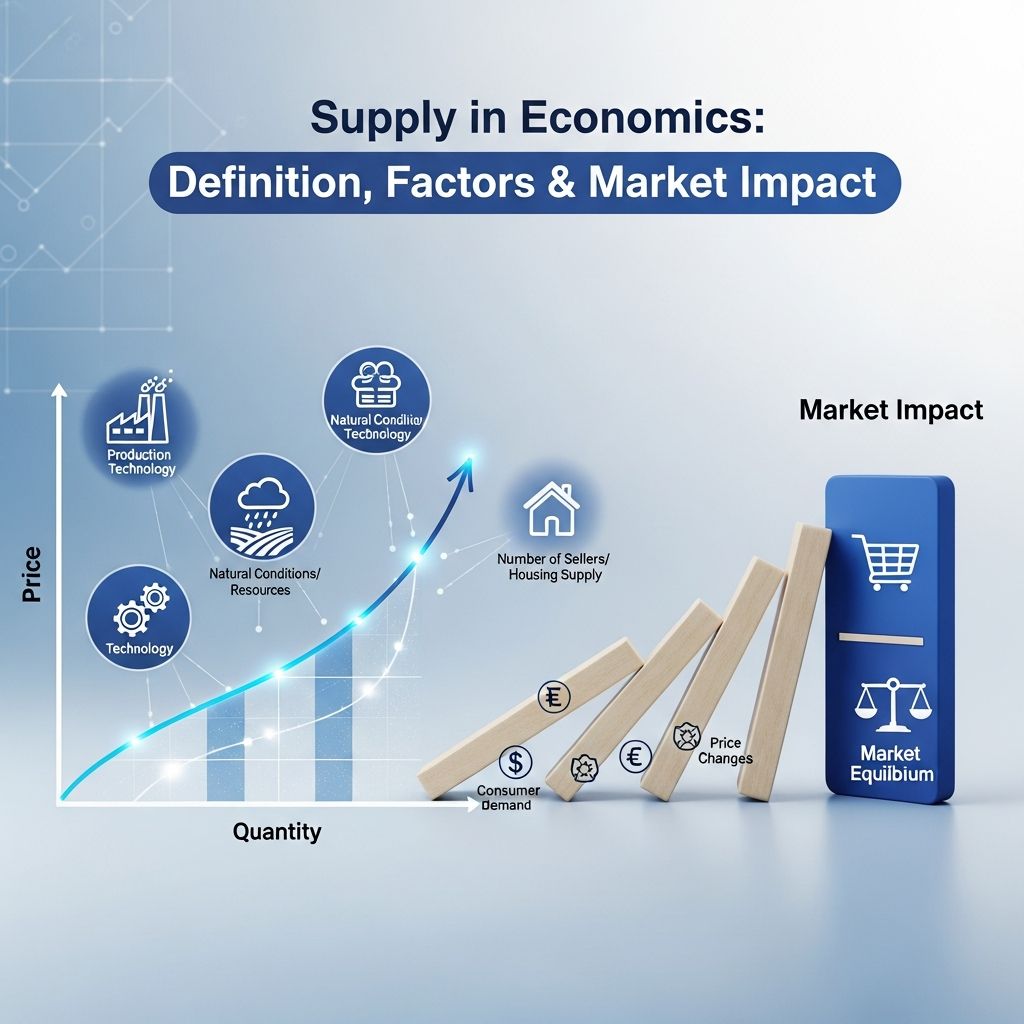
What Is Supply?
Supply refers to the quantity of goods and services that producers are willing and able to offer for sale at various price points during a specific period. In economic terms, supply represents the total amount of a particular product or service available to consumers at a given time. It is one of the fundamental concepts in microeconomics and plays a critical role in determining market equilibrium alongside demand.
Supply is not simply about the availability of products; it encompasses the producers’ willingness to bring those products to market at different price levels. When prices are higher, suppliers generally have a greater incentive to produce and sell more products. Conversely, when prices fall, the motivation to supply diminishes, often leading to a reduction in production.
Understanding supply is essential for businesses, investors, policymakers, and consumers alike, as it directly influences product pricing, market competition, and overall economic health. Supply curves and supply functions help economists model and predict market behavior.
The Fundamentals of Supply and Demand
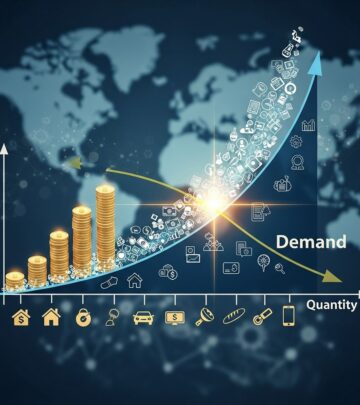
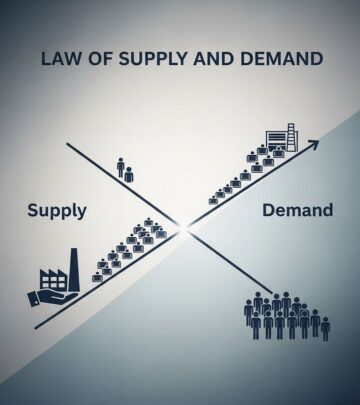
Supply and demand form the cornerstone of economic theory. While supply represents the quantity producers wish to sell, demand represents the quantity consumers wish to purchase. The interaction between these two forces determines market price and quantity in competitive markets.
When demand exceeds supply, prices typically rise, as consumers compete for limited products. This price increase signals to producers that they should increase production. Conversely, when supply exceeds demand, prices tend to fall, signaling producers to reduce production. This natural equilibration process helps markets function efficiently.
The relationship between supply and demand can be illustrated through a simple framework:
- Excess Demand: Shortage occurs when quantity demanded exceeds quantity supplied, leading to upward price pressure
- Equilibrium: Market clears when quantity supplied equals quantity demanded at the equilibrium price
- Excess Supply: Surplus occurs when quantity supplied exceeds quantity demanded, leading to downward price pressure
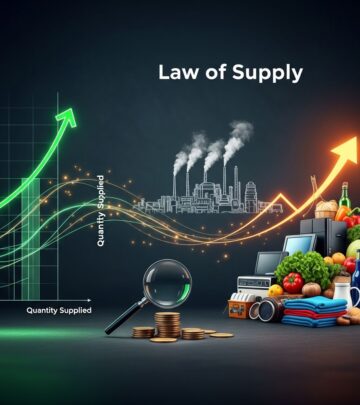
Understanding the Law of Supply
The law of supply is a fundamental economic principle stating that there is a direct positive relationship between the price of a good and the quantity supplied. In other words, as prices increase, producers are willing to supply larger quantities of the product, assuming all other factors remain constant (ceteris paribus).
This relationship exists for several logical reasons:
- Profit Incentive: Higher prices mean greater profit margins, motivating producers to increase production
- Resource Allocation: Producers shift resources toward profitable products when prices rise
- Market Entry: Higher prices attract new competitors to enter the market, increasing total supply
- Production Capacity: Existing firms may utilize previously idle capacity when prices justify the additional production costs
The law of supply assumes that production technology, input costs, and other external conditions remain unchanged. When these factors change, the supply curve itself shifts rather than moving along the existing curve.
The Supply Curve Explained
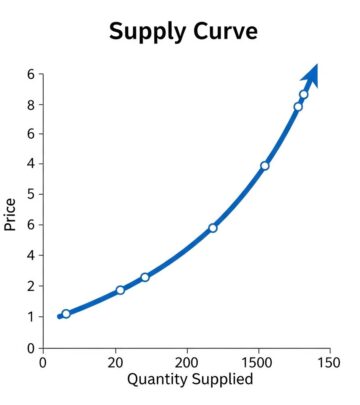
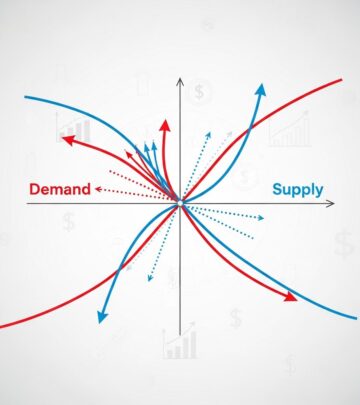
The supply curve is a graphical representation of the relationship between price and quantity supplied. Typically plotted on a coordinate system with price on the vertical axis and quantity on the horizontal axis, the supply curve generally slopes upward from left to right, reflecting the positive relationship between price and quantity supplied.
Key characteristics of supply curves include:
- Upward Slope: The positive slope reflects the law of supply
- Movement Along the Curve: Price changes cause movement along the supply curve
- Shifts in the Curve: Changes in non-price factors cause the entire curve to shift left or right
- Elasticity: The steepness indicates how responsive quantity supplied is to price changes
Different products have different supply curves. For example, agricultural products often have steeper, more inelastic supply curves in the short run due to production cycles, while manufactured goods may have more elastic supply curves as production can be adjusted more quickly.
Factors Affecting Supply
While price is the primary determinant shown on a supply curve, numerous other factors influence the overall supply in a market. These non-price determinants cause shifts in the supply curve itself:
Production Technology and Innovation
Improvements in technology increase production efficiency, allowing producers to supply more at each price point. Conversely, outdated technology reduces efficiency and supply. Technological breakthroughs, automation, and process improvements shift the supply curve rightward, increasing supply.
Input Costs and Resource Availability
The cost of raw materials, labor, energy, and other production inputs directly impacts supply. When input costs rise, producers face higher production expenses, reducing profitability and supply. Conversely, falling input costs increase supply. Scarcity of key resources can severely constrain supply regardless of price levels.
Number of Producers and Market Structure
The number of firms in an industry directly affects total market supply. More competitors generally mean greater supply. Market consolidation or business closures reduce supply. Entry and exit barriers also influence how easily supply can adjust to market conditions.
Expectations and Future Price Forecasts
If producers expect prices to rise in the future, they may reduce current supply to sell later at higher prices. Alternatively, if they expect prices to fall, they may increase current supply. These expectations significantly influence present supply decisions, even without current price changes.
Prices of Related Goods
Producers often choose between producing different products based on profitability. If the price of a substitute product rises dramatically, producers may switch production toward that more profitable good, reducing supply of the original product.
Government Policies and Regulations
Subsidies, taxes, price controls, environmental regulations, and trade policies directly impact supply. Subsidies encourage production by reducing costs, while taxes increase costs and reduce supply. Regulatory compliance costs also affect supply decisions.
Natural Disasters and External Shocks
Earthquakes, droughts, pandemics, wars, and other unforeseen events can drastically reduce supply by damaging infrastructure, disrupting supply chains, or making production impossible. COVID-19 demonstrated how global supply chains can be severely disrupted by external shocks.
Short-Run vs. Long-Run Supply
Supply behavior differs significantly depending on the time horizon considered:
Short-Run Supply
In the short run, producers have limited ability to adjust production. Capital equipment, factory capacity, and labor contracts are relatively fixed. Supply becomes relatively inelastic, meaning quantity supplied doesn’t respond dramatically to price changes. Producers primarily adjust by varying variable costs like labor hours and raw material usage.
Long-Run Supply
In the long run, all production factors become variable. Producers can build new factories, invest in new technology, hire additional workers, and expand operations significantly. This flexibility makes long-run supply more elastic. Prices have greater influence on quantity supplied as producers fully adjust their production capacity.
Price Elasticity of Supply
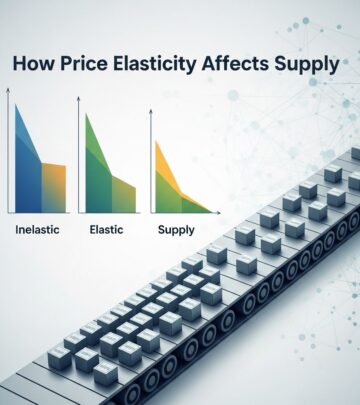
Price elasticity of supply measures how responsive quantity supplied is to price changes. It is calculated as the percentage change in quantity supplied divided by the percentage change in price.
- Elastic Supply: Quantity supplied changes significantly with price changes (elasticity > 1)
- Inelastic Supply: Quantity supplied changes minimally with price changes (elasticity < 1)
- Unit Elastic Supply: Percentage change in quantity equals percentage change in price (elasticity = 1)
Elasticity depends on product type, time available to adjust production, availability of inputs, and ease of shifting resources. Agricultural products often have inelastic supply, while manufactured goods typically have more elastic supply.
Market Equilibrium and Supply
Market equilibrium occurs where quantity supplied equals quantity demanded, resulting in a stable market price with no tendency to change. At the equilibrium price, all willing buyers can purchase desired quantities, and all willing suppliers can sell desired quantities.
When price exceeds equilibrium, surplus occurs—suppliers cannot sell all they’ve produced. This prompts price reductions and supply adjustments. When price falls below equilibrium, shortage occurs—suppliers cannot meet demand. This triggers price increases and supply expansion. These natural corrective mechanisms drive markets toward equilibrium.
Real-World Supply Examples
Oil Markets: Global oil supply responds to both price incentives and geopolitical events. Higher oil prices encourage drilling in expensive locations, while conflicts in producing regions can suddenly restrict supply regardless of price.
Agricultural Commodities: Weather patterns dramatically affect agricultural supply. A drought reduces crop supply, while favorable conditions increase it. Technology improvements in farming have expanded global food supply significantly.
Technology Products: Semiconductor supply has become critical for modern economies. Production capacity constraints and geopolitical tensions affecting manufacturing regions have repeatedly created shortages despite high prices.
Frequently Asked Questions
Q: What is the difference between quantity supplied and supply?
A: Quantity supplied refers to the specific amount supplied at a particular price point, while supply encompasses the entire relationship between price and quantity supplied across all price levels, represented by the supply curve.
Q: Why does supply curve slope upward?
A: The supply curve slopes upward because of the law of supply—as prices increase, producers are willing to supply greater quantities due to increased profit incentives.
Q: How do taxes affect supply?
A: Taxes increase production costs for suppliers, reducing profitability and causing the supply curve to shift leftward, decreasing overall supply in the market.
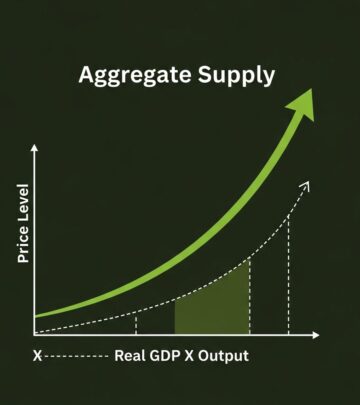
Q: What is the difference between supply and aggregate supply?
A: Supply refers to one particular good or service, while aggregate supply represents the total output of all goods and services in an entire economy.
Q: How do technological advances impact supply?
A: Technological improvements increase production efficiency, allowing producers to supply more at lower costs, which shifts the entire supply curve rightward, increasing market supply.
Q: Can supply be negative?
A: No, supply cannot be negative. It represents quantities available for sale, which cannot fall below zero, though it can approach zero if production becomes economically unfeasible.
References
- Principles of Microeconomics — OpenStax. 2023. https://openstax.org/books/principles-microeconomics/pages/1-introduction
- Supply and Demand: An Introduction — U.S. Bureau of Labor Statistics. 2024. https://www.bls.gov/
- The Law of Supply in Economics — OECD. 2024. https://www.oecd.org/
- Price Elasticity of Supply and Market Dynamics — International Monetary Fund Economic Review. 2023. https://www.imf.org/
- Global Supply Chain Disruptions and Economic Impact — World Bank. 2024. https://www.worldbank.org/
Similar Articles








Read full bio of medha deb