Supply Chain Shortages in 2025: What to Expect and What to Stockpile Now
Prepare for 2025 supply chain disruptions with this guide to looming shortages and smart stockpiling strategies for essentials.
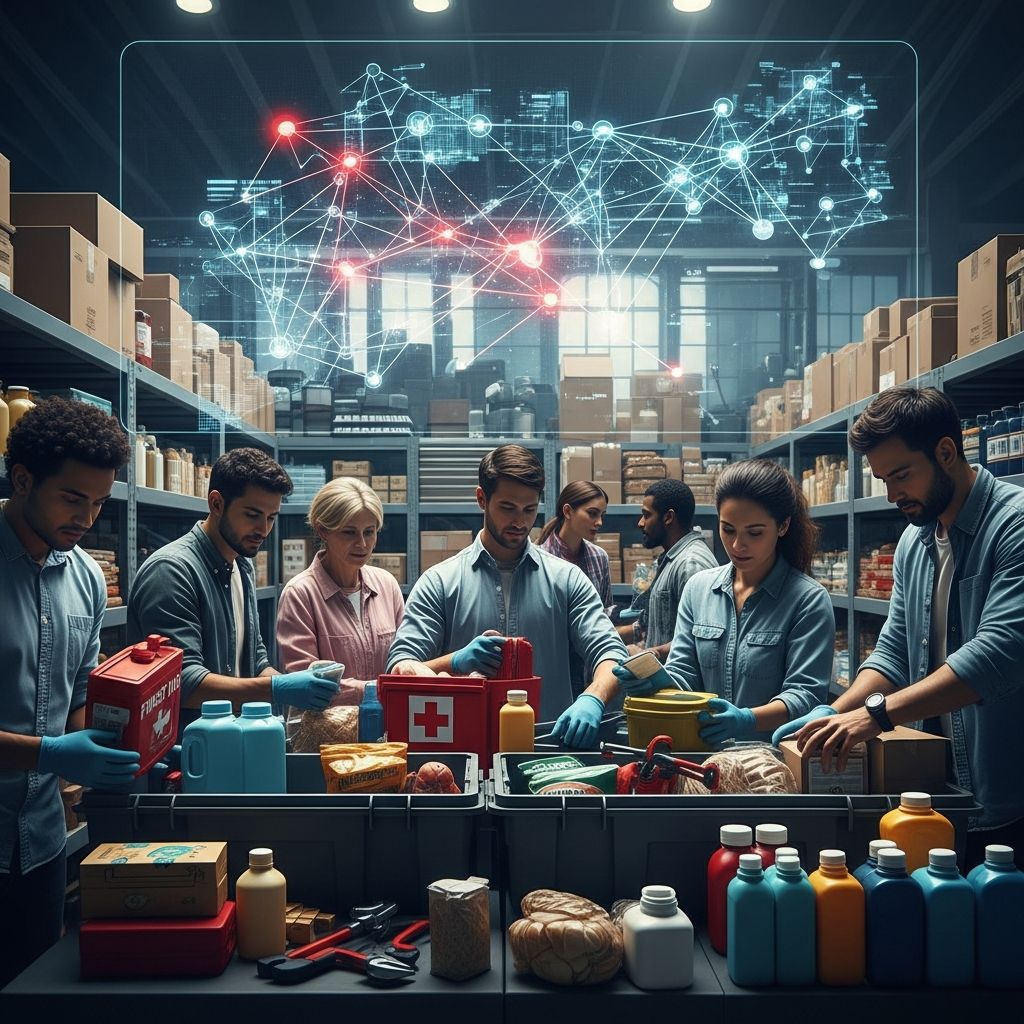
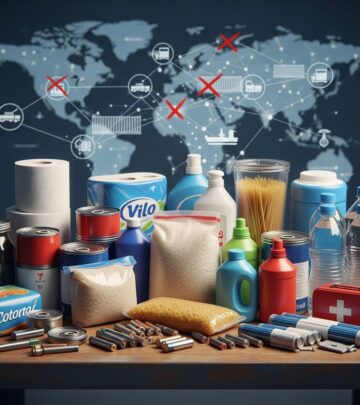
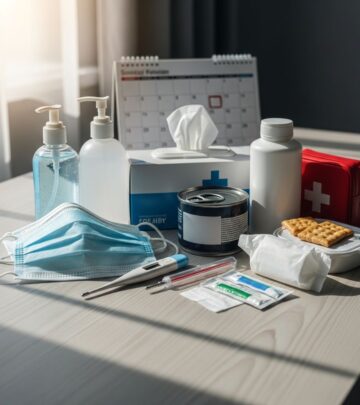
The era of pandemic-driven stockpiling for masks and sanitizers may be behind us, but supply chain vulnerabilities endure. In 2025, fresh challenges from extreme weather, geopolitical conflicts, labor gaps, and transportation woes threaten access to everyday essentials. This guide breaks down the causes, highlights 11 key products at risk, and offers practical tips to prepare without panic buying.
Why Supply Chain Problems Persist in 2025
Global supply chains remain fragile, built on ‘just-in-time’ inventory models that leave little buffer for disruptions. Small delays in raw materials quickly cascade into widespread shortages, amplified by converging crises.
- Extreme weather and climate events: Floods, droughts, and storms disrupt farming, processing, and shipping routes worldwide.
- Geopolitical tensions: Ongoing conflicts, like the war in Ukraine, restrict grain exports and escalate trade barriers.
- Labor shortages: The U.S. faces a 1.7 million worker deficit, with participation rates below pre-pandemic levels, hitting agriculture, manufacturing, and trucking hard.
- Transportation bottlenecks: Congested ports, rail delays, and trucker shortages slow goods movement globally.
- Rising costs and inflation: Elevated transport and energy prices force production cuts and price hikes, even as overall inflation eases slightly.
“Supply chain troubles persist because global logistics are still founded on fragile just-in-time structures. Small delays in raw materials cascade downstream, especially when capacity bottlenecks like port congestion, driver shortages or scarce semiconductor foundries converge with escalating demand.” — Randall Yates, co-founder, VA Loan Network.
These factors create a ‘perfect storm’ for consumers, leading to empty shelves, surging prices, and rationing in stores.
11 Products to Buy Now Before Shortages Hit
Focus on shelf-stable items with long expiration dates. Prioritize sales and bulk buys from trusted retailers to stretch your budget.
1. Canned Vegetables and Soup
Aluminum shortages, coupled with weather-damaged crops, squeeze canned goods supply. Stock versatile options like beans, corn, and hearty soups for quick meals.
2. Pasta and Rice
Ukraine’s grain production disruptions from war drive up prices and limit availability. Opt for long-grain rice and various pasta shapes for pantry staples.
3. Coffee
Major producers Brazil and Colombia face droughts and frosts, slashing output and spiking global prices by double digits. Buy whole beans or ground in bulk.
4. Baby Formula
Post-2022 recovery is precarious due to few manufacturers and stringent FDA regulations. Parents should secure 2-4 weeks’ supply ahead.
5. Frozen Fruits and Vegetables
Crop losses, staffing shortages at plants, and soaring energy costs hinder freezing operations. Berries, peas, and spinach are prime targets.
6. Dairy Products
High feed costs and vet shortages reduce milk output, hitting butter, cheese, and yogurt. Freeze extras or choose powdered milk alternatives.
7. Meat and Poultry
Labor gaps in processing plants and avian flu outbreaks limit supply. Ground beef, chicken, and canned tuna face intermittent shortages.
8. Eggs
Bird flu culls millions of hens, while feed inflation cuts production. Stock cartons with distant sell-by dates or consider powdered eggs.
9. Bread and Flour
Grain shortages ripple into baking staples. All-purpose flour and yeast are must-buys for home bakers.
10. Toilet Paper
Pulp shortages from logging disruptions and trucking delays revive pandemic-era fears. Buy in multi-packs during promotions.
11. Batteries
Lithium demand from EVs outpaces mining, causing delays. AA, AAA, and rechargeable packs are essential for devices and emergencies.
Other Products Affected by Supply Chain Shortages
Beyond food, hygiene, and basics, watch these categories:
Personal Care and Hygiene
- Feminine Hygiene Products: Cotton shortages and super-absorbent polymer issues from weather and shipping woes.
- Toothpaste: Deficits in calcium carbonate and sorbitol key ingredients.
- Dish Soap: Imported surfactants and preservatives face delays.
Medications and Health
- Prescription Medications: Track via the American Society of Health-System Pharmacists database; stock 30-90 days where possible.
- Cold and Flu Remedies: Overseas ingredients for acetaminophen, ibuprofen, and syrups are vulnerable this season.
Household and Misc
- Canning Supplies: Lids, jars, and pectin for home preservation.
- Electric Vehicles & Electronics: Chip and battery shortages delay computers, phones, and EVs.
| Category | Risk Factors | Stockpile Tips |
|---|---|---|
| Food Staples | Weather, war | Buy non-perishables on sale |
| Hygiene | Shipping, raw materials | Multi-packs, long shelf life |
| Health/Meds | Regulations, imports | Consult doctor, monitor lists |
| Household | Labor, demand surge | Essentials only, rotate stock |
How to Prepare Without Overbuying
Smart stockpiling saves money and stress:
- Assess needs: Calculate 4-8 weeks’ usage per item based on household size.
- Hunt deals: Use apps for coupons, buy-one-get-one offers on shelf-stable goods.
- Storage smart: Cool, dry spots; FIFO (first in, first out) rotation.
- Alternatives: Learn substitutes like powdered eggs or homemade cleaners.
- Community: Share bulk buys with neighbors to split costs.
Avoid hoarding pitfalls — overbuying leads to waste and higher prices for others. Check expiration dates quarterly.
Frequently Asked Questions (FAQs)
What causes 2025 supply chain shortages?
Key drivers include extreme weather, geopolitical tensions like the Ukraine war, U.S. labor shortages of 1.7 million workers, port congestion, and persistent inflation raising costs.
Should I stockpile food now?
Yes, focus on non-perishables like canned veggies, pasta, rice, and coffee with long shelf lives. Aim for 4-8 weeks’ supply bought on sale.
Are baby formula shortages back?
The industry is fragile post-2022 due to limited manufacturers and regulations; parents should maintain a buffer supply.
How do I track medication shortages?
Use the American Society of Health-System Pharmacists database for real-time updates on prescription drugs.
Will toilet paper run out again?
Pulp and logistics issues pose risks; stock reasonably during promotions.
What about non-food items like batteries?
Lithium demand from EVs strains supply; grab AA/AAA packs for essentials.
References
- Monthly Labor Force Participation Rates — U.S. Bureau of Labor Statistics. 2025-10-01. https://www.bls.gov/news.release/empsit.nr0.htm
- Drug Shortages Database — American Society of Health-System Pharmacists. 2025-12-01. https://www.ashp.org/drug-shortages
- Global Coffee Production Report — International Coffee Organization. 2025-09-15. https://www.ico.org/documents/cy2024-25/cmr-0925-e.pdf
- U.S. Port Congestion Statistics — U.S. Army Corps of Engineers. 2025-11-20. https://www.iwr.usace.army.mil/Missions/Ports/
- USDA Crop Production Summary — United States Department of Agriculture. 2025-12-10. https://www.nass.usda.gov/Publications/Todays_Reports/reports/cropan25.pdf
- World Grain Market Report — USDA Foreign Agricultural Service. 2025-08-15. https://www.fas.usda.gov/data/world-grain-market-report
Similar Articles








Read full bio of medha deb