Supply Chain Issues in 2025: What to Stock Up On Now
Navigate 2025 supply chain disruptions: Learn which products face shortages and what to buy now to avoid price hikes.
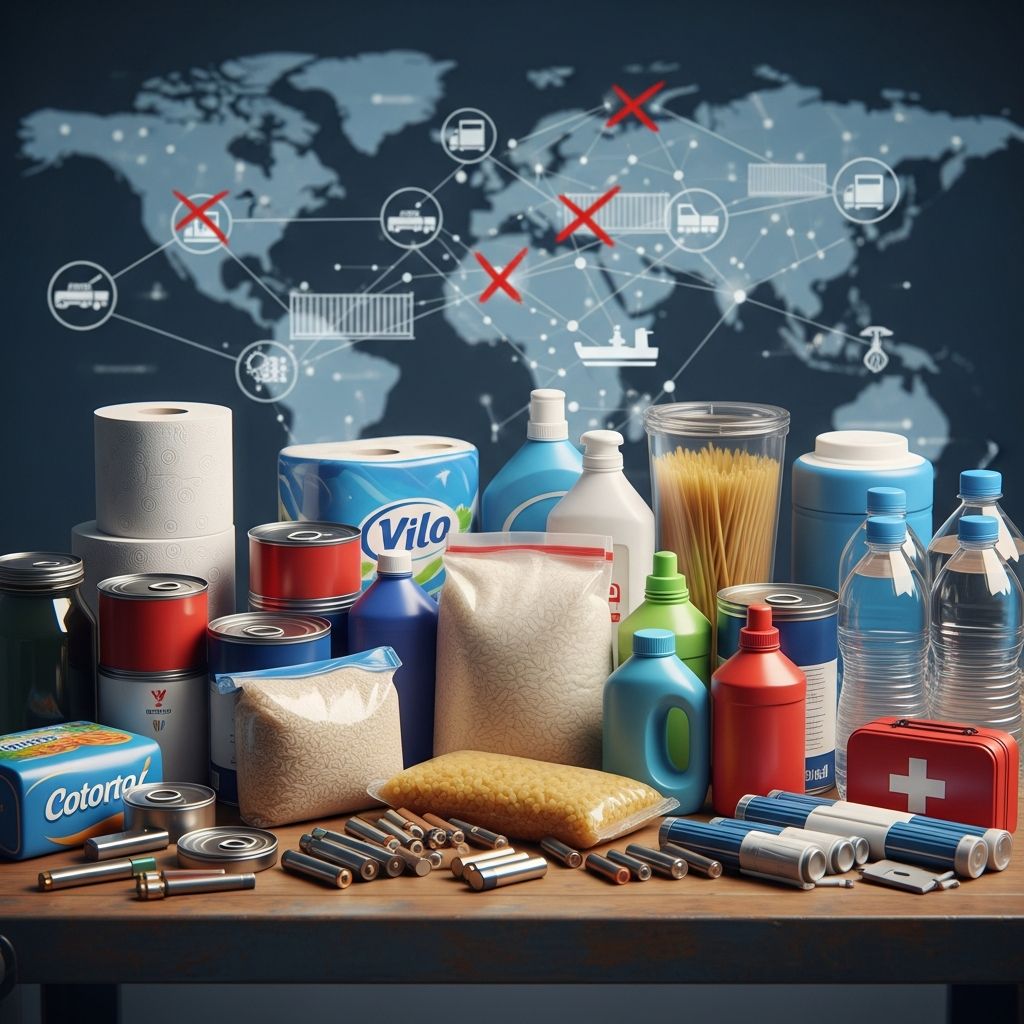
The lingering effects of pandemic-era supply chain disruptions continue to shape consumer experiences in 2025, but the challenges facing global logistics have evolved considerably. While the frantic days of hoarding masks and disinfecting wipes have passed, a new wave of supply chain complications has emerged, driven by factors ranging from extreme weather patterns to geopolitical tensions. Understanding these dynamics and knowing which products to prioritize for stockpiling can help you save money and ensure access to essential goods throughout the year.
Why Supply Chain Problems Persist in 2025
Modern supply chains operate on a delicate equilibrium that depends on seamless coordination between labor, transportation infrastructure, and raw materials. When any of these pillars experiences disruption, the effects cascade throughout the entire system, creating widespread shortages and price increases. The challenges we face in 2025 are multifaceted and interconnected, making simple solutions impossible.
The U.S. labor market continues to struggle with a significant workforce deficit of approximately 1.7 million workers, with labor force participation rates remaining below pre-pandemic levels. This shortage directly impacts industries responsible for manufacturing, harvesting, and transporting goods. Without sufficient human capital to meet production demands, inevitable slowdowns occur that ripple through supply chains globally.
Transportation infrastructure represents another critical vulnerability. Ports worldwide face mounting congestion that delays shipments, while the trucking and rail industries struggle to accommodate growing demand with limited capacity. These bottlenecks create cascading delays that push delivery timelines backward and increase operational costs.
Climate change and extreme weather events continue to disrupt agricultural production and transportation networks. Unpredictable weather patterns damage crops, disrupt harvest schedules, and create transportation delays that prevent products from reaching distribution centers and retail locations on schedule. Mother Nature’s unpredictability has become a permanent fixture in supply chain planning.
Geopolitical tensions compound these challenges significantly. Trade conflicts and international disputes directly impact companies that depend on importing products and component parts from overseas suppliers. These tensions create uncertainty that makes planning and forecasting extraordinarily difficult for manufacturers and retailers alike.
Inflation, though moderating from pandemic peaks, remains elevated relative to pre-pandemic baseline levels. Higher inflation directly increases transportation costs, forcing businesses to fundamentally reconsider their logistics strategies and cost structures. This inflationary pressure makes it more expensive to move goods across distances, affecting prices consumers ultimately pay.
As one financial expert explains, “Supply chain troubles persist because global logistics are still founded on fragile just-in-time structures. Small delays in raw materials cascade downstream, especially when capacity bottlenecks like port congestion, driver shortages or scarce semiconductor foundries converge with escalating demand.” This reality underscores why even minor disruptions create major problems.
Six Foods Most Likely to Face Supply Chain Shortages in 2025
The agricultural sector forms the backbone of grocery supply chains throughout the United States. Various factors—from weather-related crop damage to packaging material availability—can significantly impact what appears on supermarket shelves. Understanding which foods face the greatest risk helps you make strategic purchasing decisions.
1. Canned Vegetables and Soup
Aluminum shortages have created substantial challenges for the canned goods market. The situation is further complicated by weather-related crop failures that reduce the availability of vegetables destined for canning. As aluminum becomes scarcer and more expensive, manufacturers face difficult decisions about production levels and pricing strategies.
2. Pasta and Rice
The ongoing conflict in Ukraine has created significant disruptions in global grain production. Major grain-producing regions in Eastern Europe have experienced substantial reductions in output, generating legitimate concerns about potential shortages and significant price increases for staple carbohydrates throughout 2025.
3. Coffee
Weather disruptions in primary coffee-producing nations, particularly Brazil and Colombia, have created concerning supply constraints. International coffee prices have experienced notable spikes in response to these production challenges, affecting prices at retail locations worldwide. Coffee lovers should expect to pay premium prices for their favorite beverage.
4. Baby Formula
The infant formula industry has recovered from the severe shortages experienced in 2022, but the industry remains vulnerable. A limited number of manufacturers combined with strict regulatory requirements means that even modest disruptions could trigger another crisis. Parents should remain vigilant about supply availability.
5. Frozen Fruits and Vegetables
Beyond weather-related crop damage affecting raw materials, processing facilities face significant obstacles. Staffing shortages and escalating energy costs strain operations at frozen food processing plants, reducing output capacity and potentially limiting product availability on store shelves throughout the year.
6. Dairy Products
The dairy industry faces mounting production pressures from elevated feed costs and critical shortages of veterinary labor. These factors have reduced the overall volume of dairy products being manufactured, potentially limiting availability of butter, cheese, milk, and yogurt.
Six Personal and Household Products to Stock Up On Now
Beyond groceries, numerous personal care and household cleaning products face supply chain vulnerabilities. Strategic stockpiling of these items can help you avoid price increases and ensure you maintain adequate supplies throughout 2025.
1. Toilet Paper
Toilet paper shortages appear poised to make another appearance in 2025. Tariffs on pulp—the raw material essential for manufacturing bathroom tissue—threaten to increase prices and potentially limit availability. Consumers should consider stocking up before additional tariff-driven price increases take effect.
2. Laundry Detergent
Supply chain disruptions threaten laundry detergent availability from multiple angles. Both the chemical surfactants used as active cleaning agents and the packaging materials used for containing the product face potential tariffs and supply constraints. Prices may increase substantially, making advance purchasing strategically wise.
3. Deodorant
Deodorant products contain aluminum—the same material facing significant shortages that affect canned goods. Additionally, deodorant packaging faces tariff-related cost increases. Consumers should anticipate both availability challenges and price increases for this essential personal care item.
4. Feminine Hygiene Products
Tampons and pads depend on cotton as a primary raw material. Climate issues and shipping constraints have disrupted cotton availability and pricing. Furthermore, the super-absorbent polymers essential for product functionality have experienced production disruptions, potentially affecting both availability and pricing.
5. Toothpaste
Two critical toothpaste ingredients—calcium carbonate and sorbitol—currently face supply shortages. These constraints could limit toothpaste availability and drive price increases at retailers. Maintaining an adequate personal stock of toothpaste provides protection against future supply disruptions.
6. Dish Soap
Dish soap production depends on internationally sourced ingredients including surfactants and preservatives. Supply constraints affecting these imported components may complicate dish soap availability. Stocking up on this essential cleaning product protects against future shortages and price increases.
Strategic Stockpiling Tips and Best Practices
Effective stockpiling requires more than simply purchasing items in bulk. Strategic approaches help maximize your savings while ensuring products remain usable before expiration dates.
- Check expiration dates: Verify that stockpiled items have adequate shelf life remaining, allowing sufficient time for use before products expire.
- Rotate inventory: Use older products first while storing newer purchases for future use, ensuring nothing spoils or expires.
- Store appropriately: Maintain proper storage conditions for temperature-sensitive items, perishables, and products requiring specific environmental controls.
- Monitor prices: Track pricing trends for essential items, purchasing when prices drop rather than waiting until shortages drive costs skyward.
- Compare brands: Generic and store brands often match name-brand quality while offering lower prices, maximizing your stockpiling budget.
- Consider space constraints: Calculate available storage space realistically before committing to large bulk purchases.
How Supply Chain Issues Affect Consumer Prices
Supply chain disruptions don’t merely create temporary inconveniences—they directly impact the prices consumers pay. When supply becomes constrained relative to demand, prices typically increase. Manufacturers facing higher raw material costs, elevated transportation expenses, and limited production capacity often pass these costs to consumers through retail price increases.
The relationship between supply constraints and pricing extends beyond simple supply-and-demand economics. When specific ingredients become scarce—as has occurred with aluminum, coffee, and certain agricultural products—manufacturers must decide whether to absorb costs, reduce product size or quality, or increase prices. Most commonly, they pursue combinations of these strategies, with price increases affecting consumers most directly.
For imported products and commodities not produced domestically, supply chain volatility creates additional pricing uncertainty. Coffee provides a particularly clear example: as a primarily imported commodity subject to weather disruptions in distant countries, coffee prices can fluctuate dramatically based on factors entirely outside the U.S. economy. Consumers bear the brunt of these international supply shocks through higher retail prices.
Preparing for 2025 Supply Chain Challenges
Beyond stockpiling, several strategies help you navigate supply chain challenges effectively. Staying informed about emerging supply chain issues allows you to purchase affected items before prices increase. Diversifying your shopping locations prevents dependency on single retailers, who may experience their own supply constraints.
Building relationships with local suppliers and alternative retailers creates backup options when primary sources experience shortages. Subscribing to alerts about price changes and supply availability keeps you informed about optimal purchasing windows. Finally, maintaining flexibility in product choices—being willing to substitute brands or slightly different products—helps you find alternatives when preferred items become unavailable.
Frequently Asked Questions
Q: How long do supply chain issues typically last?
A: Supply chain disruptions vary significantly in duration depending on their underlying causes. Weather-related issues might resolve within months, while structural problems like labor shortages or geopolitical tensions can persist for years. Current experts suggest challenges will likely continue throughout 2025 and potentially beyond.
Q: Is stockpiling products actually cost-effective?
A: Yes, strategic stockpiling typically saves money when you purchase items before prices increase due to supply constraints. However, stockpiling only provides savings if you actually use the products before they expire. Purchasing more than you can realistically use wastes money and storage space.
Q: Which supplies should be my stockpiling priority?
A: Prioritize non-perishable essentials that you use regularly, including household staples like toilet paper, laundry detergent, and dish soap, along with canned vegetables and other shelf-stable foods. Focus on items with longer shelf lives and products you definitely will use.
Q: How much should I stockpile of each product?
A: Stockpile enough inventory to cover several months of normal usage, typically three to six months depending on available storage space. Avoid excessive quantities that exceed realistic consumption rates or exceed storage capacity.
Q: Will supply chain issues cause food shortages in 2025?
A: While supply chain challenges may create occasional product shortages in specific locations, widespread food shortages affecting most consumers seem unlikely. However, availability may fluctuate, and prices will likely remain elevated.
Q: Where should I store stockpiled items?
A: Store items in cool, dry locations away from direct sunlight. Basements, closets, and pantries typically provide appropriate storage. Avoid areas subject to temperature fluctuations or moisture, which can damage products.
References
- Supply Chain Shortages in 2025: What to Expect and What to Stockpile Now — The Penny Hoarder. 2025. https://www.thepennyhoarder.com/save-money/supply-chain-shortages/
- The Changing Cost of the Grocery Cart: The Impact of Inflation on Groceries — KESQ/Stacker Money. 2026-01-06. https://kesq.com/stacker-money/2026/01/06/the-changing-cost-of-the-grocery-cart-the-impact-of-inflation-on-groceries/
- Supply Chain Shortages: 15 Things You Should Buy Before Prices Go Up — The Penny Hoarder. 2022-09-22. https://www.youtube.com/watch?v=B_DKdgVom4A
- What Is Stagflation and How It Affects You — The Penny Hoarder. https://www.thepennyhoarder.com/save-money/what-is-stagflation/
Similar Articles








Read full bio of medha deb