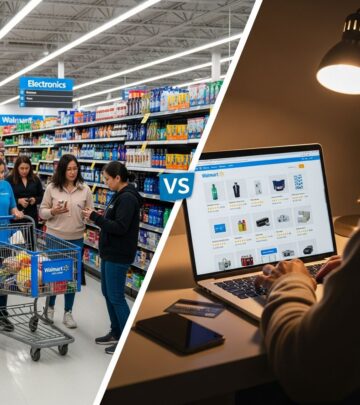
Grocery Price Comparison Spreadsheet Free Printable Template
Print this free supermarket comparison worksheet to compare grocery prices across stores and slash your monthly food bill effortlessly.
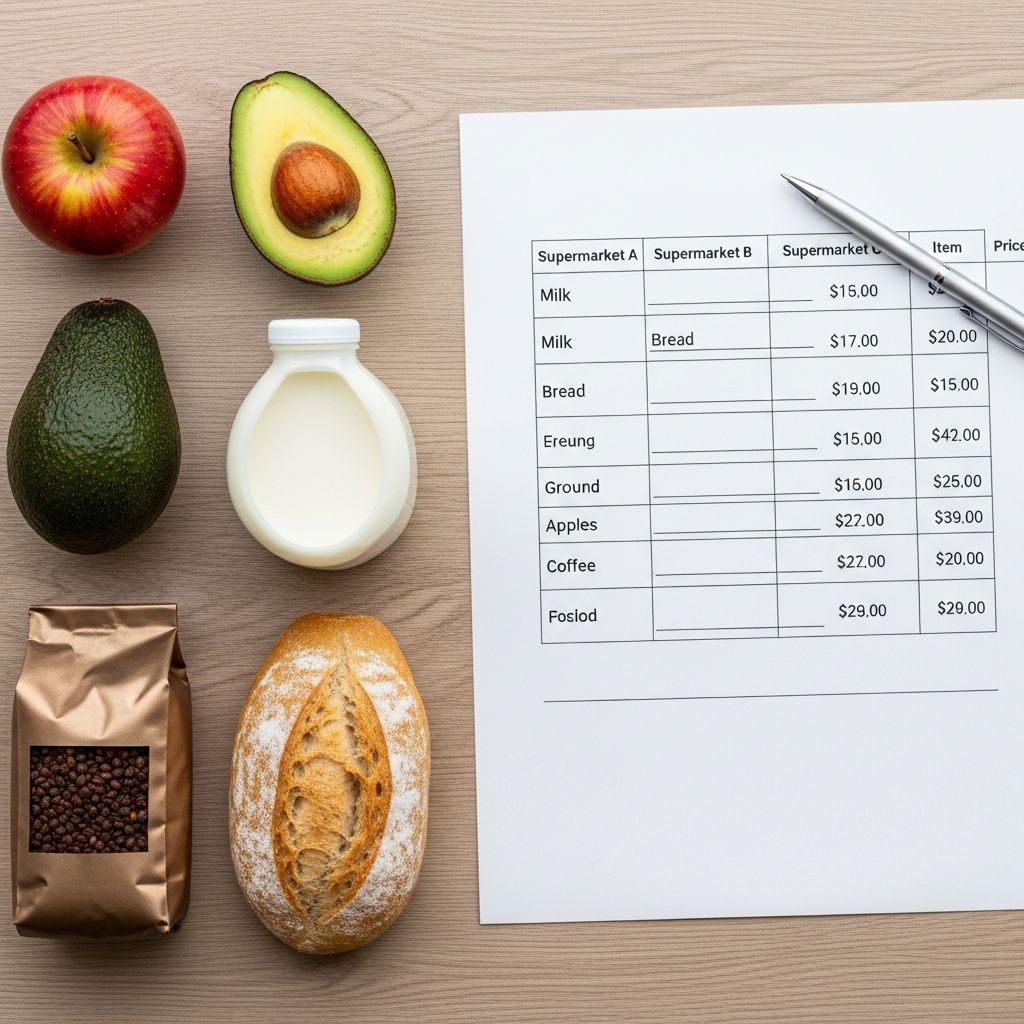
We created a supermarket comparison template for you to print out and complete yourself. This way, you’ll automatically get the most bang for your grocery budget buck — no matter what’s on your list. Comparing prices across stores ensures you shop where your staples cost the least, turning a routine chore into a savings strategy.
Save Money on Groceries — Every Single Time
Grocery prices fluctuate dramatically between retailers, often by 20-50% on common items like milk, bread, and produce. By identifying the store with the lowest prices for your frequently bought goods, you can redirect your budget to other needs or fun extras. This method requires initial effort but delivers ongoing, effortless savings.
Everyone’s shopping list varies based on family size, dietary preferences, and regional availability. That’s why a customizable worksheet is essential — it adapts to your needs, whether you’re feeding a large family or shopping solo. Skip bulk items like toilet paper, which are better sourced from warehouse clubs, and focus on weekly essentials.
How to Use the Grocery Comparison Worksheet
Comparing supermarkets demands upfront time: visiting multiple stores, noting prices, and calculating per-unit costs. Though it feels like detective work, the reward is automatic savings on future trips. Once complete, you’ll know exactly where to shop without second-guessing.
1. List Your Staples
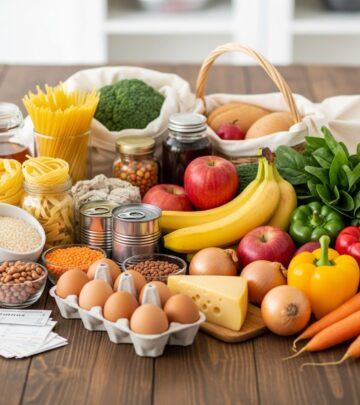
Begin by jotting down 10-20 items you buy weekly or bi-weekly. These are non-negotiables like milk, eggs, bread, chicken, rice, pasta, canned goods, fresh produce, and cleaning basics. Our template includes suggested categories: dairy, meat, produce, pantry staples, and household items.
- Dairy: Milk (gallon), eggs (dozen), cheese (8 oz block)
- Meat: Boneless chicken breast (per lb), ground beef (per lb), bacon (per oz)
- Produce: Bananas (per lb), apples (per lb), lettuce (head)
- Pantry: Bread (loaf), pasta (1 lb), rice (2 lb bag), canned tomatoes (14.5 oz)
- Household: Paper towels (roll), toilet paper (per sq ft or roll)
Customize freely — vegetarians can swap meat rows for more veggies or beans. Exclude one-time buys or bulk warehouse items to keep focus on regular grocery runs.
2. Choose Your Stores
Select 3-5 stores within a 10-15 minute drive to balance savings with convenience. Factor in gas costs and time — a store 50 miles away might undercut prices but erase gains with travel expenses. Common options include national chains like Walmart, Aldi, Kroger, Publix, or regional players like Wegmans and Harris Teeter.
List store names across the top of the worksheet. Prioritize those you already visit or suspect offer deals. Apps like Basket can supplement by scanning sales and coupons, but in-store verification is key for accuracy.
3. Go Find the Prices
Visit each store over a week or two, integrating price checks into regular shopping. Locate exact or comparable items, note the total price and unit size (e.g., per oz, lb, or count). Variations occur — one store might sell 16-oz bacon packs, another 12-oz — so record both for fair math.
Pro tip: Shop mid-week when stock is fresh and sales peak. Use a phone app for quick barcode scans if typing is tedious. Always check generic/store brands, often 20-40% cheaper than name brands.
4. Compare Prices
Calculate cost per unit: divide total price by quantity (e.g., $5 for 20 oz = $0.25/oz). For sales like ‘2 for $8,’ compute effective per-unit (16 oz at 2/$8 = $0.25/oz). Enter the cheapest store in the ‘Winner’ column.
Here’s a sample comparison table based on real-world examples:
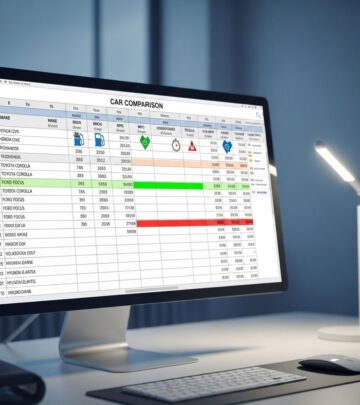
| Item | Store A (Walmart) | Store B (Publix) | Store C (Aldi) | Winner (Price per Unit) |
|---|---|---|---|---|
| Milk (Gallon) | $2.99 (gal) | $3.49 (gal) | $2.49 (gal) | Aldi ($2.49) |
| Eggs (Dozen) | $1.99 | $2.49 | $1.69 | Aldi ($1.69) |
| Chicken Breast (per lb) | $2.99/lb | $3.49/lb (2/$6.98) | $2.49/lb | Aldi ($2.49/lb) |
| Bacon (16 oz) | $4.99 | 2/$8 ($0.25/oz) | $3.99 ($0.25/oz) | Publix/Aldi ($0.25/oz) |
| Bread (Loaf) | $1.49 | $2.29 | $1.19 | Aldi ($1.19) |
| Canned Tomatoes (14.5 oz) | $0.99 | $1.79 | $0.89 | Aldi ($0.89) |
This example shows Aldi winning 5/6 items, potentially saving $10-15 weekly for a family of four.
5. Name a Victor — and Start Shopping Smarter!
Tally wins in each store’s bottom row. The store with the most victories becomes your primary shop. For ties or outliers, multi-shop minimally (e.g., Aldi for staples, Publix for sales). Revisit quarterly as prices shift.
Real savings add up: One comparison saved $301 yearly by switching staples. Combine with coupons, loyalty apps, and meal planning for compounded results.
Why This Works: Real-World Proof
Studies from the U.S. Department of Agriculture (USDA) confirm grocery price disparities average 10-30% across chains for identical items.[web:1] In high-cost areas, gaps widen to 50%. A Penny Hoarder user reported $25 weekly savings post-comparison, totaling $1,300 annually.
Tools like spreadsheets beat mental math, catching hidden deals in unit pricing. Avoid traps: end-cap displays, pre-packaged produce, or ignoring generics.
Advanced Tips for Maximum Savings
- Unit Pricing Always: Stores must display it, but verify — smallest package often costs most per unit.
- Sales Cycles: Track weekly ads; stock up on 25%+ off deals.
- Digital Aids: Basket app shows sales/coupons; Flipp aggregates flyers.
- Inventory First: List pantry stock to avoid duplicates.
- Seasonal Swaps: Buy frozen produce off-season for 30% savings.
Frequently Asked Questions (FAQs)
Q: How often should I update my worksheet?
A: Quarterly or after major price hikes/inflation reports. Prices change with seasons and supply chains.
Q: What if my stores don’t carry the exact item?
A: Choose the closest equivalent (e.g., store brand vs. name) and note differences for fair comparison.
Q: Is Aldi always cheapest?
A: Often yes for staples, but compare locally — Publix excels in sales, Walmart in variety.
Q: Should I include fuel costs?
A: Yes, estimate $0.50-1 per extra trip; stick to nearby winners.
Q: Can I do this digitally?
A: Yes, use Google Sheets; scan barcodes with apps like ShopSavvy.
Download Your Free Worksheet
Print or digitize our template today. Columns: Items, Store prices/units, Per-unit calc, Winner. Rows pre-filled with staples for quick start. Empower your wallet — comparison shopping is the ultimate hack.
References
- Use This Grocery Price Comparison Spreadsheet for Big Savings — The Penny Hoarder. 2023. https://www.thepennyhoarder.com/save-money/supermarket-comparison-worksheet-save-money-on-groceries/
- Going Broke on Household Items? Try This Inventory System — The Penny Hoarder. 2023. https://www.thepennyhoarder.com/save-money/inventory-system-household-items/
- My Shocking Grocery Store Comparison Savings – Free Printable — Savor and Savvy. 2023. https://savorandsavvy.com/grocery-store-comparison-savings-free-printable/
- Aldi is awesome — The Penny Hoarder Community. 2023. https://community.thepennyhoarder.com/t/aldi-is-awesome/742
- Retail Food Price Spreads — USDA Economic Research Service. 2025-01-10. https://www.ers.usda.gov/data-products/retail-food-price-spreads/
Similar Articles








Read full bio of medha deb