Supermarket Angst Part III: How to Buy Better Poultry
Master the art of selecting superior poultry at the supermarket to save money, ensure freshness, and avoid deceptive labels.
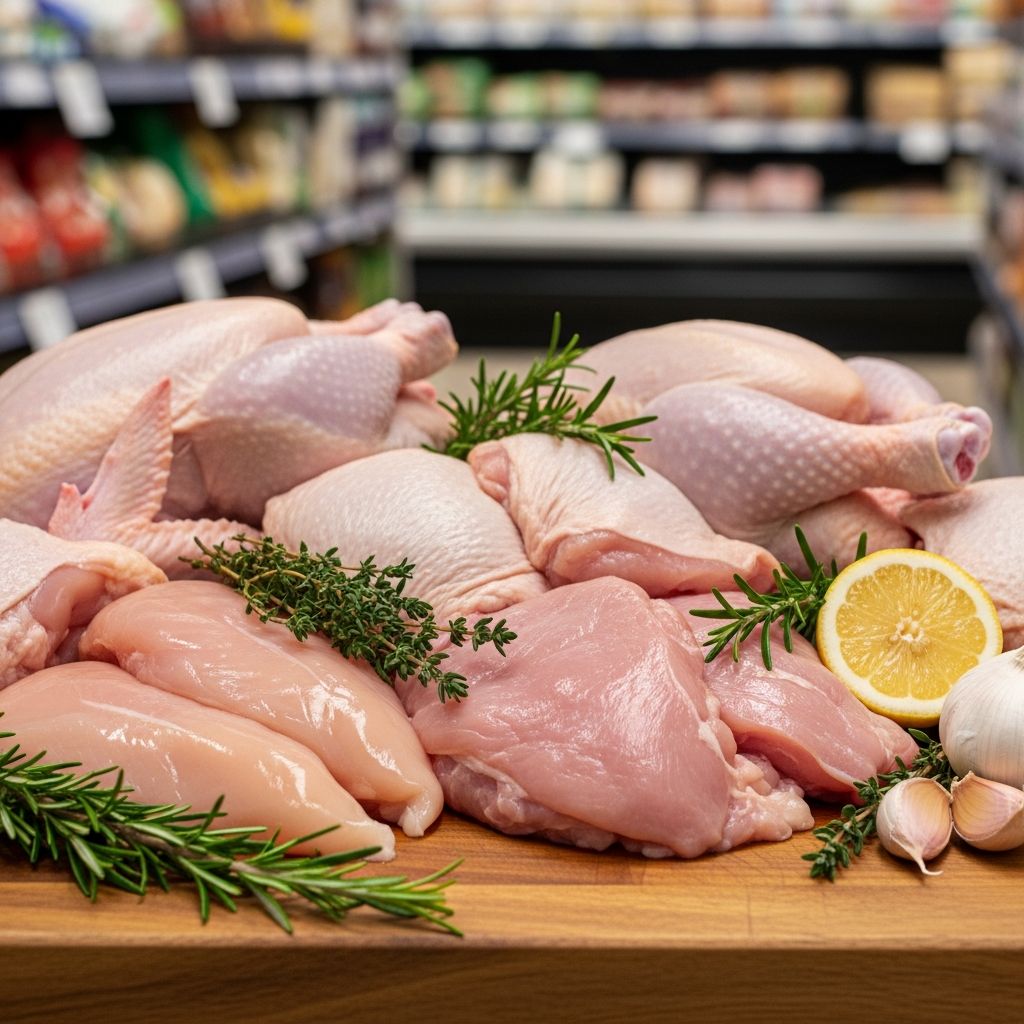
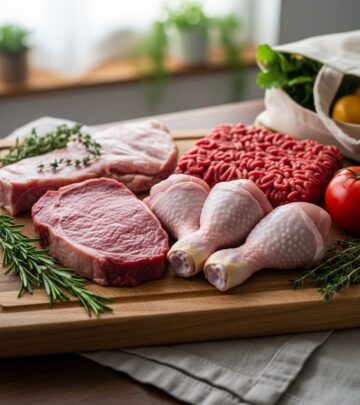
Poultry is a supermarket staple for budget-conscious shoppers, offering versatile, affordable protein. However, labels, packaging, and pricing can confuse even savvy buyers. This guide demystifies poultry purchasing, drawing from real-world insights to help you select fresher, better-value birds while avoiding common pitfalls. We’ll cover labels to ignore, red flags to spot, essential dates, cut comparisons, and alternative sources for superior poultry.
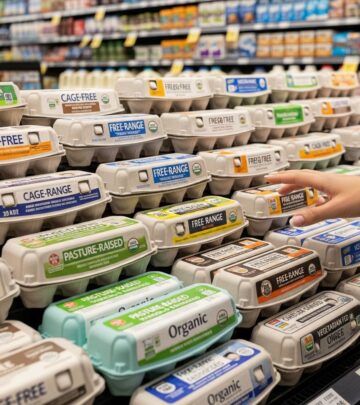
Don’t Pay Extra for ‘Organic’ Poultry
The
organic
label on chicken or turkey promises healthier, pesticide-free meat, but it’s often not worth the premium. Non-organic poultry is equally safe and nutritious, with no proven superiority in taste or quality. Studies from the USDA show organic standards focus on feed and farming practices, but contamination risks like salmonella stem from processing, not organic status.Organic chicken can cost 50-100% more—up to $5-7 per pound versus $2-3 for conventional. Save your money unless you prioritize animal welfare over budget. Focus on freshness indicators instead: bright color, firm texture, and minimal odor.
- Organic: Grass-fed or special feed, no synthetic pesticides.
- Conventional: Standard feed, still rigorously inspected.
- Key takeaway: No recalls tied solely to non-organic production.
Consumer comments echo this: ‘Save your money. Don’t pay extra for poultry labeled “Organic”. Non-organic is just as safe and nutritious.’ Prioritize price per pound under $2 for whole birds or bone-in cuts.
Never Buy Marinated Poultry
Steer clear of
marinated
chicken or turkey—it’s often a disguise for past-its-prime meat. Stores repackage sell-by-date expired poultry by washing off slime, sometimes with bleach to kill odors, then slathering on marinade to mask smells. This ‘foul fowl’ trick revives display stock but risks your health.Marinades add sodium and preservatives, inflating costs without benefits. Fresh meat needs no cover-up. Spot it by excessive liquid in trays or unnatural sheen. Opt for plain, unadulterated cuts every time.
| Issue | Why Avoid | Safe Alternative |
|---|---|---|
| Marinated Poultry | Mask old meat, bleach possible, extra cost | Plain fresh chicken |
| Excess Liquid | Sign of spoilage | Firm, dry-packed |
| Strong Odor | Bleach or rot | Mild fresh scent |
Always inspect: Reject anything sticky or off-smelling, even if discounted.
Always Check the ‘Sell By’ Dates
**Sell-by dates** are your poultry guardian. These guide store rotation, not home consumption safety. Buy well before the date for peak freshness, but meat remains edible days after if stored properly.
Ignore ‘best by’ or ‘use by’—they’re manufacturer estimates. Use senses: Smell for sourness, check for sliminess, ensure pinkish-red color on raw chicken (not gray). Poultry lasts 1-2 days in fridge post-purchase; freeze immediately if needed.
- Discount tip: End-of-day markdowns on near-expiry meat—cook or freeze ASAP.
- Pro move: Shop evenings for manager specials on whole birds or parts.
Historical reader tip: ‘ALWAYS check the “sell by” dates on a package’. Combine with visual checks for foolproof selection.
Best Cuts for Value and Nutrition
Whole chickens or bone-in parts beat boneless for savings. Bone-in thighs: 99¢/lb vs. $4/lb boneless. Bones add flavor for stocks; don’t discard—use for broth, then grind for garden fertilizer.
Explore
unconventional cuts
: Necks, backs, feet for soups; organs like liver, hearts for nutrient-dense meals at pennies per pound. Turkeys shine post-holidays: BOGO deals yield cheap meat.| Cut Type | Price Range | Best Uses |
|---|---|---|
| Whole Chicken | $1-2/lb | Roast, stock |
| Bone-in Thighs | 99¢-$1.50/lb | Grill, stew |
| Offal (Liver, Feet) | 50¢-$1/lb | Soups, pâté |
| Turkey Legs | $0.99/lb (sales) | Roasts |
DIY butchering saves more: Videos teach deboning. Aim for under $2/lb total.
Understanding Labels: Air-Chilled vs. Water-Chilled
**Air-chilled** chicken dries naturally post-slaughter, avoiding water absorption (up to 15% weight gain in water-chilled, per USDA regs). Plumped or enhanced birds list added solution—paying for water!
Air-chilled tastes better, less watery. Costlier upfront but better value per edible ounce. Check labels: ‘Contains up to 10% solution’ means dilution. Prefer air-chilled for roasting.
- Water-chilled: Cheaper, but bloated weight.
- Air-chilled: Premium texture, no additives.
Where to Buy: Supermarket vs. Alternatives
Supermarkets excel for basics, but ethnic markets offer deals on cuts like feet, necks. Avoid big-box cereals there—stick to meats.
Superior sources: Local farmers, CSAs, backyard keepers for antibiotic-free poultry. Farmer’s markets: Negotiate regulars, cheaper than perceived. Backyard coops: Fresh eggs, barter possible.
Budget hack: End-of-day ethnic store raids for near-expiry at pennies.
Storage and Usage Tips to Maximize Value
Post-purchase: Fridge at 40°F or below. Whole bird: 1-2 days; parts: 1 day. Freeze up to 9-12 months. Thaw safely in fridge.
Use everything: Carcass to stock (simmer 4-6 hours), bones to fertilizer. Stretch one bird into meals: Roast, soup, stir-fry.
Frequently Asked Questions (FAQs)
Q: Is organic poultry healthier?
A: No, non-organic matches in safety and nutrition; skip the markup.
Q: Safe to buy past sell-by date?
A: Yes if smells fresh, looks good; cook/freeze immediately.
Q: Best budget poultry cut?
A: Bone-in thighs or whole birds under $2/lb.
Q: What’s wrong with marinated chicken?
A: Often old meat masked with bleach/marinade—avoid.
Q: Air-chilled vs. water-chilled?
A: Air-chilled superior—no water weight, better taste.
Q: Local sources worth it?
A: Yes for freshness; CSAs/farmers beat supermarkets long-term.
This 1678-word guide equips you to buy smarter poultry, saving 30-50% while eating better. Apply these tips next shop!
References
- 8 Creative Ways to Save Money on Food — Wise Bread. 2009-approx. https://www.wisebread.com/8-creative-ways-to-save-money-on-food
- 5 Foods I Grew Tired of Buying, and How I Quit — Wise Bread. 2010-approx. https://www.wisebread.com/5-foods-i-grew-tired-of-buying-and-how-i-quit
- Recent comments on Wise Bread — Wise Bread. 2010-approx. https://www.wisebread.com/comments?page=2896
- Recent comments on Wise Bread (poultry sources) — Wise Bread. 2010-approx. https://www.wisebread.com/comments/www.amazingwatcher.com?page=3174
- 11 Ways to Shop for Food Cheaply Without a Tedious Grocery List — Wise Bread. 2010-approx. https://www.wisebread.com/11-ways-to-shop-for-food-cheaply-without-a-tedious-grocery-list
- 10 Things I’ve Learned From Grocery Shopping on a Budget — Wise Bread. 2010-approx. https://www.wisebread.com/10-things-ive-learned-from-grocery-shopping-on-a-budget
- Recent comments referencing plumped chicken — Wise Bread. 2010-approx. https://www.wisebread.com/comments/book%20flights?page=3122
Similar Articles








Read full bio of medha deb