Supermarket Angst Part II: What Eggs Should I Buy?
Navigate the egg aisle confusion: Understand labels, animal welfare, nutrition, and smart buying tips for the best eggs.
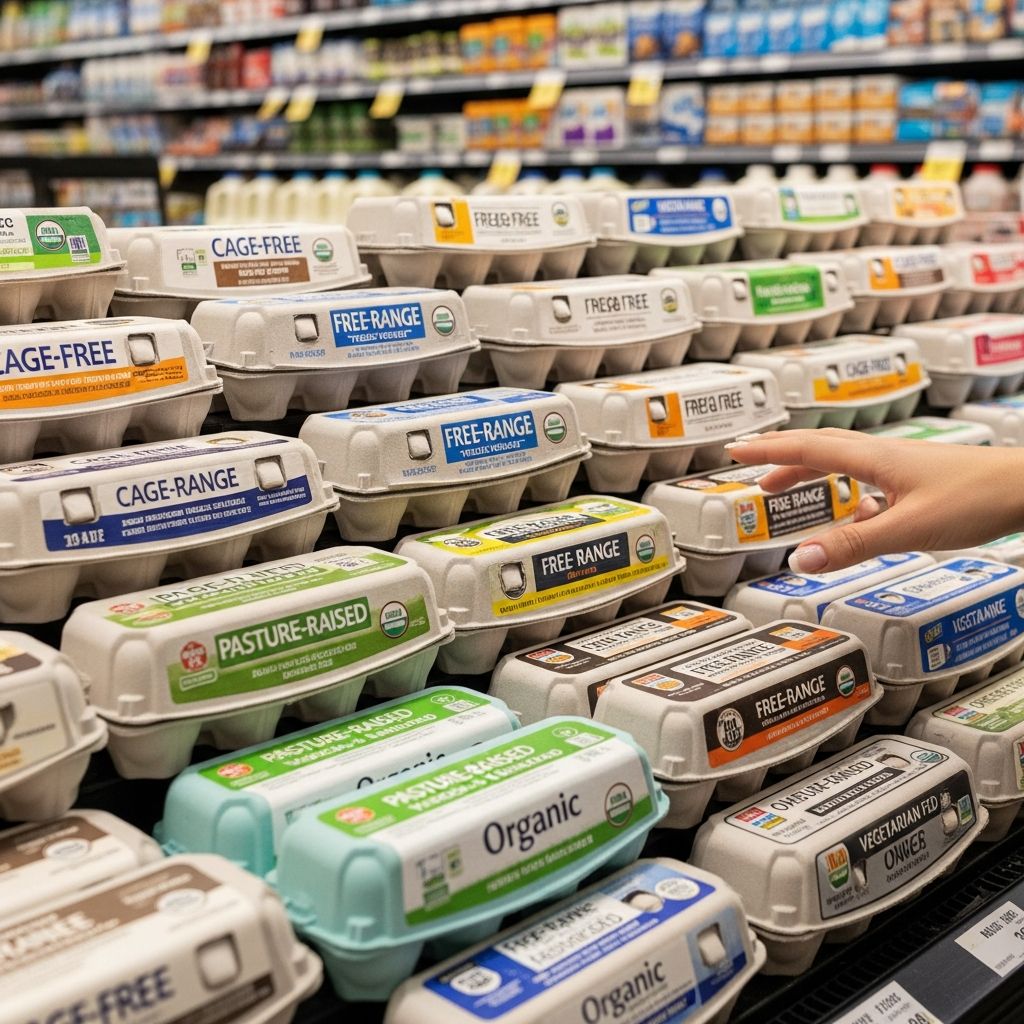
Standing in the egg aisle of your local supermarket can feel overwhelming. With dozens of cartons vying for attention, each boasting labels like “cage-free,” “free-range,” “organic,” “omega-3 enriched,” and more, it’s no wonder shoppers experience angst. Prices vary wildly—from under $2 per dozen for basic white eggs to over $6 for premium brown or specialty varieties. But do these labels really matter? Are pricier eggs healthier, tastier, or more ethical? This article cuts through the confusion, examining egg production methods, label meanings, nutritional differences, animal welfare, and practical buying advice to help you make informed choices without breaking the bank.
The Egg Production Basics
Eggs come from hens, but how those hens are raised dramatically affects the product you buy. Most supermarket eggs (about 95%) originate from large-scale industrial farms housing millions of birds in confined spaces. These operations prioritize efficiency and low costs, but critics argue they compromise hen welfare and egg quality.
- Conventional eggs: Hens in battery cages—tiny wire enclosures allowing minimal movement. These are the cheapest but most controversial due to welfare issues.
- Specialty eggs: Include cage-free, free-range, pasture-raised, organic, and enriched varieties, often from smaller or certified farms.
Understanding the journey from farm to carton is key. In the U.S., the USDA oversees grading (AA, A, B based on shell quality and freshness), but most labels are voluntary and industry-driven, leading to potential greenwashing.
Decoding Egg Labels: What They Really Mean
Egg cartons are plastered with claims, but not all are regulated. Here’s a breakdown:
| Label | Meaning | Regulation | Average Price Premium |
|---|---|---|---|
| USDA Organic | Hens fed organic feed (no pesticides/GMOs), with outdoor access. No antibiotics/hormones. | Federal USDA standards | +100-200% |
| Cage-Free | Hens not in cages but may be crowded indoors (up to 1 sq ft/bird). | United Egg Producers (voluntary) | +30-50% |
| Free-Range | Cage-free + “access to outdoors” (often a tiny door to a porch). | USDA (minimal standards) | +50-80% |
| Pasture-Raised | Hens on pasture (108 sq ft/bird min via certification like Humane Farm Animal Care). | Third-party (e.g., Certified Humane) | +100-300% |
| Omega-3 Enriched | Hens fed flaxseed/fish oil for higher omega-3s. | No specific regs | +20-40% |
| Natural | Vague marketing term; means nothing specific. | None | +10-20% |
Brown eggs aren’t inherently better—they’re just from breeds with reddish feathers, costing more due to feed. White eggs dominate conventional production for efficiency.
Animal Welfare: Happy Hens or Marketing Hype?
Consumer demand for ethical eggs has surged, but labels don’t always match reality. Battery cage hens can’t spread wings or dust-bathe, leading to stress and disease. Cage-free improves space but often means packed barns with beak-trimming (to prevent pecking).
- Best certifications: Certified Humane, American Grassfed, or Animal Welfare Approved ensure verifiable space, no debeaking, and natural behaviors.
- Red flags: “United Egg Producers Certified” allows cage-free crowding; avoid vague terms like “all-natural.”
Investigations by groups like Mercy for Animals reveal free-range hens sometimes never see outdoors. For true welfare, seek pasture-raised from local farms—hens foraging on grass produce nutrient-dense eggs and live healthier lives.
Nutrition: Do Fancy Eggs Taste and Nourish Better?
Marketing promises superior nutrition from specialty eggs, but science is mixed. A 2010 study by Pennsylvania State University found pasture-raised eggs have:
- 3x more vitamin D
- 2/3 more vitamin A
- 1/4 less saturated fat
- 4-6x more omega-3s
Organic eggs match conventional in most nutrients but avoid pesticide residues. Taste tests (e.g., Consumer Reports) show pasture-raised and free-range often rate higher for flavor due to diverse diets—deeper yolks, richer taste. However, freshness matters most; buy local for peak quality.
Cost vs. Value: Are Premium Eggs Worth It?
Basic eggs: $1.50-$2.50/dozen. Organic/pasture: $4-$7+. Recent bird flu outbreaks have spiked prices nationwide—up 60% in 2022, with shortages persisting into 2025. Restaurants add surcharges; shoppers hunt deals.
Frugal tips:
- Buy in bulk (18-packs) or from club stores.
- Check farmers’ markets for pasture-raised at competitive prices—often fresher and cheaper than supermarkets.
- Opt for cage-free as a budget ethical choice.
- Preserve extras: Freeze whites, pickle yolks.
If budget’s tight, conventional eggs are nutritionally fine—fortified with vitamins. Splurge on a few premium dozen weekly for variety.
Brown vs. White: Myth Busting
Many assume brown eggs are healthier or from free-range hens. False—color comes from breed/breed (e.g., Rhode Island Reds lay brown). They’re pricier (10-20% more) due to larger hens eating more feed. Nutritionally identical to white.
Where to Buy: Supermarket, Farm, or Backyard?
- Supermarkets: Wide selection, but check dates and labels.
- Farmers’ markets: Verify free-range claims—ask about space/outdoor access.
- Local farms/CSAs: Best for pasture-raised; build relationships for steady supply.
- Backyard chickens: Ultimate freshness/control, but consider zoning/costs.
Apps like LocalHarvest or EatWild locate ethical sources.
Frequently Asked Questions (FAQs)
Q: Are organic eggs always free-range?
A: No, organic requires outdoor access but not pasture levels. Check for dual certifications.
Q: Do I need to refrigerate eggs?
A: U.S. eggs are washed (removing cuticle), so yes. Unwashed farm eggs can sit out.
Q: What’s the shelf life of eggs?
A: 4-5 weeks from pack date; float test for freshness (sinks=fresh).
Q: Are omega-3 eggs worth the extra cost?
A: If your diet lacks fish/flax, yes; otherwise, eat fatty fish instead.
Q: How has bird flu affected egg prices?
A: Devastating flocks, causing shortages and price hikes—220% wholesale rises reported.
Final Thoughts: Choose What Fits Your Values
Your egg choice balances budget, ethics, taste, and health. Start with USDA Organic or Certified Humane for reliable standards. Experiment—your taste buds will guide you. With avian flu volatility, stock up on sales and diversify sources. Happy shopping—and cooking!
References
- What’s causing the price of eggs to skyrocket nationwide? — PBS NewsHour. 2023-01-30. https://www.youtube.com/watch?v=WAwEXycDhzY
- Local stores, shoppers feeling the egg shortage impact — WWMT-TV. 2025-02-06. https://www.youtube.com/watch?v=Mm1B9wrHvk8
- Recent comments on Supermarket Angst Part II — Wise Bread. Accessed 2026. https://www.wisebread.com/comments/www.blueprinteconomics.com?page=3169
Similar Articles








Read full bio of medha deb