SUNY Polytechnic Institute: Premier Tech Education
Explore SUNY Poly's engineering, technology, and business programs with hands-on learning and career readiness.

SUNY Polytechnic Institute: A Comprehensive College Profile
SUNY Polytechnic Institute, commonly known as SUNY Poly, stands as New York’s premier public institution dedicated to science, technology, engineering, and mathematics (STEM) education. Located in Marcy, New York, within the Utica-Rome metropolitan area, this institution has grown from its founding in 1966 as the Upper Division College at Herkimer/Rome/Utica to become a comprehensive research-intensive university. The 2014 merger between the SUNY Institute of Technology in Utica and the College of Nanoscale Science and Engineering created the modern SUNY Poly, establishing five distinct colleges that serve thousands of students pursuing careers in engineering, technology, business, health sciences, and the arts and sciences.
Campus Overview and Facilities
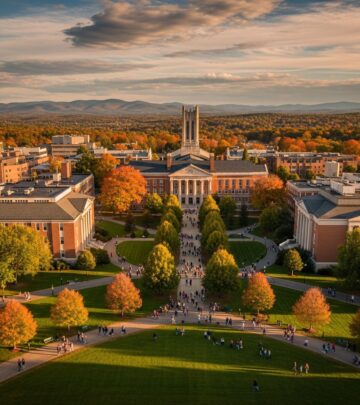
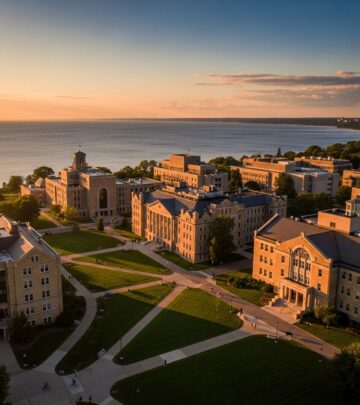
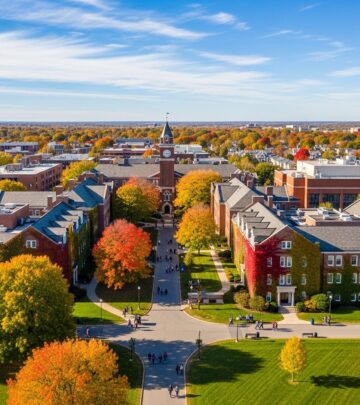
The SUNY Poly campus spans over 400 acres in the town of Marcy, providing students with a verdant environment conducive to learning and personal development. The sprawling grounds feature four residential complexes surrounded by trees and natural landscape, creating a balance between academic rigor and campus comfort. Recent capital improvements totaling approximately $100 million have transformed student life on campus, including the construction of a modern student center, a state-of-the-art field house equipped with competitive athletic facilities, and contemporary residential hall complexes completed in 2011.
The western campus, encompassing over 300 acres, is reserved for the expansion of the Marcy NanoCenter, positioning SUNY Poly as a leader in nanotechnology research and development. This strategic development aligns with broader efforts to establish the Mohawk Valley as a regional technology hub. Students consistently describe the campus environment as clean, safe, and well-maintained, with newer residential facilities such as Hilltop offering comfortable living quarters. The accessibility of parking and regular bus service facilitates student mobility, though some report that campus parking lots distance them from certain academic buildings.
Enrollment and Admissions Profile
SUNY Polytechnic Institute maintains a selective yet accessible admissions process, with an acceptance rate of 78%, indicating somewhat competitive entry standards. The institution serves a diverse student body, with full-time undergraduate enrollment of 1,627 students and part-time undergraduate enrollment of 277 students. This relatively small undergraduate population fosters close faculty-student relationships and creates an intimate academic environment despite the institution’s comprehensive mission.
The undergraduate demographic composition reflects growing diversity initiatives, with 66% White students, 11% Hispanic students, 10% Black students, 8% Asian students, and 3% students identifying as two or more races. International students comprise 1% of the undergraduate population. Additionally, 40% of students qualify as low-income, while 60% are classified as affluent, demonstrating SUNY Poly’s commitment to economic diversity and access for first-generation and disadvantaged students.
Academic Structure and Programs
SUNY Poly’s academic organization reflects its specialized mission through four primary colleges that offer comprehensive educational pathways across multiple disciplines.
College of Engineering
The College of Engineering provides rigorous undergraduate and graduate programs in civil, electrical, mechanical, and biomedical engineering, among others. Programs emphasize practical application through laboratory work, design projects, and research opportunities. Students gain hands-on experience utilizing modern facilities and collaborating with faculty engaged in cutting-edge research.
College of Business Management
This college offers business administration degrees with specializations in accounting, finance, management, and other professional disciplines. The curriculum balances theoretical foundations with real-world application, preparing graduates for positions in corporate environments, entrepreneurship, and organizational leadership.
College of Arts & Sciences
The College of Arts & Sciences provides liberal arts education alongside applied mathematics, physics, chemistry, and other traditional disciplines. Programs emphasize critical thinking, communication skills, and scientific literacy essential for educated citizens and professionals in technical fields.
College of Health Sciences
This college specializes in healthcare professions including nursing and health-related technologies, preparing students for rewarding careers in medical fields. The College of Health Sciences ranks among SUNY Poly’s highest-performing academic units based on program quality and graduate success metrics.
Popular Majors and Career Outcomes
SUNY Polytechnic Institute’s most sought-after majors include Business, Computer Science, and Mechanical Engineering Technician programs. These majors consistently attract talented students seeking robust career prospects in high-demand industries. The Applied Mathematics program receives particular praise for its real-world applicability and demonstrated versatility across diverse career paths. Computer Science and engineering disciplines benefit from strong industry connections and internship opportunities, particularly within the technology sector.
Graduate employment statistics demonstrate SUNY Poly’s effectiveness in preparing students for workforce entry. Ninety-four percent of graduates secure employment within one year of graduation, significantly exceeding national benchmarks. Furthermore, 80% of SUNY Poly students express confidence in their ability to find employment within their chosen field after graduation, reflecting both curricular quality and robust career preparation services.
Graduation Rates and Student Retention
SUNY Polytechnic Institute graduates approximately 59% of its undergraduate students, with the on-time four-year graduation rate for first-time, full-time students reaching 40%, which exceeds the national average of 33.3%. The freshman retention rate stands at 79%, indicating strong student satisfaction and effective academic integration during critical first-year experiences. These metrics suggest that admitted students find their SUNY Poly experience sufficiently rewarding to continue enrollment and successfully complete degree requirements.
Faculty Expertise and Academic Support
SUNY Polytechnic Institute maintains a full-time faculty percentage of 50%, comparable to the national average of 47%. Professors generally receive commendation for their accessibility, subject matter expertise, and commitment to student success. However, teaching quality experiences vary across departments and individual instructors, with some students noting exceptional pedagogical approaches while others describe less engaging classroom experiences.
The institution provides robust resources for technology and research, particularly supporting students in engineering and computer science disciplines. Modern laboratory facilities, computing infrastructure, and research equipment enable students to engage in meaningful undergraduate research projects. The university actively facilitates internship placement, particularly within technology-focused industries, though some students in specialized fields like mechanical engineering express concern regarding limited co-operative education placements and job placement resources within their specific disciplines.
Tuition, Affordability, and Financial Considerations
Students consistently identify SUNY Polytechnic Institute’s tuition as affordable relative to the quality of education provided. As a public SUNY institution, SUNY Poly offers significantly lower cost of attendance compared to private universities while maintaining competitive academic programming. This affordability, combined with generous financial aid opportunities for low-income students, removes financial barriers for capable students from disadvantaged backgrounds.
However, student concerns regarding campus dining quality and the availability of engaging extracurricular activities suggest that the total student experience reflects institutional prioritization of academic excellence over comprehensive lifestyle amenities. The relatively modest cost of attendance reflects the university’s public mission to serve New York residents regardless of socioeconomic circumstances.
Campus Life and Student Experience
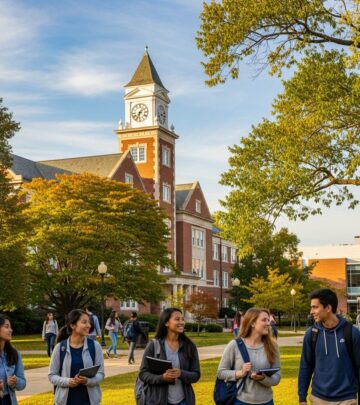
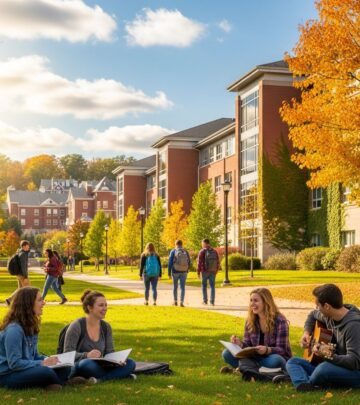
SUNY Poly cultivates an environment emphasizing academic achievement and personal development within a focused, intellectually stimulating community. The relatively small undergraduate population contributes to a sense of belonging and facilitates meaningful peer relationships. Students describe the campus environment as conducive to concentrated study and personal growth, attracting individuals prioritizing academic success over expansive social programming.
The institution’s emphasis on STEM education shapes campus culture toward intellectual rigor and career preparation. While traditional social activities and student organizations exist, the social scene remains subdued compared to larger universities or institutions emphasizing residential college experiences. Students seeking vibrant weekend social calendars may find SUNY Poly less aligned with their preferences, while those prioritizing academics, hands-on learning, and career preparation discover an institution well-matched to their objectives.
International Student Opportunities
SUNY Polytechnic Institute actively welcomes international students through its F-1 visa program, offering 22 undergraduate programs and four graduate programs. International students access the same rigorous STEM curriculum and hands-on learning experiences available to domestic students while building networks with peers from diverse global backgrounds. Graduate programs in Civil Engineering, Computer Science, Cybersecurity, and Data Science + Analytics attract talented international scholars seeking advanced technical education and practical career preparation in the United States.
Graduate Education Programs
SUNY Poly’s graduate offerings expand educational opportunities beyond the undergraduate level through specialized master’s degree programs. The Master of Science in Civil Engineering provides advanced technical and leadership skills with specializations in structural, geotechnical, transportation, environmental, and construction engineering. The Master of Science in Computer Science offers strong theoretical foundations alongside practical applications with specializations in software engineering, systems, algorithms, and artificial intelligence. The Master of Science in Cybersecurity provides a cutting-edge curriculum developed collaboratively with industry and government experts, preparing graduates for technical and management positions in cybersecurity and IT security. The Master of Science in Data Science + Analytics equips students to analyze complex data, construct analytical models, and communicate insights effectively for informed decision-making.
Accreditation and Institutional Recognition
SUNY Polytechnic Institute maintains institutional accreditation through the Middle States Commission on Higher Education, ensuring that programs meet rigorous quality standards and that degrees carry recognized academic standing. The institution earned 10 badges in the 2025 College Factual rankings, with health professions identified as the highest-ranked major. The institution ranked #1,547 out of 2,152 colleges and universities on the 2025 Best Colleges list, representing meaningful improvement from the previous year’s #1,554 ranking. This upward trajectory reflects growing recognition of institutional quality and student outcomes.
Strengths and Considerations for Prospective Students
Key Strengths
– Strong engineering and technology programs with updated curriculum and experienced faculty- Abundant hands-on learning opportunities through laboratory work, design projects, and research initiatives- Extensive internship placements particularly within technology industries- Affordable tuition and robust financial aid for low-income students- High graduate employment rates (94% employed within one year)- Modern campus facilities and recently renovated residential spaces- Close faculty-student relationships within relatively small undergraduate population- Research opportunities and access to cutting-edge facilities
Considerations
– Limited extracurricular activities and social programming compared to larger universities- Moderate campus dining quality according to student reports- Graduation rate of 59% remains below peer institution averages- Internship and job placement support varies across academic disciplines- Teaching quality experiences vary significantly between faculty members- Transportation challenges to distant campus parking areas
Frequently Asked Questions
Q: What is SUNY Polytechnic Institute’s acceptance rate?
A: SUNY Poly maintains a 78% acceptance rate, indicating somewhat competitive admissions. The institution welcomes qualified applicants while maintaining academic standards appropriate for rigorous STEM programming.
Q: What are the most popular majors at SUNY Poly?
A: The most sought-after programs include Business, Computer Science, and Mechanical Engineering Technician. Applied Mathematics also receives exceptional student interest due to strong real-world applications and career versatility.
Q: What percentage of SUNY Poly graduates find employment after graduation?
A: Ninety-four percent of SUNY Poly graduates secure employment within one year of graduation, demonstrating the institution’s effectiveness in preparing students for workforce entry.
Q: Does SUNY Poly accept international students?
A: Yes, SUNY Polytechnic Institute welcomes international students through its F-1 visa program, offering 22 undergraduate programs and four graduate programs with hands-on learning experiences and career preparation.
Q: What is the average class size at SUNY Poly?
A: With a full-time undergraduate enrollment of only 1,627 students, SUNY Poly maintains relatively small class sizes facilitating close faculty-student relationships and personalized academic support.
Q: Are internship opportunities available at SUNY Poly?
A: Yes, SUNY Poly offers strong internship placement opportunities, particularly within technology industries. However, internship availability varies by academic discipline and career field.
Q: What is the freshman retention rate at SUNY Poly?
A: The freshman retention rate stands at 79%, indicating that most first-year students are satisfied with their educational experience and choose to continue their studies at the institution.
Q: How affordable is SUNY Poly compared to other universities?
A: Students consistently report that SUNY Poly offers affordable tuition relative to the quality of education provided. As a public SUNY institution, it maintains significantly lower costs than private universities with comparable academic programs.
References
- SUNY Polytechnic Institute – Niche College Profile — Niche Inc. 2025. https://www.niche.com/colleges/suny-polytechnic-institute/
- SUNY Polytechnic Institute — Wikipedia. 2025. https://en.wikipedia.org/wiki/SUNY_Polytechnic_Institute
- About SUNY Poly – 2024-2025 Graduate Catalog — SUNY Polytechnic Institute Official. 2024. https://webapp.sunypoly.edu/grad-catalog-2024-2025/about-sunypoly/
- SUNY Polytechnic Institute Overview — College Factual. 2025. https://www.collegefactual.com/colleges/suny-institute-of-technology-at-utica-rome/
- International Admissions at Poly – SUNY Polytechnic Institute — SUNY Polytechnic Institute Official. 2025. https://connect.sunypoly.edu/portal/international
- Carnegie Classifications – SUNY Polytechnic Institute — Carnegie Classification of Institutions of Higher Education. 2024. https://carnegieclassifications.acenet.edu/institution/suny-polytechnic-institute/
- SUNY Polytechnic Institute – Institution Data Profile — National Center for Education Statistics (NCES). 2024. https://nces.ed.gov/ipeds/institution-profile/196112
Similar Articles








Read full bio of Sneha Tete