SUNY College at Old Westbury: Profile & Rankings
Explore SUNY Old Westbury's academic programs, diversity initiatives, and location advantages near NYC.
SUNY College at Old Westbury: A Comprehensive Institution Profile
SUNY College at Old Westbury stands as a prominent public liberal arts institution within the State University of New York system, offering students a distinctive blend of rigorous academics, genuine community engagement, and strategic proximity to New York City. Established as part of New York’s commitment to accessible higher education, Old Westbury has evolved into a dynamic campus that serves as a gateway to opportunity for thousands of students seeking quality education with affordability and inclusivity at its core.
The institution welcomes a diverse student body across multiple academic disciplines, with current enrollment reaching approximately 4,448 students. The college operates with a faculty of 171 full-time professors dedicated to student success, complemented by an extensive network of over 35,000 alumni who have gone on to make meaningful contributions across various sectors. This alumni network serves as a testament to the college’s commitment to transforming lives through education and community-oriented learning.
Academic Excellence and Program Diversity
SUNY Old Westbury offers a comprehensive range of educational opportunities through 45 distinct majors and 16 graduate programs, positioning itself as a versatile institution capable of meeting diverse academic interests and career aspirations. The college provides both traditional and non-traditional learning pathways, including evening degree programs, teacher certification options, and study abroad opportunities to enhance student preparation for global careers.
Popular Majors and Fields of Study
The institution’s most sought-after undergraduate programs demonstrate strong student interest in practical, career-focused disciplines. Psychology leads with 93 graduates, followed closely by Business with 84 graduates, and Accounting with 74 graduates. Additional popular majors include Biology with 67 graduates, Elementary Education with 65 graduates, and Criminology with 57 graduates. Specialized programs such as Special Education and Teaching, Public Health, Political Science and Government, and Communications also attract significant student enrollment, reflecting the college’s ability to serve diverse academic pursuits.
Faculty and Academic Environment
The faculty at SUNY Old Westbury brings dedicated commitment to educational excellence. The institution maintains a student-to-faculty ratio of 15:1, ensuring that students receive adequate attention and support from their instructors. The faculty composition reflects progressive values, with 52% female professors and 48% male professors contributing to a balanced academic environment. The average professor salary stands at $100,356, demonstrating institutional investment in attracting and retaining qualified educators.
Faculty diversity enriches the educational experience significantly. The full-time faculty includes representation across multiple racial and ethnic backgrounds: 58% White, 18% Asian American, 12% African American, 9% Hispanic, 2% International (Non-Citizen), 1% Native American, and 0% each for Multiracial and Pacific Islander professors. This diverse faculty composition helps students encounter varied perspectives and culturally relevant teaching methodologies.
Student engagement with faculty support services remains strong, with 74% of students actively taking advantage of office hours and study sessions. This high participation rate indicates both faculty availability and student initiative in pursuing academic excellence through direct mentorship relationships.
Institutional Retention and Graduation Outcomes
The college demonstrates solid commitment to student persistence through robust retention rates. Full-time retention rate reaches 74%, while part-time students maintain an impressive 100% retention rate, suggesting strong institutional support for non-traditional learners. The graduation rate of 47% reflects the challenges many public institutions face, though this metric varies based on individual student circumstances and program type.
Research funding per student amounts to $98, providing opportunities for undergraduate research engagement and academic inquiry. The semester-based academic calendar aligns with traditional higher education scheduling, allowing students to plan educational trajectories effectively.
Commitment to Diversity and Inclusion
SUNY Old Westbury has earned consistent recognition for its dedication to building and maintaining a diverse, inclusive community. The undergraduate population reflects significant diversity across racial and ethnic backgrounds, with approximately 30% of undergraduates identifying as Hispanic, 28% as White, and 23% as Black. This representation demonstrates the college’s effectiveness in recruiting and supporting students from historically underrepresented communities in higher education.
The institution’s commitment to economic mobility and social equity stands out prominently in its mission. More than half of the student body receives federal income-based grants, reflecting the college’s role in serving economically diverse populations. Notably, SUNY Old Westbury scores in the top 2% of all colleges on Third Way’s economic mobility index, a distinction that underscores the institution’s measurable impact on student economic advancement and social mobility.
Community Engagement and Innovation
One of the institution’s most distinctive offerings, the Community, Action, Learning and Leadership (CALL) program, has operated for more than 15 years as a cornerstone of experiential education. This innovative initiative blends volunteer work, social justice projects, and academics in meaningful ways, allowing first-year students to engage with dozens of community partners across the Long Island region and greater New York area.
The CALL program exemplifies SUNY Old Westbury’s philosophy that education extends beyond classroom walls. Students participate in real-world problem-solving, develop civic leadership skills, and contribute meaningfully to community well-being while strengthening their academic learning through applied experience. This integration of service learning with academic development prepares students not merely for employment but for engaged citizenship.
Strategic Location and Campus Advantages
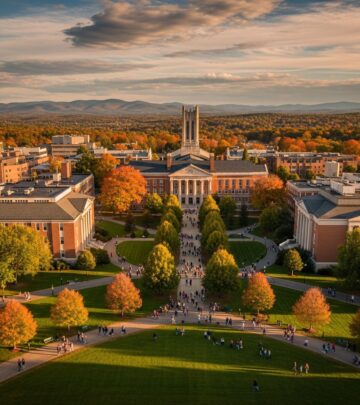
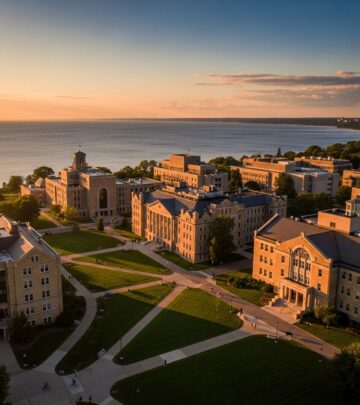
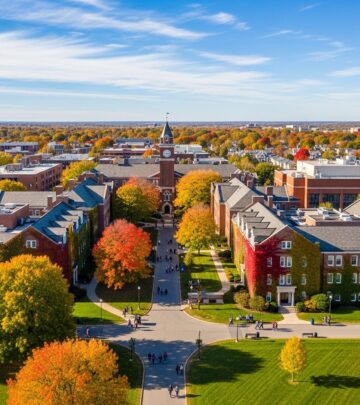
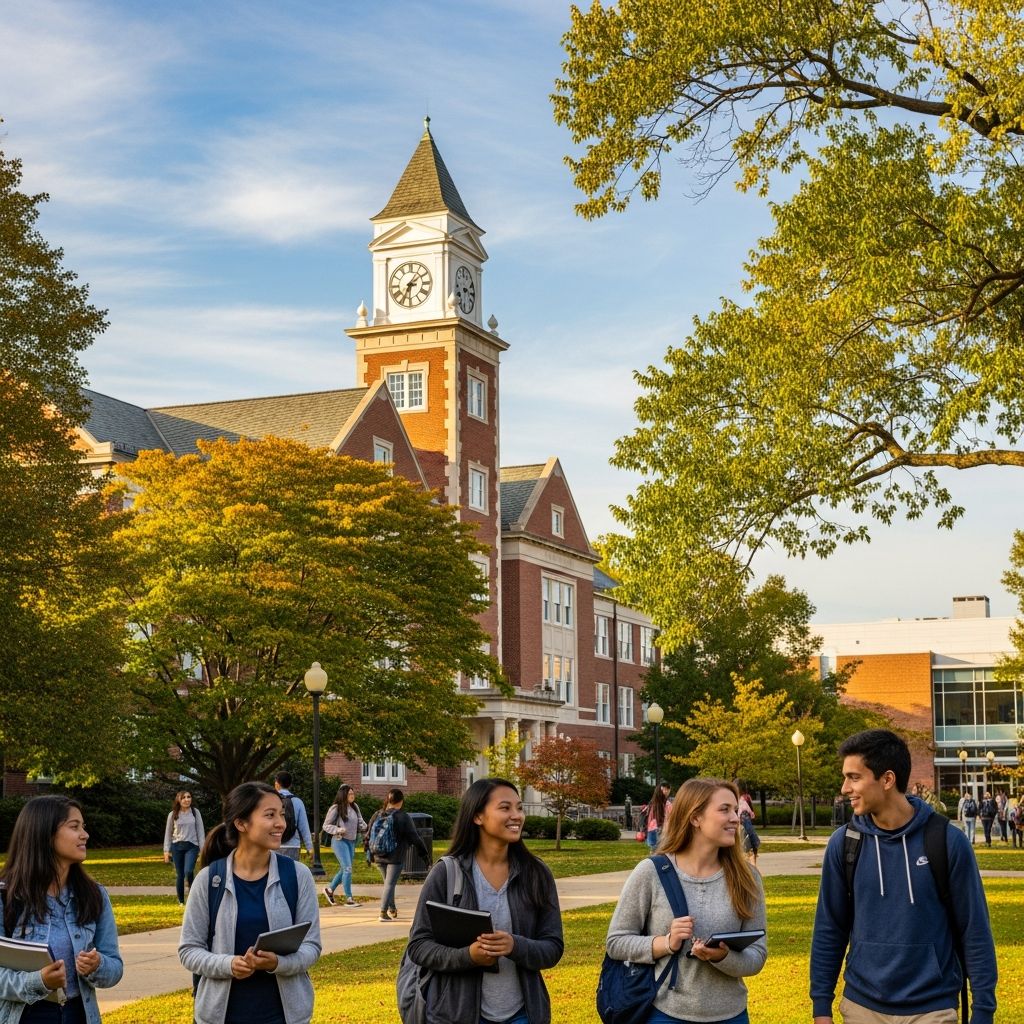
Positioned on Long Island’s outskirts, SUNY Old Westbury offers students an optimal geographic location combining the benefits of suburban campus life with unprecedented access to New York City opportunities. The institution’s 600-acre, tree-lined campus provides a serene academic environment conducive to focused study and community building. The expansive natural setting creates spaces for student organizations, recreational activities, and social engagement essential to well-rounded college experiences.
Yet this pastoral setting does not isolate students from urban opportunities. Approximately 45 minutes via train separates the campus from Manhattan, enabling easy access to world-class cultural institutions, professional internship opportunities, and networking connections that enrich educational outcomes. This proximity to New York City transforms the entire metropolitan region into an extended campus classroom where students can pursue internships with Fortune 500 companies, engage with cultural attractions, and build professional networks while maintaining the advantages of a supportive residential campus community.
Student Life and Campus Community
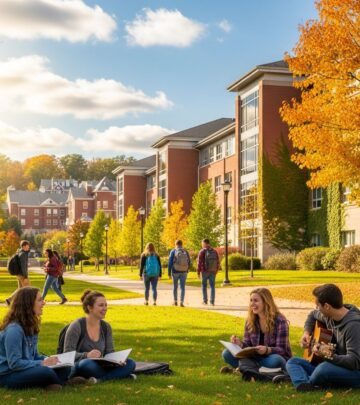
The college supports comprehensive student engagement through 60+ clubs and organizations catering to diverse interests, along with 12 varsity sports teams providing athletic competition and community identity. These offerings ensure that students can pursue extracurricular interests while building lasting friendships and developing leadership capabilities.
Students consistently report positive experiences with campus community and academic support. One recent student noted, “SUNY Old Westbury has been an exceptional place for my academic journey. The professors here are dedicated to ensuring that students not only learn but truly understand the curriculum, making complex concepts accessible and engaging.” This testimonial reflects the institution’s focus on meaningful learning outcomes and student support rather than merely delivering content.
Affordability and Financial Support
As part of the State University of New York system, SUNY Old Westbury maintains tuition prices among the most reasonable available in higher education. The institution prioritizes accessibility, recognizing that financial constraints should not prevent capable students from pursuing higher education. The combination of affordable tuition, generous federal aid availability, and the college’s strong economic mobility outcomes creates a powerful opportunity for first-generation and low-income students.
Recent Enrollment Growth and Institutional Momentum
SUNY Old Westbury experienced significant recent growth, welcoming its largest freshman class ever in the 2024-25 academic year with 800 first-year students, representing nearly 10% growth over the previous year and surpassing the campus’ previous enrollment peak of 751 students from 2018. This substantial increase was drawn from a pool of nearly 7,800 first-year applicants, an increase exceeding 11% over the prior year, demonstrating growing recognition of the institution’s value proposition among prospective students.
According to President Timothy E. Sams, “We’re excited to welcome more first-year students than we ever have before. We see this achievement as further proof that our academic offerings, coupled with a campus community focused on student success and our commitment to justice and equity, are the right fit for students who today want to be prepared for the work and world that lies ahead of them.”
Institutional Data and Demographics
Recent enrollment data provides insight into the college’s student composition. Of the 4,040 total students enrolled during 2024, 3,447 attended full-time while 593 were part-time students. The student body includes 1,669 male students and 2,371 female students, with 712 first-year students and 720 transfer-in students, illustrating the college’s role in serving both traditional and non-traditional educational pathways.
Racial and ethnic composition demonstrates meaningful diversity: 985 students identify as Black or African American, 983 as White, 8 as Native Hawaiian or Other Pacific Islander, 118 as Multiracial, and 31 with unknown race and ethnicity. Additionally, 153 students are classified as U.S. Nonresidents, showing the college’s reach beyond New York State boundaries.
Frequently Asked Questions
Q: What makes SUNY Old Westbury distinct from other public universities?
A: SUNY Old Westbury distinguishes itself through unwavering commitment to diversity and inclusion, innovative programs like the CALL initiative that integrate community engagement with academics, strategic location near New York City providing internship and cultural opportunities, and demonstrated success in economic mobility, ranking in the top 2% nationally on this metric. The institution combines affordability with quality academic offerings and genuine support for student success.
Q: How accessible is the campus for students without cars?
A: The campus location on Long Island provides approximately 45-minute train access to Manhattan, making New York City destinations readily accessible. However, students should verify specific transportation options for their individual circumstances, as the campus itself is situated in a suburban area with limited local transit beyond the main rail connection.
Q: What support services are available for first-year students?
A: SUNY Old Westbury offers the pioneering CALL program for first-year students, which blends volunteer work, social justice projects, and academics while connecting students with dozens of community partners. Additionally, 74% of students utilize faculty office hours and study sessions, and the institution provides evening degree programs, teacher certification options, and study abroad opportunities to support diverse learning needs.
Q: What is the typical class size at SUNY Old Westbury?
A: The institution maintains a 15:1 student-to-faculty ratio, ensuring adequate instructor attention. While specific class size breakdowns were not fully detailed, this ratio indicates most classes remain small enough for meaningful professor-student interaction and personalized feedback.
Q: How does financial aid work for students at SUNY Old Westbury?
A: More than half of SUNY Old Westbury students receive federal income-based grants, making the institution particularly accessible for low-income and first-generation students. As a SUNY institution, tuition remains among the most affordable in higher education. Prospective students should contact the financial aid office for specific merit scholarships and institutional aid opportunities.
Q: What career outcomes can graduates expect?
A: SUNY Old Westbury graduates benefit from the institution’s strong economic mobility index ranking (top 2% nationally), diverse major offerings in practical fields like accounting, business, and education, proximity to internship opportunities in New York City, and an extensive network of 35,000+ alumni across various professional sectors.
References
- SUNY College at Old Westbury Academics — Niche. 2024. https://www.niche.com/colleges/suny-college-at-old-westbury/academics/
- SUNY Old Westbury Welcomes Largest Freshman Class Ever — SUNY College at Old Westbury. 2024. https://www.oldwestbury.edu/news-events/suny-old-westbury-welcomes-largest-freshman-class-ever
- 2024 SUNY College – Old Westbury Enrollment Data — New York State Education Department. 2024. https://data.nysed.gov/highered-enrollment.php?year=2024&instid=800000048818
- SUNY Old Westbury, New York – Complete Profile, Rankings and Data — Money. 2024. https://money.com/best-colleges-2024/profile/suny-college-at-old-westbury/
- Fast Facts — SUNY College at Old Westbury, Office of Academic Affairs. 2024. https://www.oldwestbury.edu/division/office-academic-affairs/institutional-effectiveness/institutional-research/fast-facts
Similar Articles








Read full bio of medha deb