Subsidiary: Definition, Types, and Corporate Structure
Understanding subsidiaries: How parent companies create separate legal entities for growth and tax efficiency.

What Is a Subsidiary?
A subsidiary is a company that is owned and controlled by another larger company, known as the parent company or holding company. To be officially classified as a subsidiary, the parent company must own at least 50% of the subsidiary’s voting stock. This ownership structure creates a hierarchical relationship where the parent company maintains majority control while the subsidiary operates as a separate legal entity with its own liabilities, assets, and financial obligations.
Subsidiaries are fundamental building blocks in modern corporate architecture. Many of the world’s largest corporations are essentially collections of multiple subsidiaries operating under a parent company’s umbrella. This structure allows large enterprises to organize their operations efficiently while maintaining legal separation between different business divisions or ventures.
How Subsidiaries Differ From Other Business Relationships
Understanding the distinction between subsidiaries and other types of business relationships is crucial for investors and business professionals. The primary differentiator is the level of ownership and control exercised by the parent company.
Subsidiary vs. Associate Company: If a parent company owns less than 50% of another company but still maintains significant influence, that company is classified as an associate or affiliate company rather than a subsidiary. Associate companies are treated differently in financial reporting and accounting practices. The parent company cannot consolidate the associate’s financial statements with its own in the same manner as it would with a subsidiary.
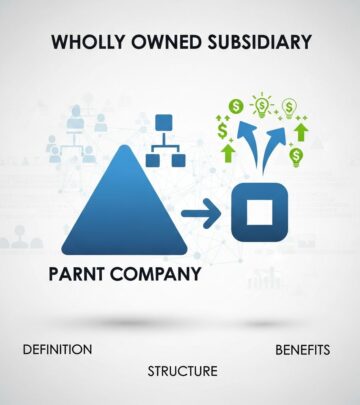
Wholly Owned Subsidiary: When a parent company owns 100% of a subsidiary, it is referred to as a wholly owned subsidiary. In this arrangement, the parent company has complete control over all decisions and operations of the subsidiary with no other shareholders involved.
Key Functions and Characteristics of Subsidiaries
Subsidiaries serve multiple strategic functions within corporate organizations. They exist to provide the parent company with tangible benefits including increased tax advantages, enhanced earnings potential, and expanded property holdings. Despite being owned by the parent company, subsidiaries maintain their status as separate legal entities, which has significant implications for liability and taxation purposes.
In their day-to-day operations, subsidiaries typically manage their own business functions independently. However, major decisions—particularly those involving significant capital expenditures, strategic pivots, or major acquisitions—usually require approval from the parent company. This balance between operational autonomy and strategic oversight characterizes most subsidiary relationships.
One of the most important aspects of subsidiary structure is the legal protection it provides. When a subsidiary is established as a separate legal entity, it maintains its own liabilities distinct from the parent company. This separation can shield other subsidiaries and the parent company from individual legal claims or financial hardships affecting one subsidiary.
Why Companies Create Subsidiaries
Corporations establish subsidiaries for various strategic and financial reasons. Understanding these motivations provides insight into modern corporate organization and business strategy.
Capital Raising and Investment
One primary reason companies create subsidiaries is to raise capital without risking their main company’s stock value. By offering subsidiary stock separately, parent companies can attract investors specifically interested in that subsidiary’s operations or growth potential. This approach allows companies to access capital markets while maintaining the stability and perception of the parent company’s core business.
Tax Efficiency and Financial Management
Parent companies that own at least 80% of one or more subsidiaries can file consolidated tax returns while writing off subsidiary losses against their total income. This tax optimization strategy allows companies to manage their overall tax liability more effectively. Additionally, by structuring businesses as separate subsidiaries, companies can isolate losses within specific entities, preventing those losses from affecting the consolidated financial picture of the entire organization.
Asset Protection and Liability Insulation
Creating subsidiaries provides significant liability protection benefits. In industries like real estate and entertainment, companies often structure individual properties, films, or projects as separate subsidiaries. If legal action or financial losses affect one subsidiary, the others remain protected. This compartmentalization is particularly valuable in industries with inherent litigation risks or volatile financial outcomes.
Operational Flexibility and Strategic Independence
Subsidiaries provide operational flexibility that benefits both the parent company and the subsidiary itself. Parent companies can buy, sell, or restructure subsidiaries without disrupting core operations. Subsidiaries can also synergize with one another, sharing resources, best practices, and operational efficiencies across the corporate network. This interconnected network of subsidiaries can streamline processes and improve overall organizational efficiency.
Advantages of the Subsidiary Structure
The subsidiary model offers numerous advantages for parent companies and their investors:
- Capital Efficiency: Raising funds through subsidiary stock offerings without diluting parent company equity
- Tax Benefits: Consolidated tax filing for subsidiaries with 80%+ ownership, loss carryforwards, and liability containment
- Legal Protection: Separation of liabilities prevents problems in one subsidiary from affecting others or the parent
- Market Flexibility: Ability to sell, restructure, or divest subsidiaries without affecting parent operations
- Scalability: Easy establishment of new subsidiaries as business needs evolve
- Operational Synergy: Subsidiaries can collaborate and share resources, improving overall efficiency
- Industry Specialization: Subsidiaries can operate in different industries under one corporate umbrella
- Risk Management: Compartmentalized risk reduces exposure to company-wide disruptions
Disadvantages and Challenges of Subsidiary Structures
While subsidiaries offer significant advantages, they also present challenges that companies must carefully manage:
- Regulatory Complexity: Multiple subsidiaries operating across different states or countries must comply with varying legal frameworks and regulations, increasing administrative burden
- Financial Complexity: Accounting and consolidation of multiple subsidiaries’ financial statements becomes increasingly complicated, particularly for large corporate groups with numerous subsidiaries
- Increased Liability Exposure: Parent companies remain liable for subsidiary actions and obligations, potentially exposing the entire corporate group to significant financial risk
- Management Overhead: Operating multiple subsidiaries requires additional management layers, reporting requirements, and administrative infrastructure
- Potential for Corporate Conflicts: Differing interests between parent and subsidiary management can create strategic conflicts and operational challenges
- Regulatory Scrutiny: Tax authorities and regulatory bodies increasingly scrutinize subsidiary structures to prevent tax avoidance and ensure fair compliance
Real-World Examples of Subsidiary Structures
Dream Enterprises: A Diversified Media Conglomerate
Dream Enterprises exemplifies how large corporations use subsidiary structures to organize diverse operations. This entertainment corporation maintains several significant subsidiaries, with two of the largest being Magic Man Studios and Magic Media Networks.
Magic Man Studios operates as a major subsidiary under Dream Enterprises, itself controlling multiple media companies including Guy With a Camera Pictures (GWACP), Magic Animation Studios, Magic Television, and Magic Film. This multi-tiered structure allows Dream Enterprises to organize its production and content creation activities while maintaining distinct operational units.
Magic Media Networks serves as another primary subsidiary, controlling television stations and entertainment networks such as Miracle Mountain News, Classic Streams, Nadar Networks, and Animals Worldwide. This subsidiary structure enables the parent company to separate broadcast and distribution operations from content creation.
This organizational model demonstrates how complex media organizations use subsidiaries to compartmentalize operations, manage different revenue streams, and protect assets across the organization.
Subsidiary vs. Branch: Key Differences
| Characteristic | Subsidiary | Branch |
|---|---|---|
| Legal Status | Separate legal entity | Part of parent company |
| Ownership | 50%+ ownership required | 100% owned by parent |
| Liabilities | Separate from parent | Parent liable for all obligations |
| Financial Reporting | Separate financial statements | Consolidated in parent statements |
| Tax Filing | May file separately or consolidated | Always consolidated with parent |
| Regulatory Requirements | More complex, state/country specific | Follows parent company rules |
Subsidiary Formation and Management Best Practices
Creating and managing subsidiaries effectively requires careful planning and ongoing oversight. Parent companies should establish clear governance structures defining decision-making authority, financial reporting requirements, and strategic alignment. Documentation should specify which decisions require parent approval and which fall within subsidiary management autonomy.
Regular financial monitoring and reporting ensure the parent company maintains appropriate oversight while subsidiaries retain operational independence. Performance metrics should align with corporate strategy while allowing subsidiaries flexibility in implementation. Additionally, companies should maintain detailed documentation of subsidiary operations to support consolidated financial reporting and tax filings.
Frequently Asked Questions (FAQs)
Q: What is the minimum ownership percentage required to classify a company as a subsidiary?
A: A parent company must own at least 50% of the subsidiary’s voting stock to classify it as a subsidiary. Ownership below this threshold classifies the company as an associate or affiliate company.
Q: Can a subsidiary have its own subsidiaries?
A: Yes, subsidiaries can own other subsidiaries, creating a multi-tiered corporate structure. This is common in large diversified corporations where subsidiaries function as holding companies for their own subsidiary networks.
Q: Are subsidiaries responsible for their own taxes?
A: Subsidiaries file their own tax returns, but parent companies owning 80%+ can file consolidated returns and offset subsidiary losses against parent income. This provides significant tax planning opportunities.
Q: How does subsidiary ownership affect parent company liability?
A: Parent companies maintain liability for subsidiary actions and obligations. However, subsidiary debts and legal claims remain primarily attached to the subsidiary entity, providing some protection to the parent and other subsidiaries.
Q: Can parent companies sell subsidiaries independently?
A: Yes, one of the major advantages of subsidiary structures is the ability to sell or divest subsidiaries without affecting parent company operations or other subsidiaries. This provides significant strategic and financial flexibility.
References
- What Is a Subsidiary and How Does It Work? (With Examples) — Indeed Career Advice. 2025. https://www.indeed.com/career-advice/career-development/subsidiary
- Consolidated Financial Statements: Purpose and Requirements — U.S. Securities and Exchange Commission (SEC). 2024. https://www.sec.gov/investor/pubs/consolidated.pdf
- Tax Treatment of Subsidiary Companies — Internal Revenue Service (IRS). 2024. https://www.irs.gov/businesses/small-businesses-self-employed/subsidiary-corporations
- Corporate Structures and Liability Protection — U.S. Small Business Administration (SBA). 2024. https://www.sba.gov/business-guide/launch-your-business/choose-a-business-structure
- International Accounting Standard 27: Consolidated and Separate Financial Statements — International Accounting Standards Board (IASB). 2024. https://www.ifrs.org/issued-standards/list-of-standards/ias-27-consolidated-and-separate-financial-statements/
Similar Articles








Read full bio of Sneha Tete