Subprime Mortgages: Risks and Rewards
Explore the advantages and pitfalls of subprime mortgages for buyers with poor credit, weighing costs against homeownership opportunities.
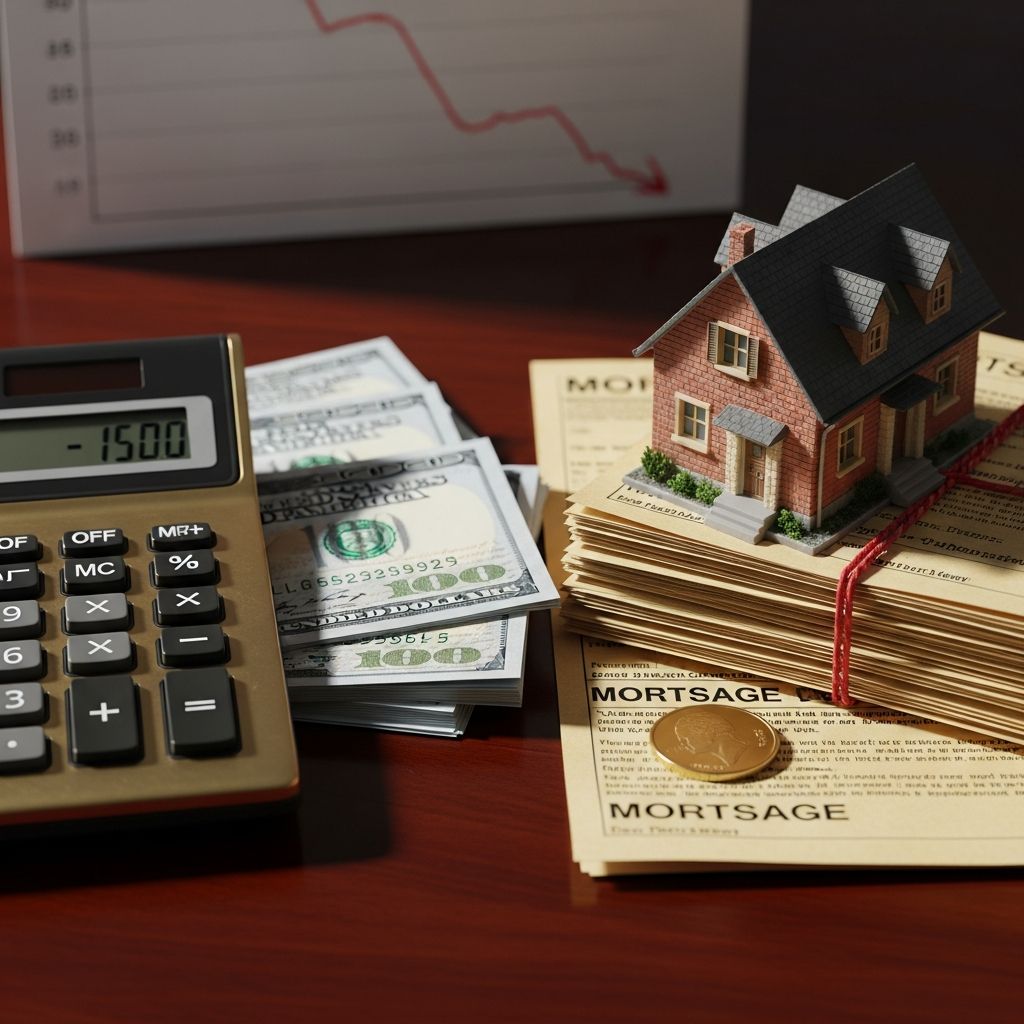
Subprime mortgages provide a pathway to homeownership for individuals with damaged credit histories or unstable incomes, but they carry substantial financial burdens due to elevated interest rates and fees designed to offset lender risk.
Understanding Subprime Mortgages
These loans target borrowers deemed high-risk by traditional standards, typically those with credit scores below 620. Lenders mitigate potential losses by imposing higher costs, making these products distinct from conventional financing options.
Unlike prime mortgages available to those with strong credit profiles, subprime loans feature adjustable rates that can rise sharply after an initial period, larger upfront fees, and sometimes penalties for early repayment. This structure reflects the lender’s assessment of default probability based on factors like past delinquencies or insufficient income verification.
Key Features of High-Risk Home Loans
- Elevated Interest Rates: Often 6-10% or higher, compared to 3-5% for prime loans, adding tens of thousands in lifetime costs.
- Adjustable Rate Structures: Introductory low rates that reset higher, potentially doubling monthly payments.
- High Closing Costs: Fees can exceed 10% of the loan amount, though post-2008 regulations have moderated this.
- Balloon Payments: Large lump sums due at term end, pressuring borrowers to refinance under uncertain conditions.
- Flexible Underwriting: Less emphasis on perfect credit but stricter income proof requirements.
Advantages for Borrowers with Credit Challenges
Despite drawbacks, subprime mortgages enable immediate access to property ownership, bypassing years of credit repair. For many, this represents a critical step toward building wealth through real estate appreciation.
- Opportunity to enter the housing market sooner, capitalizing on property value growth.
- Potential credit score improvement via consistent on-time payments, opening doors to better refinancing later.
- Customized terms accommodating irregular incomes or self-employment, unavailable in standard loans.
- Pathway to equity buildup, allowing future borrowing against home value for emergencies or investments.
Timely management of these loans has historically helped borrowers transition to more favorable financial products, fostering long-term stability.
Significant Drawbacks and Hidden Costs
The allure of quick home access fades against the reality of steeper expenses and vulnerability to economic shifts. Borrowers often underestimate payment escalations, leading to widespread financial strain.
- Prohibitive Overall Expense: Higher rates compound over 30 years, eroding affordability.
- Default and Foreclosure Peril: Subprime delinquency rates exceed prime by multiples, risking home loss.
- Credit Score Damage: Missed payments exacerbate existing issues, complicating recovery.
- Predatory Practices Risk: Some lenders exploit desperation with opaque terms or aggressive sales tactics.
Job loss or medical events amplify these dangers, as fixed budgets cannot absorb sudden hikes.
Comparing Subprime to Conventional Mortgages
| Aspect | Subprime Mortgage | Prime Mortgage |
|---|---|---|
| Credit Score Needed | Below 620 | Above 700 |
| Typical Rates | 6-10%+ | 3-5% |
| Down Payment | Larger (10-20%+) | 3-20% |
| Approval Ease | Flexible for poor credit | Strict, credit-focused |
| Foreclosure Risk | High | Low |
This table highlights why subprime options appeal to excluded buyers but at greater long-term cost.
Historical Context and Lessons Learned
The 2008 financial crisis spotlighted subprime lending’s dangers, as widespread defaults triggered global recession. Loose standards fueled a housing bubble, with adjustable-rate resets catching borrowers off-guard. Reforms like the Dodd-Frank Act imposed stricter oversight, limiting abusive features and mandating ability-to-repay assessments.
Today, subprime volumes remain subdued, but they persist for viable yet imperfect candidates. Borrowers must scrutinize terms amid recovering markets.
Who Qualifies and Application Process
Eligibility hinges on income stability over credit perfection. Lenders verify employment, assets, and debt ratios, often requiring substantial down payments. The process mirrors prime applications but yields costlier outcomes.
- Submit financial documents including tax returns and pay stubs.
- Undergo credit review, focusing on recent history.
- Receive customized quote reflecting risk profile.
- Close with elevated fees and sign adjustable terms.
Alternatives to Subprime Financing
Before committing, explore less risky paths to homeownership tailored for credit-challenged buyers.
- FHA Loans: Government-backed with low down payments (3.5%) and credit minimums around 580.
- VA or USDA Loans: Zero-down options for eligible veterans or rural buyers.
- Credit Unions: Community lenders offering competitive rates and counseling.
- First-Time Buyer Programs:
- Credit Repair Strategies: Six-month plans to boost scores for prime access.
State initiatives with grants or forgivable loans.
These options often prove cheaper and safer than subprime traps.
Strategies for Success with Subprime Loans
If subprime is unavoidable, proactive steps mitigate risks.
- Budget for worst-case rate scenarios using online calculators.
- Secure fixed-rate variants when available.
- Build emergency funds covering 6+ months of payments.
- Refinance aggressively upon credit improvement.
- Consult HUD-approved counselors for unbiased advice.
Current Market Trends in 2026
With stabilizing economies, subprime rates hover above prime by 4-6 points. Regulatory scrutiny ensures transparency, but borrowers face affordability squeezes from inflation. Demand persists among gig workers and recent immigrants.
Frequently Asked Questions
Are subprime mortgages still available?
Yes, though regulated and less prevalent post-crisis, they serve high-risk profiles unable to access FHA or conventional loans.
Can subprime loans improve my credit?
Consistent payments can, reporting positively to bureaus, but defaults worsen scores dramatically.
What credit score qualifies as subprime?
Typically below 620, with 500-579 often facing steepest terms.
How do rates adjust in subprime ARMs?
After 2-5 year teaser periods, they tie to indexes like LIBOR plus margins, capping increases but still burdensome.
Is foreclosure inevitable with subprime?
No, but rates are 3-5x higher than prime, per Federal Reserve data.
Final Considerations Before Signing
Subprime mortgages bridge gaps for the credit-impaired but demand rigorous financial planning. Prioritize alternatives and professional guidance to avoid pitfalls that derailed millions previously. Homeownership’s equity-building power rewards prudent choices over hasty ones.
References
- Subprime Mortgage Lending: Benefits, Costs, and Challenges — Federal Reserve Board. 2004-05-21. https://www.federalreserve.gov/BOARDDOCS/Speeches/2004/20040521/default.htm
- The Pros and Cons of Subprime Mortgages — Experian. 2023. https://www.experian.com/blogs/ask-experian/the-pros-and-cons-of-subprime-mortgages/
- What Is a Subprime Mortgage and Why Is It Risky? — Credible. 2024. https://www.credible.com/mortgage/what-is-a-subprime-mortgage
- Subprime Mortgages: History, risks, and who they’re for — Business Insider. 2025. https://www.businessinsider.com/personal-finance/mortgages/subprime-mortgage
- Subprime Mortgage: Meaning, Rates, Risks & Eligibility Guide — Bajaj Finserv. 2024. https://www.bajajfinserv.in/subprime-mortgage
Similar Articles








Read full bio of medha deb