Subprime Credit Cards Explained
Discover how subprime credit cards can help rebuild credit despite high costs and risks for those with poor scores.

Subprime credit cards provide a pathway for individuals with damaged or nonexistent credit histories to access revolving credit and begin repairing their financial profiles. These cards target borrowers deemed higher risk by lenders, offering approval where traditional cards would deny it, but at the expense of steeper costs.
Defining Subprime Credit and Its Borrowers
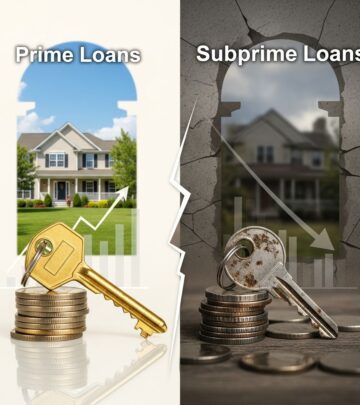
In the lending world, subprime credit describes financial products extended to those with suboptimal creditworthiness. A subprime borrower typically possesses a credit score in the lower ranges—often below 620 on FICO or VantageScore scales—or exhibits other risk indicators like recent bankruptcies, foreclosures, or sparse credit files. Unlike prime borrowers who enjoy low rates and high limits, subprime applicants face products with elevated interest rates, fees, and restrictions.
Credit scoring models categorize scores as follows: subprime generally spans 300-669 (FICO) or 300-600 (VantageScore), fair ranges from 620-680, good 680-740, and excellent above 740. Lenders view subprime profiles as prone to default, justifying protective measures in card terms.
Why Subprime Cards Exist in Today’s Market
These cards fill a critical gap for underserved populations, including young adults without credit history, immigrants new to the U.S. credit system, or those recovering from financial setbacks. By providing accessible credit, they enable users to demonstrate responsible behavior, gradually qualifying for better products.
Financial institutions profit from higher margins on subprime offerings, balancing risk with revenue from interest and fees. This ecosystem supports credit bureau reporting, where on-time payments positively influence FICO elements like payment history (35% of score) and credit utilization (30%).
Core Features of Subprime Credit Cards
Subprime cards diverge sharply from prime alternatives in structure and cost:
- High Annual Percentage Rates (APRs): Expect 24%-36% or more, versus 12%-22% for good-credit cards. Carrying balances amplifies debt via compound interest.
- Low Credit Limits: Initial approvals often cap at $300-$1,000, promoting low utilization but limiting purchasing power.
- Fees Galore: Annual fees ($19-$99+), monthly maintenance, or activation charges are common, eroding benefits.
- Limited Rewards: Rare cashback (0.5%-1%) or perks; focus remains on credit-building over luxury features.
| Feature | Subprime Cards | Prime Cards |
|---|---|---|
| Typical APR | 24%-36%+ | 12%-22% |
| Credit Limit | $300-$1,000 | $5,000+ |
| Annual Fee | $19-$99 | $0-$95 |
| Rewards | Minimal/none | 1%-5% cashback |
This table illustrates the trade-offs, highlighting why subprime cards demand disciplined use.
Types of Subprime Credit Cards Available
Subprime options split into two primary categories: secured and unsecured.
Secured Credit Cards
These require a refundable deposit ($200-$2,500) that sets your spending limit, minimizing lender risk. High approval rates make them ideal starters. Deposits earn interest in some cases, and consistent use can lead to limit increases or unsecured upgrades.
- Pros: Near-guaranteed approval, builds credit rapidly.
- Cons: Ties up funds; opportunity cost if money could earn higher yields elsewhere.
Unsecured Credit Cards
No deposit needed; approval hinges on basic credit checks or alternative data like income. Terms are tougher—higher APRs, fees—to offset risk.
- Pros: Funds remain liquid.
- Cons: Stricter scrutiny, potential for predatory fees.
Other variants include prepaid cards with credit-reporting features or store cards, but true subprime cards report to all three bureaus (Equifax, Experian, TransUnion).
Advantages of Choosing a Subprime Card
Despite drawbacks, benefits drive adoption:
- Credit Rebuilding: Positive payment history boosts scores over 6-12 months.
- Accessible Entry: Opens doors closed by prime issuers.
- Low Utilization Aid: Small limits naturally keep ratios under 30%, a key score factor.
- Path to Graduation: Many issuers upgrade users to better cards after proven responsibility.
For those in recovery, subprime cards outperform alternatives like payday loans by fostering long-term habits.
Significant Drawbacks and Hidden Pitfalls
High costs can trap users in cycles:
- Interest Accrual: A $500 balance at 30% APR adds $150 yearly if unpaid.
- Fee Accumulation: Multiple charges inflate minimum payments, prolonging debt.
- Targeted Marketing: Often pitched to vulnerable groups like low-income or unemployed individuals.
- Debt Risk: One in three severe debtors holds a subprime card, per studies.
Unsecured variants pose higher default risk for issuers, sometimes leading to aggressive collections.
Smart Strategies for Using Subprime Cards Effectively
Maximize gains while minimizing harm:
- Pay in Full Monthly: Avoid interest entirely.
- Track Utilization: Stay below 30%.
- Select Low-Fee Options: Compare via sites like CreditCards.com.
- Automate Payments: Prevent lates, which hurt scores 110 points on average.
- Request Increases: After 6 months of perfection, seek higher limits.
- Monitor Reports: Use AnnualCreditReport.com weekly.
Treat the card like debit: charge needs, not wants.
Comparing Subprime Cards to Alternatives
Consider these options:
| Option | Pros | Cons |
|---|---|---|
| Secured Card | Easy approval, credit build | Deposit required |
| Credit-Builder Loan | Fixed payments, no temptation | No revolving history |
| Authorized User | No hard inquiry | Relies on primary user |
| Payday Loan | Quick cash | Extortionate rates (400%+ APR) |
Subprime cards excel for revolving credit needs.
Steps to Transition from Subprime to Prime
Aim for prime status:
- Maintain 100% on-time payments.
- Lower utilization via increases or payoffs.
- Diversify with installment credit.
- Wait 12-24 months for negative marks to age.
- Apply for fair-credit cards (e.g., 620+ scores).
Graduation programs from issuers like Discover or Capital One facilitate this shift.
Frequently Asked Questions (FAQs)
Are subprime cards reported to credit bureaus?
Yes, reputable ones report to Equifax, Experian, and TransUnion, aiding score improvement.
Can I get a subprime card with no credit history?
Absolutely; secured versions approve thin files easily.
How long to improve credit with a subprime card?
3-12 months of perfect use yields 50-100+ point gains.
Are there subprime cards with rewards?
Few; prioritize building over perks.
Do subprime cards help avoid bankruptcy?
Responsible use prevents deeper debt, but mismanagement worsens it.
Final Thoughts on Responsible Credit Building
Subprime credit cards serve as tools, not saviors. With discipline, they pave the way to financial stability; without, they deepen holes. Research issuers, read terms, and pair with budgeting for best results. Over time, prime products await those who persist.
References
- What Is a Subprime Credit Card? Pros, Cons, Tips — Firstcard. 2023. https://www.firstcard.app/learn/blog/what-is-a-subprime-credit-card
- What Does Subprime Mean? — Experian. 2024-03-15. https://www.experian.com/blogs/ask-experian/what-is-subprime/
- What Is a Prime vs. Subprime Credit Score? — Credit.com. 2023. https://credit.com/blog/what-is-a-prime-vs-subprime-credit-score-189867
- Subprime credit definition — CreditCards.com. 2024. https://www.creditcards.com/glossary/term-subprime-credit/
- Subprime Credit Cards And Debt — StepChange. 2023-06-01. https://www.stepchange.org/policy-and-research/subprime-credit-cards-and-debt.aspx
- Subprime Loan – Overview, Types, Benefits and Limitations — Corporate Finance Institute. 2024. https://corporatefinanceinstitute.com/resources/commercial-lending/subprime-loan/
Similar Articles








Read full bio of medha deb