Subprime Auto Loans: Definition, Risks, and Alternatives
Understanding subprime auto loans: How they work, their risks, and better alternatives for financing a vehicle.

Understanding Subprime Auto Loans
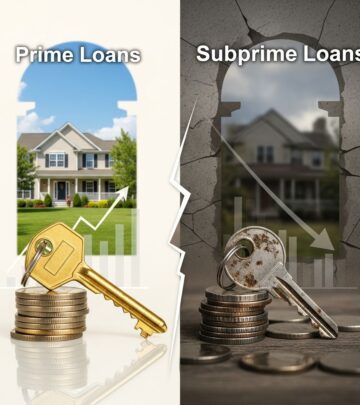
A subprime auto loan is a type of credit agreement extended to borrowers who have poor credit scores or limited credit history. These loans allow individuals who might otherwise struggle to obtain traditional financing to purchase a vehicle. While subprime auto loans can be a lifeline for those with financial challenges, they come with significantly higher costs and stricter terms than conventional auto loans. Understanding the mechanics, risks, and alternatives of subprime auto loans is essential for anyone considering this financing option.
What Are Subprime Auto Loans?
Subprime auto loans are specifically designed for borrowers who fall into lower credit score categories. The Consumer Financial Protection Bureau (CFPB) classifies credit scores into five distinct categories that determine loan eligibility and terms:
| Credit Score Category | Score Range |
|---|---|
| Deep Subprime | Below 580 |
| Subprime | 580 to 619 |
| Near Prime | 620 to 659 |
| Prime | 660 to 719 |
| Super Prime | 720 or higher |
Borrowers falling into the deep subprime, subprime, or near prime categories typically qualify for subprime auto loans. These loans serve a critical function in the auto financing market by providing access to vehicle ownership for individuals who have experienced financial setbacks, have limited credit history, or are first-time borrowers. However, the higher risk these borrowers represent to lenders translates directly into higher costs for the borrower.
How Subprime Auto Loans Work
The fundamental mechanics of a subprime auto loan are similar to conventional auto loans. A lender provides funds to purchase a vehicle, and the borrower agrees to repay the loan through monthly installments that include both principal and interest. However, the terms and conditions of subprime loans reflect the elevated risk profile of subprime borrowers.
During the application process, lenders assess your ability to repay the loan. They typically require documentation such as W-2 forms, bank statements, and proof of income to verify your financial capacity. This additional scrutiny helps lenders make informed decisions about loan approval and interest rate determination. The documentation you provide directly impacts the interest rate you receive and the overall terms of your loan agreement.
Loan terms for subprime auto loans typically range from 24 to 60 months, though many lenders now offer extended terms of 72 or 84 months. While longer loan terms result in lower monthly payments, they also mean paying significantly more interest over the life of the loan. Additionally, with longer terms, there is a greater risk of owing more on the vehicle than it is worth—a condition known as being “underwater” on the loan.
Interest Rates and APR for Subprime Auto Loans
The most distinguishing feature of subprime auto loans is their substantially higher interest rates compared to prime loans. Interest rates are expressed as an Annual Percentage Rate (APR), which represents the yearly cost of borrowing. The following table shows current average APRs by credit score category for new vehicle purchases:
| Credit Score Category | Average APR |
|---|---|
| Deep Subprime | 12.53% |
| Subprime | 9.41% |
| Near Prime | 6.07% |
| Prime | 3.51% |
| Super Prime | 2.47% |
The difference between deep subprime and super prime rates is dramatic—more than 10 percentage points. This disparity means that a borrower with a deep subprime score paying 12.53% will pay significantly more in total interest than a super prime borrower paying 2.47% for the same vehicle and loan term. For example, on a $25,000 vehicle financed over 60 months, the difference in total interest paid could exceed $5,000.
Key Risks Associated with Subprime Auto Loans
While subprime auto loans provide access to vehicle financing, they carry substantial risks that borrowers must carefully consider before committing to an agreement.
High Interest Rates and Total Cost
The elevated APRs associated with subprime loans result in substantially higher total borrowing costs. Over the life of a loan, these higher rates can add thousands of dollars to the vehicle’s purchase price. Before accepting a subprime loan offer, it is crucial to understand the total amount you will pay over the loan term and whether the vehicle will retain sufficient value to justify the expense.
Additional Fees and Charges
Beyond interest rates, subprime auto loans often include various fees designed to compensate the lender for the additional risk. These may include origination fees, documentation fees, prepayment penalties, and other charges that further increase the total cost of borrowing. Always request a complete disclosure of all fees before signing loan documents.
Negative Equity Risk
With longer loan terms and higher interest rates, subprime borrowers face increased risk of owing more on the vehicle than its market value. This negative equity position limits your flexibility if you want to sell the vehicle or refinance the loan. Additionally, if the vehicle is damaged in an accident, insurance proceeds may not cover the outstanding loan balance.
Payment Default Risk
The financial strain of high monthly payments can lead to missed or late payments. Default on an auto loan can result in vehicle repossession, further damaging your credit score and creating additional financial hardship. Lenders protect themselves against this risk by charging higher interest rates, but the burden ultimately falls on the borrower.
Steps to Secure a Subprime Auto Loan
If you determine that a subprime auto loan is appropriate for your situation, follow these steps to obtain the best possible terms:
1. Check Your Credit Score
Begin by obtaining your credit score and credit report from all three major credit bureaus—Equifax, Experian, and TransUnion. Understanding your credit position helps you anticipate which loan offers you qualify for and what interest rates you might receive. This information also allows you to identify any errors on your credit report that you can dispute to potentially improve your score before applying for a loan.
2. Research Lenders and Compare Offers
Different lenders offer different terms for subprime auto loans. Shop around with multiple lenders, including banks, credit unions, and online lenders, to obtain competing quotes. Do not accept the first offer presented; comparing multiple options can save you thousands of dollars in interest and fees over the life of the loan.
3. Prepare Financial Documentation
Gather all necessary financial documents, including recent pay stubs, W-2 forms, bank statements, and proof of residence. Having these documents ready speeds up the application process and demonstrates to lenders that you are organized and serious about the loan application.
4. Determine Your Budget and Loan Term
Calculate the maximum monthly payment you can realistically afford and work backward to determine the vehicle price and loan term that fits your budget. Consider whether a longer loan term with lower monthly payments is worth the additional interest you will pay. Be honest about your financial capacity to avoid committing to payments you cannot sustain.
5. Negotiate Loan Terms
Many lenders have flexibility in their terms and fees. Do not hesitate to negotiate for better rates or reduced fees, particularly if you have a co-signer or can provide a substantial down payment. Even a small reduction in your APR can result in meaningful savings over the loan term.
Alternatives to Subprime Auto Loans
Before committing to a subprime auto loan, explore alternative financing options that might better serve your situation.
Co-Signer Option
If you have a family member or trusted friend with good credit willing to co-sign your loan, you may qualify for more favorable terms than you would receive alone. The co-signer assumes legal responsibility for the loan if you default, which is why finding a willing co-signer can be challenging.
Credit Union Loans
Credit unions often offer more flexible lending standards and lower interest rates than traditional banks or independent lenders. If you have access to a credit union through your employer or community, investigate their auto loan options for members with limited credit history.
Buying a Less Expensive Vehicle
Purchasing a more affordable used vehicle rather than a newer or more expensive model can reduce your loan amount and total borrowing costs. A less expensive vehicle financed through a subprime loan may be more manageable than a higher-priced vehicle, and you reduce your exposure to negative equity risk.
Improving Your Credit Score First
If possible, delay your vehicle purchase while you work to improve your credit score. Paying down existing debt, disputing credit report errors, and making all payments on time can gradually improve your score. Even a modest improvement might qualify you for better loan terms that result in substantial savings.
Building Credit Through Subprime Auto Loans
Despite their drawbacks, subprime auto loans can serve as a tool for building credit when managed responsibly. Making consistent, on-time payments on a subprime auto loan demonstrates to creditors that you can manage debt reliably. Over time, this positive payment history can improve your credit score, making you eligible for better loan terms in the future. If you successfully manage a subprime auto loan, your next vehicle purchase might qualify for significantly better rates, saving you thousands of dollars.
Frequently Asked Questions
Q: What is the minimum credit score needed for a subprime auto loan?
A: Most subprime auto loans are available to borrowers with credit scores below 660. However, even borrowers with scores below 580 (deep subprime) can qualify, though they will face higher interest rates and fees.
Q: Can I refinance my subprime auto loan?
A: Yes, if your credit score improves over time, you may be able to refinance your subprime auto loan into a prime loan with lower interest rates. Refinancing can result in significant monthly savings, though you should compare refinancing costs against potential savings.
Q: What happens if I miss a payment on a subprime auto loan?
A: Late payments can result in additional fees, penalty interest rates, and damage to your credit score. If you miss multiple payments, the lender may repossess the vehicle. Contact your lender immediately if you anticipate difficulty making a payment to discuss options.
Q: Is it better to put down a larger down payment on a subprime auto loan?
A: Yes, a larger down payment reduces the amount you need to borrow, lowering the total interest and fees you will pay. It also reduces the risk of negative equity and demonstrates financial commitment to lenders, potentially securing better terms.
Q: How long does a subprime auto loan typically take to approve?
A: Most subprime auto loan applications are processed within 24 to 48 hours, though some lenders offer same-day decisions. Online lenders often provide faster approval times than traditional banks or dealerships.
References
- What Are Subprime Auto Loans? (Risks, Factors, and Alternatives) — Car and Driver. 2024. https://www.caranddriver.com/auto-loans/a43045785/what-are-subprime-auto-loans/
- Consumer Financial Protection Bureau (CFPB) Credit Score Classifications — Consumer Financial Protection Bureau. https://www.consumerfinance.gov
Similar Articles








Read full bio of Sneha Tete