Student Loans for Study Abroad: Smart Choice?
Explore the benefits, risks, and smarter paths to funding your international education without drowning in debt.
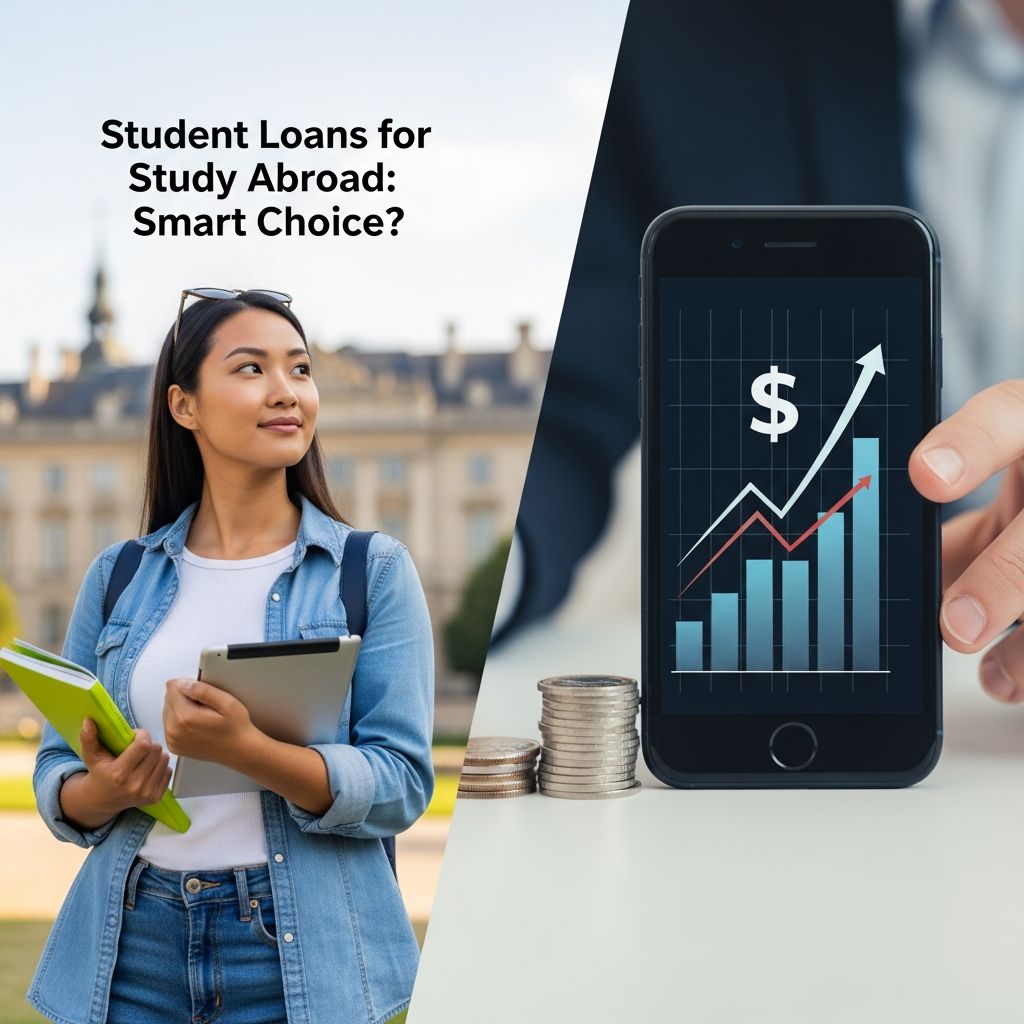
Financing an education overseas often requires creative funding strategies, and student loans stand out as a popular option for many aspiring global learners. These loans can bridge the gap between dreams of international study and financial reality, covering everything from tuition to daily living costs. However, their appeal comes with strings attached, including repayment obligations that could linger for years. This guide dives deep into whether borrowing for study abroad aligns with your long-term goals, drawing on key advantages, potential pitfalls, and viable alternatives to help you decide wisely.
Understanding the Landscape of Overseas Education Costs
Studying abroad typically involves steeper expenses than domestic programs. Tuition alone can range from tens to hundreds of thousands of dollars, depending on the destination and institution. Add in housing, meals, transportation, health insurance, and visa fees, and the total bill escalates quickly. For instance, a master’s program in the UK or US might exceed $40,000-$100,000, not counting currency fluctuations that can amplify costs for international students.
Student loans designed for abroad study aim to tackle these multifaceted expenses. They differ from standard domestic loans by accommodating foreign institutions and often including travel or setup costs. Federal options in places like the US, such as Direct Subsidized, Unsubsidized, and PLUS loans, extend to approved study abroad programs, offering structured repayment with potential grace periods. Private lenders provide flexibility but at varying rates.
Key Advantages of Securing a Student Loan for International Study
Borrowing for overseas education isn’t without merits. Lenders craft these products to support ambitious students, providing access to world-class opportunities that might otherwise be out of reach.
- Affordable Interest Structures: Many loans feature competitive rates, sometimes lower than personal loans, with concessions for good credit or autopay setups. International banks may offer up to 3% savings annually under specific terms.
- Comprehensive Coverage: Funds extend beyond tuition to essentials like laptops, books, travel, and living expenses, ensuring you’re not scrambling for cash mid-semester.
- Flexible Loan Types: Choose secured loans with collateral for better terms or unsecured options from non-bank financial companies (NBFCs), which can go up to substantial amounts without asset pledges for eligible courses.
- Repayment Relief: Moratorium periods—often 6-12 months post-graduation—delay payments while you job hunt. Easy EMIs, minimal paperwork, and quick approvals streamline the process.
- Credit and Tax Perks: Building credit history strengthens your financial profile, and tax deductions on interest may apply in certain countries.
- Visa and Career Edges: Proof of funds via loans bolsters visa applications, and ties to partner universities can unlock job networks.
These benefits make loans a lifeline for funding transformative experiences, like semester exchanges where room and board match home costs but add enriching travel.
Significant Drawbacks and Hidden Risks
Despite the upsides, student loans carry burdens that demand careful scrutiny, especially for international students facing unique challenges.
- High Interest Accumulation: Rates for non-domestic borrowers often exceed those for locals, snowballing debt if repayment lags. A $50,000 loan at 10% could balloon significantly over years.
- Cumbersome Documentation: Expect extensive paperwork, including collateral like property for secured loans, credit checks, and income proofs—barriers for many first-time borrowers.
- Eligibility Hurdles: Unsecured loans require pristine credit; uncertainty about programs or destinations complicates approvals.
- Currency and Lifestyle Volatility: Loans in home currency (e.g., USD) must convert to host country funds, where living costs or exchange rates might surprise. Travel home for breaks adds up.
- Repayment Pressure Post-Graduation: High-paying jobs aren’t guaranteed, especially if returning home where salaries lag abroad expectations. Deferred payments accrue interest, worsening the load.
Private loans lack federal protections like income-based plans, amplifying risks if career paths shift.
Comparing Loan Options: A Breakdown
To navigate choices, consider this table outlining common loan categories:
| Loan Type | Eligibility | Interest Rate | Collateral Needed? | Repayment Features |
|---|---|---|---|---|
| Federal Subsidized (e.g., US Direct) | Undergrads with need | Lowest rates | No | Grace period; income-based options |
| Federal Unsubsidized | All students | Moderate | No | Accrues interest in school |
| Federal PLUS | Grad/Parents | Higher | Credit check | Flexible plans |
| Private/Secured | With collateral | Variable, often low | Yes | Tax benefits possible |
| Private Unsecured (NBFC) | Good credit | Higher | No | Quick processing; no cap |
This comparison highlights trade-offs: federal loans prioritize accessibility, while private ones offer scale but demand stronger finances.
Alternatives to Traditional Student Loans
Before committing to debt, explore these lower-risk paths:
- Scholarships and Grants: Merit- or need-based awards from universities, governments, or organizations cover costs without repayment. Prioritize these first.
- Work-Study Programs: On-campus jobs or internships abroad offset expenses while building resumes.
- Crowdfunding and Family Support: Platforms like FundMyTravel or relatives can fill gaps without interest.
- Part-Time Work Visas: Many countries allow 20 hours/week, easing living costs.
- Affordable Destinations: Opt for programs in lower-cost areas like Europe exchanges with reciprocal agreements.
Combining these minimizes borrowing—vital since grants don’t accrue debt.
Steps to Evaluate If a Loan Fits Your Plan
- Budget Thoroughly: Tally all costs, including hidden ones like insurance and currency conversion.
- Research Lenders: Compare rates, terms, and eligibility across banks, NBFCs, and federal aid.
- Project Earnings: Research post-grad salaries in your field and location to ensure repayment feasibility.
- Seek Counseling: Consult financial advisors or study abroad offices for personalized advice.
- Apply Strategically: Start with free aid, then minimal loans for essentials only.
Run scenarios: If debt exceeds expected first-year salary by 1x, reconsider.
Real-World Case Studies
Consider a student heading to Ireland: Matching room costs but added travel enriches learning without excessive borrowing. Conversely, a US-bound master’s grad faces $60k+ debt; without high-income roles, it hampers life milestones. Success hinges on program ROI and repayment discipline.
Frequently Asked Questions (FAQs)
Can federal loans fund any study abroad program?
Yes, if the institution participates in federal aid programs. Check eligibility for subsidized/unsubsidized options.
Are private loans better for international students?
Not always—federal protections often outweigh private flexibility, especially rates.
What if I can’t repay immediately after graduating?
Grace periods help, but interest accrues. Explore deferments or income-based plans.
Do loans cover travel and visas?
Often yes, as part of eligible expenses.
Is studying abroad with loans worth the debt?
If it boosts career prospects significantly, yes—but exhaust alternatives first.
Making the Final Call: Is It Right for You?
Student loans can unlock doors to unparalleled growth, but only if managed astutely. Prioritize low-debt paths, align with career goals, and borrow conservatively. Global education enriches lives, yet financial freedom post-graduation ensures those experiences propel you forward, not hold you back.
References
- Education Loan for Study Abroad: Key Pros, Cons & Alternatives — StudySmart.co.in. 2023. https://studysmart.co.in/blog/student-loans-for-studying-abroad-pros-cons-and-alternatives
- Should you take study loans to study abroad? A smart move or a … — YouTube (FundMyTravel). 2023-02-11. https://www.youtube.com/watch?v=rod3mavrjpg
- The Pros and Cons of Taking Out a Student Loan as an International … — Acadfly.com. 2024. https://www.acadfly.com/blogs/pros-cons-international-student-loans
- Everything You Need to Know About Student Loans for Study Abroad — GoOverseas.com. 2024. https://www.gooverseas.com/blog/get-student-loans-study-abroad
- Can Student Loans Be Used for Study Abroad? – Sallie Mae — SallieMae.com. 2024. https://www.salliemae.com/blog/study-abroad-student-loan/
- Using Student Loans to Travel: What You Need to Know — FundMyTravel Blog. 2025-02-11. https://blog.fundmytravel.com/2025/02/11/using-student-loans-to-travel/
Similar Articles








Read full bio of medha deb