Student Loans and Credit Building
Discover how managing student loans responsibly can strengthen your credit profile while avoiding pitfalls that harm your score.

Student loans represent a major financial milestone for millions pursuing higher education. These debts not only fund degrees but also enter the realm of credit reporting, influencing FICO and VantageScore calculations in profound ways. Responsible handling can establish a solid financial foundation, while mismanagement leads to setbacks. This article explores the mechanics of how student loans interact with credit scores, offering practical guidance for borrowers.
The Mechanics of Credit Scores and Student Debt
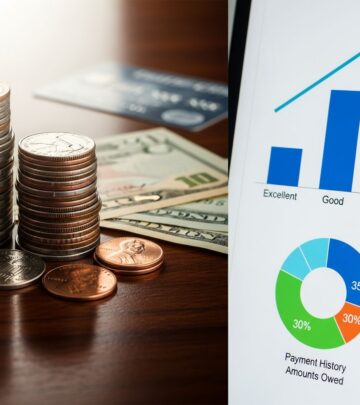
Credit scores aggregate data from credit reports maintained by Equifax, Experian, and TransUnion. FICO scores, used by 90% of top lenders, weigh five factors: payment history (35%), amounts owed (30%), length of credit history (15%), credit mix (10%), and new credit (10%). Student loans, classified as installment accounts, feed into multiple categories.
- Payment History: Tracks on-time versus late payments. Consistent timeliness signals reliability to lenders.
- Amounts Owed: Examines total debt relative to credit limits, including installment balances like student loans.
- Length of History: Measures account age; long-term loans extend this positively.
- Credit Mix: Values diversity between revolving (e.g., cards) and installment debt.
- New Credit: Minor impact from loan origination inquiries.
Federal loans like Direct Subsidized/Unsubsidized skip hard inquiries for most borrowers, easing entry. PLUS loans check credit, potentially dinging scores temporarily.
Positive Effects: Building Credit Through Student Loans
When managed well, student loans enhance creditworthiness. Here’s how:
Establishing Payment History
Payment history dominates scoring models. On-time student loan payments demonstrate fiscal discipline, gradually elevating scores. For new borrowers, this becomes their primary positive mark.
Diversifying Your Credit Portfolio
Lenders favor borrowers juggling varied debts. Adding an installment loan to revolving accounts shows versatility, accounting for 10% of scores.
Extending Credit History Duration
Loans taken during college often span 10-25 years. They anchor your credit file’s age, a 15% factor. Post-payoff, the account remains, preserving history length.
| Credit Factor | Weight | Student Loan Benefit |
|---|---|---|
| Payment History | 35% | On-time payments build trust |
| Credit Mix | 10% | Adds installment diversity |
| Length of History | 15% | Long repayment extends age |
Early loans provide a head start, especially for those without prior credit.
Risks and Negative Consequences
Mismanaged loans inflict lasting harm. Delinquencies—30+ days late—trigger reporting after 90 days, slashing scores.
Impact of Late Payments
One late payment dips scores mildly; multiples compound damage. Federal guidelines deem loans delinquent post-miss, with bureau reporting at 90 days.
Delinquency and Default Stages
- 30 Days Late: Score drop; servicer contacts begin.
- 90 Days Late: Bureau reporting; significant decline (e.g., 171 points for superprime borrowers).
- 270 Days Late (Federal): Default; wage garnishment, aid ineligibility.
Negatives persist seven years from first delinquency.
Post-Payoff Effects
Paid-off loans shift to ‘zero balance,’ potentially shortening average account age if they’re your oldest.
Real-World Score Impacts
Data illustrates severity. Pre-2020 analysis shows 90+ day delinquencies dropping superprime scores (760+) by 171 points, subprime (<620) by 87. With 2025 reporting resumption, over nine million borrowers face hits.
Deferments/forbearances (e.g., in-school) don’t harm if current, preserving positives.
Strategies for Maximizing Credit Benefits
Leverage loans constructively:
- Automate Payments: Avoid misses; many servicers offer autopay discounts.
- Monitor Reports: Check annually via AnnualCreditReport.com for errors.
- Explore Forgiveness: PSLF/Public Service keeps history positive without full repayment.
- Refinance Wisely: Private options may lower rates but lose federal protections; ensure on-time history transfers.
- Build Additional Credit: Pair with secured cards for mix without risk.
Federal vs. Private Student Loans: Credit Differences
| Aspect | Federal | Private |
|---|---|---|
| Credit Check | Rarely (except PLUS) | Always; hard inquiry |
| Reporting | Standard to bureaus | Standard to bureaus |
| Forgiveness/Deferment | Extensive options | Limited |
| Default Consequences | Garnishment, aid loss | Collections, lawsuits |
Federal loans suit credit-building due to flexibility.
Common Myths Debunked
- Myth: Loans always hurt scores. False—timely payments help.
- Myth: Deferment erases history. No, it reports as deferred, neutral if current.
- Myth: Payoff boosts scores instantly. Mixed; history persists but average age may dip.
Long-Term Financial Planning
Integrate loans into broader goals. High debt-to-income hampers new borrowing, but strong scores offset via better terms. Aim for utilization under 30%; diversify post-graduation.
For struggling borrowers, IDR plans cap payments at income percentages, maintaining history.
Frequently Asked Questions
Do student loans build credit if I’m still in school?
Yes, deferred federal loans report positively, starting your history early without payments.
How long do late student loan payments affect my score?
Up to seven years, though impact fades over time with positive behavior.
Can I improve credit after default?
Rehabilitation or consolidation removes default notation; rebuild via secured credit.
Does loan forgiveness hurt credit?
No, forgiven balances report as $0 with positive history.
Should I refinance to build credit faster?
Only if rates improve and protections aren’t needed; focus on payments first.
References
- Do Student Loans Affect a Credit Score? — Discover. 2023. https://www.discover.com/credit-cards/card-smarts/do-student-loans-affect-credit-score/
- Do Student Loans Affect My Credit Score? Here’s What to Know. — HESC Loans. 2024. https://www.hescloans.com/blog/do-student-loans-affect-your-credit-score
- Do Student Loans Affect Your Credit Scores — Equifax. 2024. https://www.equifax.com/personal/education/loans/articles/-/learn/do-student-loans-affect-credit-scores/
- Do Student Loans Affect Credit Scores? — Curis Financial Credit Union. 2024. https://curisfinancial.org/student-loans-affect-on-credit-score/
- Do student loans affect my credit score? — Consumer Financial Protection Bureau (.gov). 2024-03-15. https://www.consumerfinance.gov/ask-cfpb/do-student-loans-affect-my-credit-score-en-581/
- How do student loans affect your credit score? — Citizens Bank. 2024. https://www.citizensbank.com/learning/how-student-loans-affect-credit-score.aspx
- Credit Score Impacts from Past Due Student Loan Payments — Federal Reserve Bank of New York. 2025-03-01. https://libertystreeteconomics.newyorkfed.org/2025/03/credit-score-impacts-from-past-due-student-loan-payments/
Similar Articles








Read full bio of Sneha Tete