Student Loans Abroad: Repayment Guide
Navigate student loan repayments when living overseas with expert strategies for federal, private loans, and expat tax benefits.
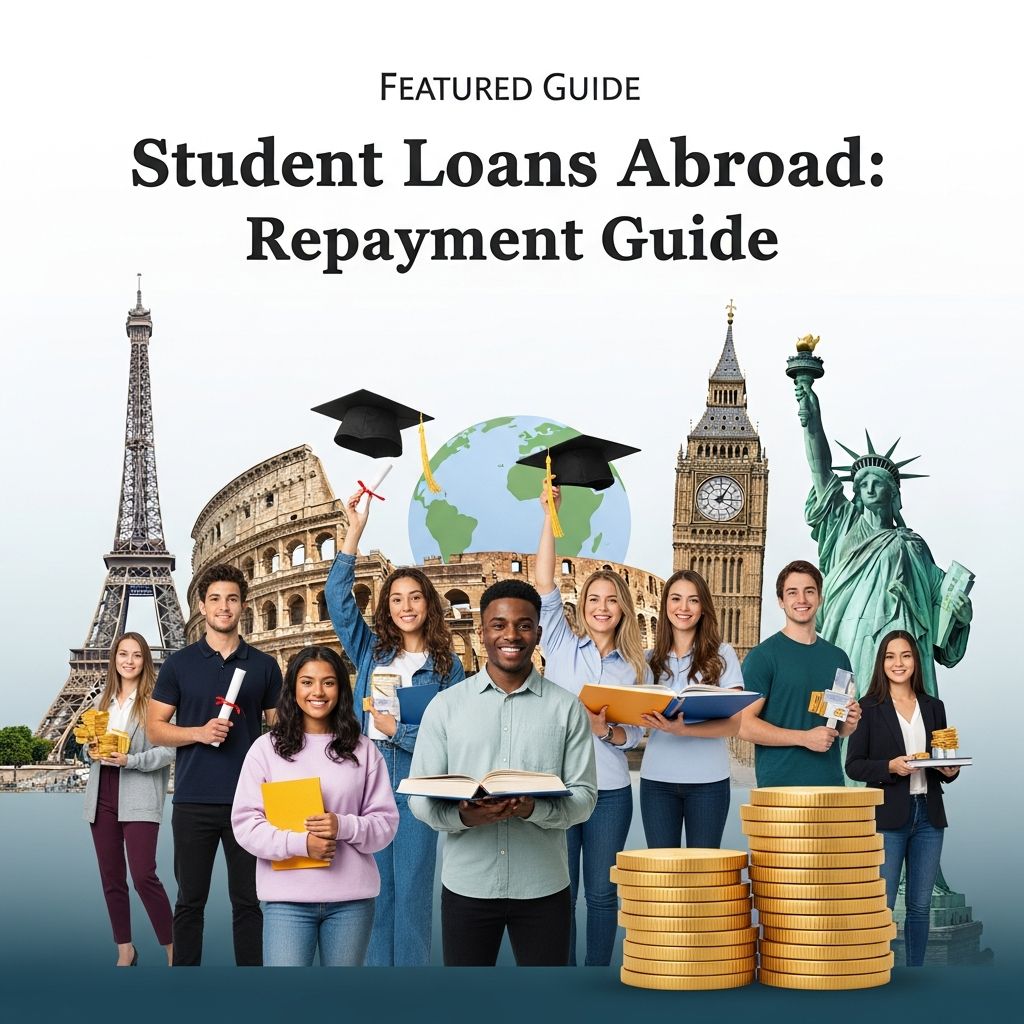
Moving overseas doesn’t erase your U.S. student loan obligations. Borrowers must continue payments on federal and private loans regardless of location, though options like income-driven plans and tax exclusions can ease the burden. This guide explores key considerations for expats handling debt from abroad.
Understanding Your Loan Type Before Relocating
Student debt falls into two main categories: federal and private. Federal loans, backed by the U.S. Department of Education, offer flexible repayment and forgiveness programs accessible worldwide. Private loans from banks or lenders like Citizens Bank follow contract terms, often with less leniency for international borrowers.
Federal loans allow enrollment in programs like Income-Driven Repayment (IDR), where payments adjust based on income, potentially dropping to zero if earnings are low. Private loans typically require fixed payments, but some provide deferrals or graduated schedules. Review your loan servicer’s terms to confirm international payment methods, such as wire transfers or online portals supporting foreign addresses.
Federal Student Loans: Global Repayment Rules
You remain responsible for federal Direct Subsidized, Unsubsidized, or PLUS loans even after moving abroad. Payments continue automatically unless you switch to an IDR plan. Servicers like Nelnet or MOHELA accept payments from overseas bank accounts, though currency conversion fees may apply.
Key federal options include:
- Standard Repayment: Fixed payments over 10 years, ideal for stable income but challenging with fluctuating exchange rates.
- Extended Repayment: Up to 25 years for lower monthly amounts, increasing total interest.
- Income-Driven Plans: SAVE, PAYE, or IBR cap payments at 10-20% of discretionary income, with forgiveness after 20-25 years. Recertify annually, reporting foreign income converted to USD.
Grace periods of 6-9 months post-graduation apply universally, but interest accrues on unsubsidized loans. Public Service Loan Forgiveness (PSLF) is unavailable for most overseas jobs, as they rarely qualify as “public service.”
Private Student Loans: Lender-Specific Policies
Private lenders like MPOWER Financing or Prodigy Finance cater to international students but enforce strict repayment abroad. Expect no automatic deferrals; many require payments starting 60 days post-disbursement or after a short grace period.
Common structures:
| Repayment Type | Description | Pros | Cons |
|---|---|---|---|
| Interest-Only | Pay interest during school and 6 months post-graduation. | Reduces capitalization; saves on future interest. | Increases short-term costs. |
| Deferred | No payments until after grace period. | Cash flow during studies. | Interest capitalizes, ballooning balance. |
| Immediate | Full payments soon after funding. | Minimizes interest growth. | High burden for students. |
| Graduated | Low initial payments rising over time. | Matches career growth. | Higher total interest. |
Refinancing abroad is possible post-graduation with strong credit or a U.S. cosigner, potentially securing lower rates. Variable rates risk increases with market shifts, while fixed rates offer predictability.
Navigating Payments from Overseas
Making on-time payments internationally requires planning. Use services like Wise or OFX for low-fee USD transfers. Update your servicer with a foreign address and phone number; most accommodate but may charge extra for paper statements.
Currency fluctuations amplify costs— a strengthening USD means higher payments in local currency. Automate transfers to avoid late fees, which add 5-6% penalties and harm credit scores reported to U.S. bureaus like Experian, visible globally via FICO.
Default risks collections abroad, though U.S. lenders rarely pursue legal action overseas due to enforcement challenges. Wage garnishment doesn’t apply internationally, but tax refunds and Social Security can be offset.
Leveraging Tax Strategies for Expats
The Foreign Earned Income Exclusion (FEIE) excludes up to $126,500 (2026) of foreign-earned income from U.S. taxes, indirectly aiding IDR plans. With zero taxable income, IDR payments can hit $0, though interest accrues. After 20-25 years, remaining balances forgive tax-free under current rules.
Combine with Foreign Tax Credit if your host country taxes income. Risks include ineligibility if you return to the U.S. prematurely, triggering back taxes or plan adjustments. Annual recertification demands accurate foreign income reporting in USD.
Refinancing and Consolidation Opportunities
Post-graduation, consolidate federal loans into a Direct Consolidation Loan for simpler management. Refinance private loans with lenders like SoFi if you have U.S. credit history. International students may need cosigners, but fixed-rate options stabilize costs amid forex volatility.
Pros of refinancing: Lower rates (4-7% vs. original 6-12%), single payment. Cons: Lose federal benefits; extended terms raise total interest. Shop rates only after building post-grad credit.
Challenges and Pitfalls for International Borrowers
Exchange rate volatility can double effective payments overnight. Limited cosigner release options trap family guarantors. Credit reporting persists, affecting future U.S. visas or loans.
Mitigate by:
- Choosing fixed-rate loans.
- Building an emergency fund covering 6 months’ payments.
- Monitoring servicer communications via international email.
- Exploring employer loan repayment assistance, rare abroad.
Visa restrictions may bar work in some countries, straining repayment. Hardship forbearance (3-12 months) pauses payments but capitalizes interest.
Long-Term Planning for Debt Freedom
Project total costs using online calculators: A $50,000 loan at 5% over 10 years totals ~$53,000; extend to 20 years, ~$66,000. Prioritize high-interest private debt. Side hustles or remote U.S. jobs boost IDR payments toward faster payoff.
If returning stateside, realign to standard plans. Track forgiveness clocks carefully—overseas years count if enrolled in qualifying plans.
Frequently Asked Questions
Can I defer federal student loans while abroad?
Yes, via IDR or forbearance, but interest accrues. Deferment isn’t automatic for location alone.
Do private lenders report to credit bureaus from overseas?
Yes, delinquencies impact FICO scores worldwide.
Is loan forgiveness available for expats?
IDR forgiveness applies after 20-25 years; PSLF rarely qualifies overseas jobs.
How do exchange rates affect repayments?
They increase costs if your local currency weakens against USD; hedge with multi-currency accounts.
Can I make payments in foreign currency?
No, payments must be in USD; use transfer services to convert.
Proactive management ensures student loans don’t derail your global adventure. Consult a tax advisor for FEIE-IDR synergy and review terms annually.
References
- International Student Loans Guide — OEDb. 2023. https://www.oedb.org/international-student-loan/
- International Student Loan Repayment Explained — Nomad Credit. 2024. https://www.nomadcredit.com/blog/international-student-loan-repayment-guide
- International Student Loan Repayment — MPOWER Financing. 2024. https://www.mpowerfinancing.com/financial-empowerment/international-student-loan-repayment
- Student Loan Basics for International Students — Prodigy Finance. 2023. https://prodigyfinance.com/resources/blog/student-loan-basics-what-every-international-student-should-know-before-borrowing/
- A Guide to Student Loans for International Students — Post University. 2024. https://post.edu/blog/guide-to-student-loans-for-international-students/
- Student Loans Overseas: Debt Strategies for Expats — BrightTax. 2023. https://brighttax.com/blog/student-loans-overseas/
- How to Take Out International Student Loans — Citizens Bank. 2024. https://www.citizensbank.com/learning/international-student-loans.aspx
Similar Articles








Read full bio of Sneha Tete