Student Loan Interest Resumes: SAVE Plan Impact & Your Options
Navigate the SAVE plan changes: understand interest resumption, explore repayment options, and take action now.
Student Loan Interest Resumes: Understanding the SAVE Plan Changes
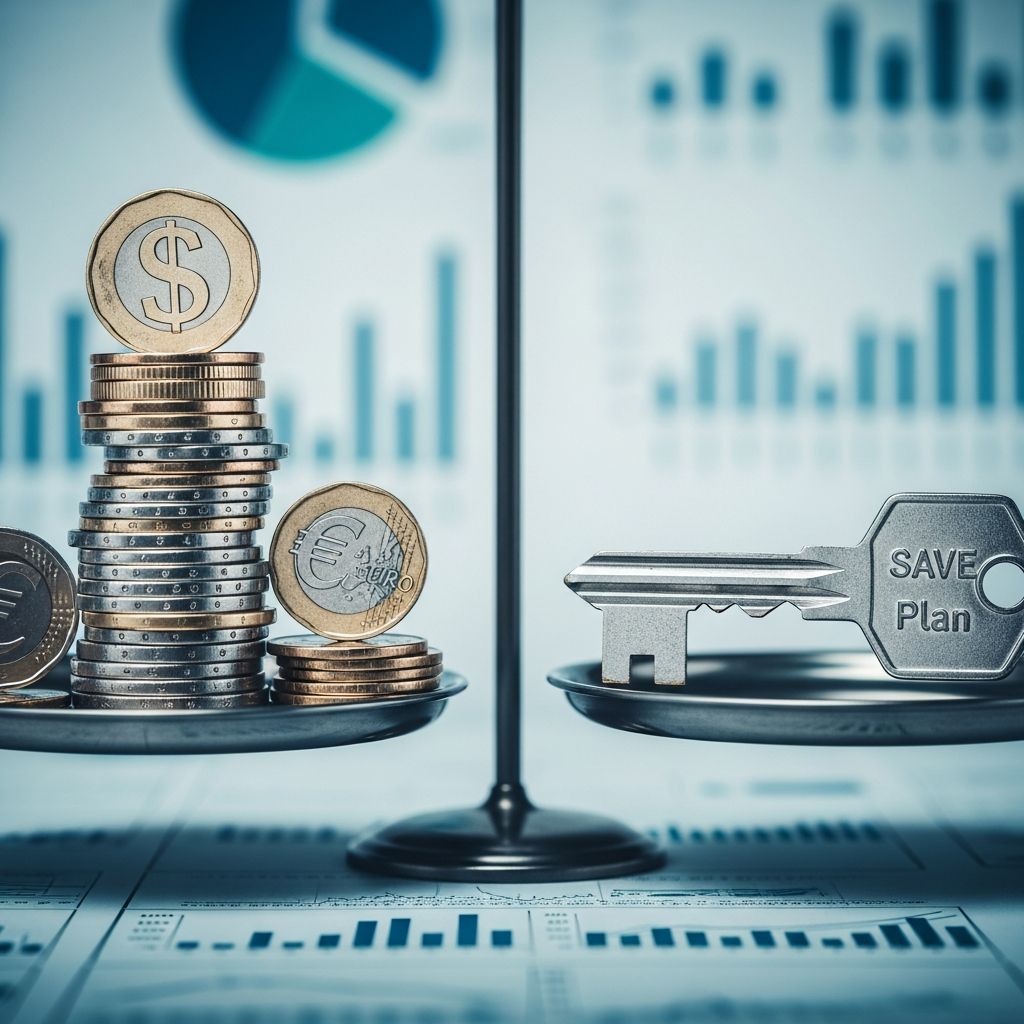
After an extended period of relief, federal student loan borrowers enrolled in the SAVE (Saving on a Valuable Education) repayment plan faced a significant change when interest accrual resumed on August 1, 2025. This development marks a crucial turning point for millions of borrowers who have benefited from a zero percent interest rate during the forbearance period. Understanding what this means for your loans and exploring your options is essential for managing your financial future effectively.
The SAVE plan, which was designed to provide meaningful relief to federal student loan borrowers, had placed millions of loans in forbearance with zero percent interest rates. However, following a federal court injunction that blocked implementation of key SAVE Plan provisions, the Department of Education announced that interest would begin accruing again. This shift requires borrowers to take proactive steps to understand their obligations and explore repayment strategies that align with their financial circumstances.
What Changed on August 1, 2025
The resumption of interest accrual represents a fundamental change in how SAVE plan borrowers’ loans are treated. When interest starts accruing on August 1, loan balances begin growing again, which means borrowers will owe more than just their principal amounts. This is particularly important to understand because the interest will continue accumulating until borrowers transition to a new repayment plan or begin making payments.
It’s important to note that interest was not assessed retroactively for the period when loans were in forbearance. However, any interest that accrues from August 1 forward will be added to your loan balance. When the SAVE Plan forbearance officially ends, borrowers will be responsible for making monthly payments that include both the accrued interest and their principal amounts. This means your total debt obligation will be larger than it was before the interest resumption.
Impact on Borrowers and Loan Balances
The primary impact of interest resumption is that loan balances will grow over time. For borrowers who have been relying on the zero percent interest rate to prevent their debt from increasing, this change means taking action becomes urgent. The longer a borrower waits to transition to a new repayment plan, the more interest will accrue on their loans.
According to the U.S. Department of Education, approximately 7.7 million borrowers were enrolled in the SAVE Plan when the changes took effect. Each of these borrowers needs to understand how the interest resumption affects their specific situation and what steps they should take next. The Department began direct outreach to these borrowers with instructions on how to move to a legally compliant repayment plan.
Alternative Repayment Plans Available to You
If you’re enrolled in the SAVE plan, you have several alternative repayment options to consider. The Department of Education has emphasized that borrowers should quickly transition to a legally compliant repayment plan to continue making progress on their loans and potentially qualify for loan discharge programs.
Income-Based Repayment (IBR) Plan
The Income-Based Repayment plan is one of the most accessible alternatives for SAVE plan borrowers. This plan ties your monthly payment to your income level, ensuring that your payments remain manageable based on what you actually earn. The IBR plan is currently available and is expected to remain available for the foreseeable future, making it a stable option for borrowers seeking income-driven relief.
Pay As You Earn (PAYE) Plan
The Pay As You Earn plan is another income-driven option that calculates your monthly payment based on your discretionary income. This plan typically results in lower monthly payments compared to some other repayment options. However, it’s important to note that PAYE is currently facing legal challenges and may be restricted in the future. The Department has indicated that PAYE may have limited enrollment availability within approximately three years.
Income-Contingent Repayment (ICR) Plan
The Income-Contingent Repayment plan is another income-driven option that has been available for several years. Like PAYE, ICR is currently impacted by legal challenges. The Department has indicated that borrowers should be aware this plan may not be available indefinitely, with restrictions potentially taking effect within three years.
New Repayment Assistance Plan
On July 4, President Trump signed the One Big Beautiful Bill Act into law, which includes a new income-based Repayment Assistance Plan that will be available to borrowers by July 1, 2026. This new plan represents a future option for borrowers seeking income-driven relief, though details about its specific terms and eligibility requirements are still being finalized by the Department of Education.
Comparing Your Repayment Options
| Repayment Plan | Payment Calculation | Current Status | Future Availability |
|---|---|---|---|
| Income-Based Repayment (IBR) | Based on 10-15% of discretionary income | Available now | Stable long-term option |
| Pay As You Earn (PAYE) | Based on 10% of discretionary income | Available with limitations | May be restricted within 3 years |
| Income-Contingent Repayment (ICR) | Based on adjusted gross income | Available with limitations | May be restricted within 3 years |
| Repayment Assistance Plan | Income-based calculation (details pending) | Available July 1, 2026 | New long-term option |
Taking Action: Steps to Transition to a New Plan
If you’re currently enrolled in the SAVE plan, taking prompt action is essential. Here are the key steps you should follow:
Step 1: Visit StudentAid.gov The Department of Education website is your first stop for information about available repayment plans and your specific options. You’ll find detailed information about each plan’s requirements and how they calculate your monthly payments.
Step 2: Use the Loan Simulator The Department encourages borrowers to use the Loan Simulator tool, which allows you to estimate monthly payments under different repayment plans, determine repayment eligibility, and identify which option best meets your specific repayment goals. This tool is invaluable for understanding how different plans would affect your monthly budget.
Step 3: Select Your New Repayment Plan Based on your income, family size, and financial goals, choose the repayment plan that works best for your situation. Consider whether you’re working toward Public Service Loan Forgiveness or other loan discharge programs, as this may influence which plan is most advantageous.
Step 4: Submit Your Application If you haven’t previously submitted an Income-Driven Repayment (IDR) application, you’ll need to do so now. However, if you’ve already submitted an IDR application and selected the Income-Based Repayment, Pay As You Earn, or Income-Contingent Repayment Plan, you don’t need to submit a new application. Simply notify your loan servicer of your preference.
Special Considerations for Public Service Loan Forgiveness
If you’re working toward Public Service Loan Forgiveness (PSLF), it’s particularly important to understand how the SAVE plan transition affects your progress. SAVE plan borrowers working toward PSLF must switch out of the SAVE plan to an alternative income-driven repayment plan to ensure that payments count as qualifying payments toward forgiveness. Making qualifying payments on an appropriate plan is essential for ultimately achieving loan forgiveness after the required service period.
Expected Monthly Payment Amounts
When payments resume in full (after the forbearance period ends), most federal student loan borrowers will owe less than $400 per month. However, your specific monthly payment will depend on several factors, including your loan balance, the repayment plan you select, and your income level. Using the Loan Simulator will give you a precise estimate of what to expect based on your individual circumstances.
Moving Forward: Important Deadlines and Timelines
Understanding the timeline for these changes is crucial for planning your finances. The Department of Education has begun direct outreach to SAVE plan borrowers with instructions on transitioning to legal repayment plans. The Department has also indicated that quick and timely processing will be provided for borrowers switching from the SAVE plan to another income-driven repayment plan, so you shouldn’t experience delays in completing this transition.
Additionally, keep in mind that some repayment plans may have limited availability within the next three years. If you’re considering PAYE or ICR, the potential future restrictions make it important to understand your options and make informed decisions about which plan best serves your long-term financial goals.
Resources and Support Available
To navigate these changes effectively, you have access to several valuable resources. The StudentAid.gov website provides comprehensive information about all available repayment plans, court actions affecting your loans, and tools to help you make informed decisions. Financial advisors and loan servicers can also provide guidance specific to your situation.
When reaching out for more information, borrowers should contact the Department of Education or their federal student loan servicer. These organizations can provide personalized guidance based on your specific loan situation and help you understand how the changes affect your particular circumstances.
Key Takeaways for SAVE Plan Borrowers
The resumption of student loan interest on August 1, 2025, represents a significant change for SAVE plan borrowers. However, by understanding your options and taking prompt action to transition to an alternative repayment plan, you can continue managing your federal student loans effectively. The most important steps are to visit StudentAid.gov, use the Loan Simulator to compare your options, and select a repayment plan that aligns with your income and financial goals.
Whether you choose the Income-Based Repayment plan, Pay As You Earn, or another income-driven option, taking action now will help ensure that your loans remain in good standing and that you continue making progress toward your repayment goals. By being proactive and informed, you can navigate this transition successfully and maintain control of your financial future.
Frequently Asked Questions
Q: When did student loan interest resume for SAVE plan borrowers?
A: Student loan interest resumed on August 1, 2025, for borrowers enrolled in the SAVE plan. This was necessary to comply with a federal court injunction blocking implementation of key SAVE Plan provisions.
Q: Will I be charged interest retroactively for the forbearance period?
A: No, interest will not be assessed retroactively for the period when loans were in forbearance with zero percent interest. Interest accrual began only on August 1, 2025, moving forward.
Q: Which repayment plan should I choose?
A: The best plan for you depends on your income, family size, and financial goals. The Department recommends using the Loan Simulator at StudentAid.gov to compare monthly payments and determine which option best meets your needs. If you’re pursuing Public Service Loan Forgiveness, ensure you select a qualifying repayment plan.
Q: How much will my monthly payment be when payments resume?
A: Most borrowers will owe less than $400 per month. Your specific payment depends on your loan balance, chosen repayment plan, and income level. Use the Loan Simulator to estimate your exact monthly payment.
Q: Do I need to submit a new Income-Driven Repayment application?
A: If you previously submitted an IDR application and selected Income-Based Repayment, Pay As You Earn, or Income-Contingent Repayment, you don’t need to submit a new application. If you haven’t submitted one, you’ll need to do so to enroll in an income-driven plan.
Q: What happens to my PSLF progress if I’m in the SAVE plan?
A: SAVE plan borrowers must transition to an alternative income-driven repayment plan to ensure payments count as qualifying payments toward Public Service Loan Forgiveness. Contact your loan servicer to make this transition.
Q: Will the alternative repayment plans remain available indefinitely?
A: Pay As You Earn and Income-Contingent Repayment may be restricted within approximately three years due to ongoing legal challenges. Income-Based Repayment is expected to remain stable long-term. A new Repayment Assistance Plan will become available by July 1, 2026.
Q: Where can I find more information and resources?
A: Visit StudentAid.gov for comprehensive information, court action updates, and the Loan Simulator tool. You can also contact your federal student loan servicer or the Department of Education for personalized guidance.
References
- Student Loan Interest Resumes Aug. 1 for SAVE Plan Borrowers — KPRC 2 Click2Houston. 2025-07-23. https://www.youtube.com/watch?v=1u6ehyjbpig
- U.S. Department of Education Continues to Improve Federal Student Loan Repayment Options — U.S. Department of Education. 2025. https://www.ed.gov/about/news/press-release/us-department-of-education-continues-improve-federal-student-loan-repayment-options-addresses-illegal-biden-administration-actions
- IDR Plan Court Actions: Impact on Borrowers — Federal Student Aid, U.S. Department of Education. 2025. https://studentaid.gov/announcements-events/idr-court-actions
Similar Articles








Read full bio of medha deb