Student Loan Default Risks
Understand the severe impacts of defaulting on student loans and discover practical steps to avoid or resolve this financial crisis before it escalates.

Defaulting on student loans can unleash a cascade of financial penalties that affect every aspect of your life, from employment opportunities to housing stability. For federal loans, this occurs after 270 days of non-payment, while private loans follow different timelines and processes. This article examines the triggers, far-reaching effects, distinctions between loan types, and proven recovery paths to help you navigate or prevent this crisis.
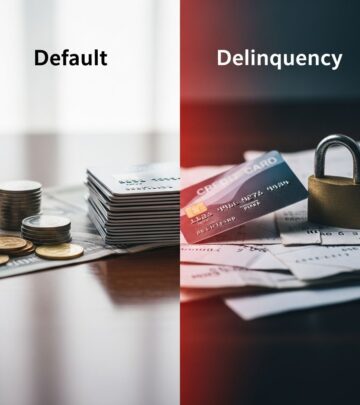
Defining Delinquency and Default
Delinquency begins when you miss a scheduled payment on your student loan, marking the account as late. If unresolved, federal student loans enter default after approximately 270 days—about nine months—without payments or approved pauses like deferment or forbearance. Private loans lack a uniform timeline and depend on lender policies, often accelerating sooner.
Once in default, the entire loan balance may become due immediately, a process called acceleration. Federal loans shift to the Department of Education’s Default Resolution Group for collections, bypassing standard servicers. Ignoring this status invites aggressive recovery actions without court involvement for federal debts.
Immediate Financial Repercussions
Default activates powerful collection tools. For federal loans, the government can garnish up to 15% of your disposable income without a court order, known as wage garnishment. Tax refunds—federal and state—are seized via the Treasury Offset Program, diverting funds directly to your debt.
Collection agencies may add fees up to 25% of the principal and interest, inflating your total owed amount. Social Security benefits can also be withheld, with portions applied to the loan. These measures persist until the debt is resolved, compounding interest and penalties continuously.
| Collection Action | Federal Loans | Private Loans |
|---|---|---|
| Wage Garnishment | Up to 15% without court order | Requires lawsuit and judgment |
| Tax Refund Seizure | Yes, via Treasury Offset | No automatic access |
| Collection Fees | Up to 25% added | Possible via agency or suit |
| Social Security Impact | Portion withheld | Not applicable |
Damage to Credit and Borrowing Power
Default reports to all major credit bureaus, slashing scores by 50-90 points on average as delinquency builds. This mark lingers up to seven years, even post-resolution, complicating approvals for mortgages, auto loans, credit cards, and rentals.
Higher interest rates plague approved credit, and utilities, insurance, or cell plans may demand deposits. Professional licenses—for fields like medicine, engineering, or teaching—can be denied or revoked. Default rivals foreclosures in credit harm severity.
Loss of Federal Benefits and Aid
Default suspends access to deferment, forbearance, and income-driven repayment plans, which tie payments to income and offer forgiveness after 20-25 years. Future federal student aid eligibility vanishes, blocking additional education funding.
Even federal benefits like homeownership assistance become unavailable. Loans accrue interest unabated, widening the debt gap during default.
- No more deferments: Pause options revoked.
- Repayment plans blocked: Including income-based forgiveness tracks.
- Aid ineligibility: Bars new federal loans or grants.
Federal vs. Private Loan Differences
Federal loans wield administrative powers: no statute of limitations, automatic collections, and no need for lawsuits. Private loans rely on contracts, requiring lenders to sue for garnishment or liens, governed by state laws with potential time bars.
Federal defaults transfer to government control post-270 days; private ones prompt immediate agency involvement or litigation. Recovery options differ—federal emphasizes rehabilitation; private may demand settlement or bankruptcy fights.
Long-Term Career and Life Impacts
Beyond finances, defaults hinder job prospects in government or licensed roles. Families suffer indirectly through reduced household security and higher costs for essentials. Credit recovery takes years, with poor scores inflating all borrowing expenses.
Prevention: Act Before Default
Contact your servicer early for options like income-driven plans, deferment, or forbearance to avoid delinquency escalation. The U.S. Department of Education’s Fresh Start Program offers temporary default relief, updating statuses and restoring benefits.
Monitor payments closely; even one missed cycle risks the 270-day countdown.
Recovery Options for Defaulted Loans
Several paths exist to exit default and rebuild.
Loan Rehabilitation
Make nine affordable, on-time payments based on income, removing the default from your credit report and restoring aid eligibility, deferments, and plans. Garnishments cease. Contact your servicer to start; success boosts credit scores.
Loan Consolidation
Combine defaulted loans into a new Direct Consolidation Loan with a fresh servicer. Requires a reasonable payment plan commitment, but the default record may persist up to 10 years.
Fresh Start Initiative
This one-time program updates defaulted loans to current status, halting collections and preserving benefits without immediate payments.
Private Loan Solutions
Negotiate settlements, refinancing (if credit allows), or defend against lawsuits with statutes of limitations.
- Assess your situation via servicers or StudentAid.gov.
- Choose rehab for full restoration.
- Consolidate for quicker servicer switch.
- Enroll in Fresh Start if eligible.
2026 Updates and Programs
As of 2026, federal efforts like Fresh Start continue aiding recovery amid ongoing policy evolutions. Check StudentAid.gov for latest timelines and eligibility, as programs adapt to borrower needs.
Frequently Asked Questions
How long until federal student loans default?
After 270 days of missed payments without deferment or forbearance.
Can default be removed from my credit report?
Yes, via rehabilitation after nine payments; consolidation leaves a record.
Does default affect Social Security?
Yes, portions can be withheld for federal loans.
Are private loans easier to handle in default?
No, they require lawsuits for strong collections, but have state time limits.
What if I ignore default notices?
Collections intensify with fees, garnishment, and offsets until resolved.
Steps to Take Right Now
Don’t delay—log into your account, call your servicer, or visit official sites. Early intervention prevents irreversible damage and opens recovery doors. Proactive management turns potential disaster into manageable debt.
References
- Consequences of Default and Actions to Take — UCCS Financial Aid. Accessed 2026. https://finaid.uccs.edu/types-of-aid/educational-loans/default15
- What happens if I default on a federal student loan? — Consumer Financial Protection Bureau. Accessed 2026. https://www.consumerfinance.gov/ask-cfpb/what-happens-if-i-default-on-a-federal-student-loan-en-663/
- Consequences of default — Des Moines University Financial Aid. Accessed 2026. https://www.dmu.edu/financial-aid/entrance-interview/consequences-of-default/
- Student Loan Default: Consequences & How to Fix It (2026 Guide) — Tate Esq. Accessed 2026. https://www.tateesq.com/learn/student-loan-default
- Student Loan Default Has Serious Financial Consequences — Pew Research. 2020-04-15. https://www.pew.org/en/research-and-analysis/fact-sheets/2020/04/student-loan-default-has-serious-financial-consequences
- Default on Student Loans — FinAid.org. Accessed 2026. https://finaid.org/loans/default/
- Student Loan Default and Collections: FAQs — Federal Student Aid. Accessed 2026. https://studentaid.gov/articles/default/
- Student Loan Delinquency and Default — Federal Student Aid. Accessed 2026. https://studentaid.gov/manage-loans/default
Similar Articles








Read full bio of Sneha Tete