Essential Considerations for Student Loan Borrowers
Navigate student lending with confidence by understanding key factors before committing.

Taking on student debt represents one of the most significant financial decisions young adults and families make during the educational journey. The landscape of student lending has become increasingly complex, with numerous options available through both federal and private sources. Understanding the fundamentals before committing to any loan agreement is essential for long-term financial health and avoiding costly mistakes that can impact your financial future for decades.
Distinguishing Between Federal and Private Loan Options
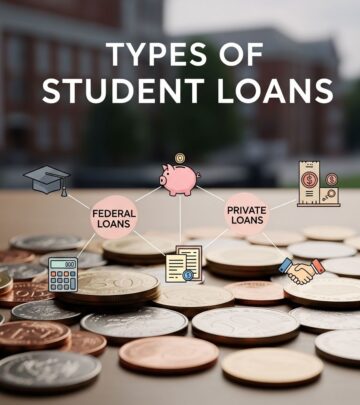
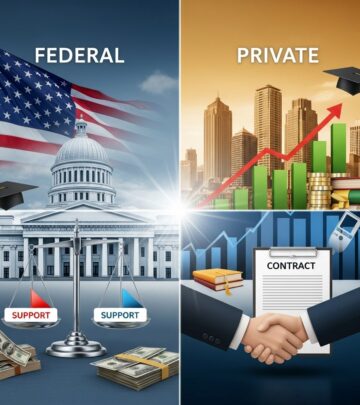
The first critical decision any prospective borrower must make involves choosing between federal and private student loans. These two categories differ substantially in terms of how they operate, their flexibility, and the protections they offer.
Federal student loans are issued and managed by the U.S. Department of Education through various loan servicers. These loans are designed with borrower protections and standardized terms that apply across all institutions. The federal government sets interest rates annually, and for the 2025-2026 academic year, federal loan rates are significantly lower than many private alternatives.
Private student loans, by contrast, are offered by banks, credit unions, and specialized lending companies. These lenders establish their own terms, interest rates, and eligibility requirements. While private loans may occasionally offer lower rates for borrowers with excellent credit, they typically provide fewer protections and less flexibility than their federal counterparts.
Federal loans generally represent the superior choice for most borrowers because they do not require a credit check for most programs and offer more forgiving repayment conditions. Private loans should typically be considered only after federal options have been exhausted.
Federal Loan Categories Currently Available
The federal government currently offers several distinct types of direct loans through the Department of Education:
- Direct Subsidized Loans: Available exclusively to undergraduate students with demonstrated financial need. The government pays accumulated interest while the student remains enrolled in school at least half-time. For the 2025-2026 school year, the interest rate stands at 6.39% fixed.
- Direct Unsubsidized Loans: Accessible to undergraduate, graduate, and professional students regardless of financial need. Unlike subsidized loans, interest accrues from the moment funds are disbursed. Undergraduate borrowers face a 6.39% interest rate, while graduate students encounter a 7.94% rate for 2025-2026.
- Direct PLUS Loans: Designed for graduate students and parents of dependent undergraduates. These loans carry a higher interest rate of 8.94% for 2025-2026 and require a credit check. Parent PLUS loans begin repayment within 60 days of disbursement, while graduate PLUS loans follow standard repayment timelines.
Private Loan Characteristics
Private student loans offer variable terms depending on the lending institution. Interest rates can range significantly based on creditworthiness, with rates typically spanning from 2.85% to 17.99% depending on the borrower’s credit profile and the specific lender. These loans often feature shorter repayment terms (5 to 25 years) compared to federal options and may include origination fees that vary by lender.
Evaluating Borrowing Limits and What You Actually Need
Understanding how much you can borrow and how much you should borrow represents a crucial distinction that many prospective borrowers overlook. Loan limits exist for specific reasons—they’re designed to prevent students from borrowing excessively relative to their future earning potential.
Federal Loan Borrowing Caps
Federal loans impose annual and aggregate (lifetime) limits that vary by borrower type and dependency status:
| Loan Type | First Year | Annual Maximum | Aggregate Limit |
|---|---|---|---|
| Direct Subsidized (Undergraduates) | $3,500 | $5,500 | $23,000 |
| Direct Unsubsidized (Dependent Undergraduates) | $2,000 | $7,500 | $31,000 |
| Direct Unsubsidized (Independent Undergraduates) | $6,000 | $12,500 | $57,500 |
| Graduate/Professional Students | N/A | $20,500 | $138,500 |
These caps exist as guardrails to encourage responsible borrowing. Independent students and graduate students access higher limits because they typically have greater demonstrated need and potentially higher earning capacity after graduation.
Beyond federal limits, private lenders set their own borrowing caps. Some allow borrowing up to the full cost of attendance minus any other financial aid received, potentially enabling much larger loans than federal programs permit.
The Gap Between What You Can Borrow and What You Should Borrow
Just because you qualify to borrow a certain amount does not mean you should. Many graduates find themselves overwhelmed by debt levels that substantially exceed what they anticipated during the borrowing process. Before accepting any loan offer, consider your projected salary upon graduation and calculate whether your anticipated income will comfortably support the repayment obligations.
A practical guideline suggests keeping total undergraduate borrowing below your expected first-year salary after graduation. If you expect to earn $45,000 annually, limiting borrowing to approximately that amount provides a more manageable debt-to-income ratio than maximizing available loan amounts.
Understanding Repayment Mechanisms and Long-Term Obligations
The repayment phase often catches borrowers off guard because the obligations can extend far longer than the actual time spent in school. Comprehending how repayment functions and what options exist can substantially impact your financial trajectory after graduation.
Standard Repayment Considerations
Most federal loans offer repayment terms spanning 10 to 30 years depending on the specific loan type and repayment plan selected. For perspective, a student who borrows extensively as an undergraduate might spend 20-30 years repaying those obligations, meaning student loan payments could consume a significant portion of household budgets well into middle age.
Federal loans include grace periods before repayment obligations commence. Typically, borrowers receive a six-month grace period after graduation, withdrawal, or dropping below half-time enrollment before payments become due. Direct PLUS loans taken by parents operate differently, with repayment beginning within 60 days of final loan disbursement.
Income-Driven Repayment Plans
Federal loans provide access to income-driven repayment plans that calculate monthly obligations based on discretionary income rather than the full loan amount. These plans can prove invaluable for borrowers entering lower-paying professions or facing financial hardship early in their careers. However, extending the repayment timeline through income-driven plans results in substantially more interest paid over the life of the loan.
Private Loan Repayment Flexibility
Private lenders offer varying repayment terms and flexibility. Some private loans provide deferment or forbearance options, though these vary significantly by lender and may not be as generous as federal programs. Borrowers should carefully review specific lender policies before committing to private loans, as options to pause payments during financial hardship may be limited or unavailable.
Examining Fees, Interest Accumulation, and Total Cost of Borrowing
The sticker price of a student loan—the amount you initially borrow—represents only part of the actual cost you’ll pay. Origination fees and interest accumulation can substantially increase what you ultimately repay to lenders.
Origination Fees and Other Upfront Costs
Federal loans charge origination fees that are deducted from the loan proceeds before funds reach your account. For 2025-2026, Direct Subsidized and Unsubsidized Loans carry a 1.057% origination fee, while Direct PLUS Loans charge 4.228%. While these percentages might seem modest, they add meaningfully to total borrowing costs.
For example, a $10,000 Direct PLUS loan effectively costs $423 in origination fees alone, reducing the amount available for educational expenses to approximately $9,577. Private lenders’ origination fees vary considerably; some charge no fees while others assess substantial percentages depending on creditworthiness and loan terms.
Interest Rate Implications
Fixed interest rates on federal loans remain constant throughout the repayment period, providing predictability. Federal rates for 2025-2026 range from 6.39% for subsidized and standard unsubsidized undergraduate loans to 8.94% for PLUS loans.
Private loan interest rates vary dramatically based on credit scores and can feature either fixed or variable rates. A borrower with excellent credit might secure private loans at rates lower than federal options, while those with fair or limited credit histories might face rates exceeding 15%. Variable-rate private loans pose additional risks, as rates can increase significantly after initial fixed periods expire.
Interest Subsidy Differences
Direct Subsidized Loans offer a crucial advantage: the government pays all accrued interest while you remain enrolled at least half-time. For Direct Unsubsidized and PLUS loans, interest begins accruing immediately even if you’re not making payments during school. This difference can amount to thousands of dollars over the course of a four-year degree program.
Exploring Forgiveness Programs and Borrower Protections
Federal loans provide numerous protections and potential relief options that simply don’t exist with private lenders. These programs can prove transformative for borrowers experiencing financial hardship or working in public service fields.
Federal Loan Forgiveness Opportunities
Depending on career path and circumstances, borrowers may qualify for loan forgiveness programs. Public Service Loan Forgiveness programs benefit government and nonprofit employees who make qualifying payments over a specified period. Income-driven repayment plans also include forgiveness provisions—after 20-25 years of qualifying payments, any remaining balance can be forgiven.
These options simply don’t exist with private loans, making them substantially riskier for borrowers uncertain about long-term financial circumstances.
Deferment and Forbearance Options
Federal loans offer multiple deferment and forbearance options allowing borrowers to pause payments during financial hardship, unemployment, or return to school. Federal programs typically allow forbearance periods extending up to three years total. Private lenders’ options vary significantly, and some may not provide these protections at all.
Disability and Death Discharge
Federal loans include provisions for discharge in cases of total permanent disability or borrower death. These protections prevent deceased borrowers’ families from inheriting student debt obligations. Private loans rarely include comparable protections, potentially burdening families with inherited debt.
Key Takeaways for Prospective Borrowers
- Prioritize federal loan options before considering private alternatives, as federal programs offer superior protections and flexibility
- Understand the distinction between available borrowing limits and responsible borrowing amounts aligned with anticipated income
- Calculate total repayment costs including origination fees and interest before committing to any loan
- Investigate repayment plan options and their long-term implications for monthly budgets and total interest paid
- Recognize that federal loans provide forgiveness pathways, deferment options, and protections unavailable through private lending
- Request complete disclosure of all terms, fees, and conditions before signing any loan agreement
- Consider alternative funding sources including grants, scholarships, and work-study programs that don’t require repayment
Frequently Asked Questions
What’s the difference between subsidized and unsubsidized federal loans?
Subsidized loans limit eligibility to undergraduates with demonstrated financial need, and the government pays interest while you’re enrolled. Unsubsidized loans are available regardless of financial need, but interest accrues from disbursement regardless of enrollment status.
Can I refinance student loans to lower my interest rate?
Federal loan refinancing into private loans is possible but generally inadvisable, as you’d lose federal protections. Refinancing federal loans into private instruments removes eligibility for forgiveness programs, deferment options, and income-driven repayment plans.
What happens if I can’t make student loan payments?
Federal loans offer forbearance and deferment options, potentially allowing payment pauses up to three years total. Private lenders’ options vary significantly, so review your specific loan agreement.
Are parent PLUS loans a good option for funding education?
Parent PLUS loans carry higher interest rates (8.94% for 2025-2026) and require immediate repayment (beginning 60 days after final disbursement). Parents should exhaust other options before relying on PLUS loans.
References
- Types of Student Loans: Federal vs. Private Loans Explained — Experian. 2025. https://www.experian.com/blogs/ask-experian/what-are-the-different-types-of-student-loans/
- Types Of Student Loans & How To Choose One — Bankrate. 2025. https://www.bankrate.com/loans/student-loans/types-of-student-loans/
- Types of Federal Loans — Student Loan Borrower Assistance. https://studentloanborrowerassistance.org/for-borrowers/basics-of-student-loans/understanding-your-student-loan-situation/types-of-federal-loans/
- Loan Comparison — Fashion Institute of Technology Financial Aid Office. 2025. https://www.fitnyc.edu/admissions/costs/financial-aid/educational-loans/loan-comparison.php
Similar Articles








Read full bio of Sneha Tete