Student Cards vs. Starter Cards: Key Choices
Discover how student credit cards differ from starter options to build credit effectively as a young adult or beginner.

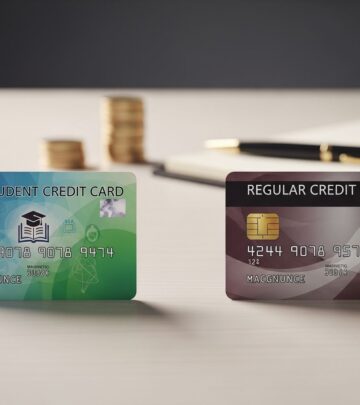
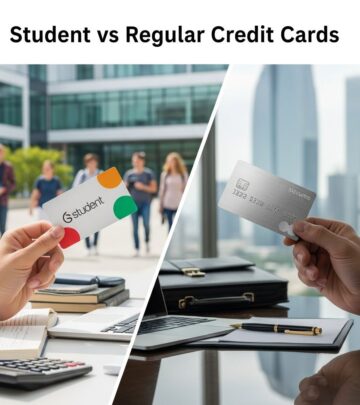
Student credit cards and starter credit cards both serve as entry points into credit for those new to financial products, but they cater to slightly different needs. Student cards target enrolled college attendees with tailored perks, while starter cards offer broader access for anyone building from scratch.
Defining Entry-Level Credit Options
Entry-level credit products help individuals establish a positive payment history, which forms 35% of FICO scores. Student credit cards are unsecured products designed for undergraduates, often featuring rewards aligned with campus life like dining or streaming. Starter credit cards, sometimes called beginner or fair-credit cards, extend eligibility beyond students to recent graduates or those with thin files, providing similar low-barrier access without enrollment proof.
Both types report activity to Equifax, Experian, and TransUnion, enabling score growth through on-time payments and low utilization under 30%.
Core Features and Limitations
Student cards typically start with credit limits of $500 or less, reflecting limited income from part-time jobs or aid. Starter cards mirror this conservatism but may scale higher for applicants with some history.
- Lower limits reduce overspending risk but may cramp larger purchases.
- No or low annual fees keep costs minimal for new users.
- Basic rewards like 1-5% cash back on everyday categories, less lavish than premium cards.
Introductory 0% APR periods on some student cards help finance textbooks or laptops interest-free initially.
Eligibility Breakdown
Qualifying for these cards hinges on unique criteria. Student cards demand proof of enrollment in a qualifying institution, such as tuition statements or acceptance letters for upcoming terms. Under-21 applicants must show independent income from work, scholarships, or family support.
Starter cards skip enrollment verification, appealing to non-students with fair credit (580-669 FICO) or no score. They prioritize income stability over academic status.
| Requirement | Student Cards | Starter Cards |
|---|---|---|
| Enrollment Proof | Required | Not Required |
| Credit Score Needed | None to Fair | Fair or Thin File |
| Income Verification | Flexible (Aid OK) | Standard Job/Aid |
| Age Minimum | 18 (Co-signer <21) | 18 |
| Security Deposit | No | No (Unsecured) |
This table highlights how student cards tie access to academics, while starters broaden the net.
Benefits of Starting with a Student Card
For enrolled students, these cards shine by matching lifestyle needs. Categories like groceries, gas, and entertainment yield higher returns, stretching tight budgets. No-credit applicants often qualify, bypassing the chicken-and-egg problem of building history.
Responsible use—paying in full monthly—boosts scores rapidly. Many issuers provide free score tracking tools, fostering education.
Advantages of Opting for Starter Cards
Starter cards excel in flexibility, available post-graduation or for non-traditional students. Examples include cards with gradual limit increases based on usage. They suit those with minor dings, offering redemption paths without student ID.
Perks may include purchase protection or extended warranties, absent in purest student variants.
Potential Drawbacks to Watch
Student cards expire upon graduation; issuers may upgrade automatically or require new applications. Limited rewards disappoint high spenders, and bad credit hinders approval despite leniency.
Starters carry higher APRs (20-30%) due to risk profiles, punishing carryover balances. Low limits persist until history strengthens.
Financial Habits for Success
Success demands discipline. Set autopay for full balances to avoid interest. Track via apps to stay under 30% utilization.
- Review statements monthly for errors.
- Use for recurring bills like subscriptions.
- Avoid cash advances with steep fees.
- Request limit hikes after 6-12 months of good behavior.
These steps transform entry cards into score-building machines.
Comparing Costs and Rewards
Most charge no annual fees, but late fees ($30-40) underscore timeliness. Rewards: Student cards average 1.5-3% on select categories; starters offer flat 1-2%.
| Aspect | Student Average | Starter Average |
|---|---|---|
| APR | 18-25% | 20-29% |
| Credit Limit | $500-$2,000 | $300-$1,500 |
| Rewards Rate | 1-5% Categories | 1-2% Flat |
| Annual Fee | $0 | $0-$39 |
Data drawn from issuer trends.
When to Choose Each Type
Select student cards if actively studying—they align perks and ease approval. Choose starters for graduation proximity, employment focus, or ineligibility as non-students.
Hybrid needs? Some starters mimic student rewards without enrollment strings.
Beyond Cards: Alternative Paths
Not ready? Credit-builder loans or authorized user status offer gentler intros. Secured cards require deposits but guarantee approval for deeper novices.
Long-Term Credit Strategy
After 12 months, upgrade to rewards-heavy cards as scores hit good territory (670+). Diversify with 2-3 accounts for richer history.
Frequently Asked Questions
Can student cards help build credit?
Yes, on-time payments and low balances positively impact scores, as they factor 65% into models.
What happens after graduation?
Accounts often convert to standard versions; confirm with issuer to retain history.
Do I need good credit for these?
No—many approve thin or no files, unlike traditional cards needing 670+.
Are rewards worth it?
For modest spenders, yes—offset fees and teach habits, but pay off fully.
Can non-students get student cards?
Rarely; enrollment proof is standard, pushing them to starters.
References
References
- Student Credit Card vs. Regular: What’s the Difference — Experian. 2023-10-15. https://www.experian.com/blogs/ask-experian/how-is-a-student-credit-card-different-from-a-regular-credit-card/
- Student Cards Vs. Secured Cards — Bankrate. 2024-05-20. https://www.bankrate.com/credit-cards/building-credit/student-vs-secured-credit-cards/
- How to Choose the Best First Credit Card — Sound Credit Union. 2024-02-10. https://www.soundcu.com/blog/how-to-choose-a-good-first-credit-card/
- 7 Options for Your First Credit Card — NerdWallet. 2024-08-05. https://www.nerdwallet.com/credit-cards/learn/options-first-credit-card
- A Guide to Choosing the Best First Credit Card — Navy Federal Credit Union. 2023-11-12. https://www.navyfederal.org/makingcents/credit-debt/best-first-credit-card.html
Similar Articles








Read full bio of Sneha Tete