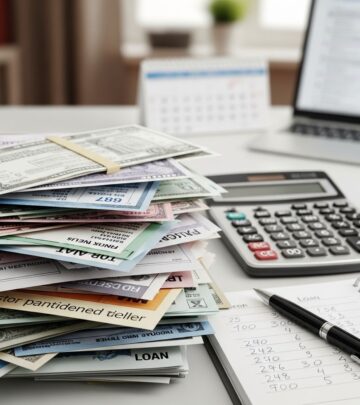
Struggling with Bills? Smart Steps Forward
Discover practical strategies to prioritize payments, negotiate relief, and rebuild stability when essential bills become overwhelming.

When income drops unexpectedly due to job loss, medical issues, or economic shifts, covering essential bills can feel impossible. Prioritizing payments based on immediate risks—like shelter and utilities—helps safeguard your well-being while opening doors to relief options. This guide outlines actionable strategies to navigate these challenges, drawn from proven financial management approaches.
Assess Your Financial Landscape First
Begin by compiling a complete inventory of your income sources and all outgoing obligations. Track every dollar in and out to reveal gaps and opportunities for adjustment. Tools like simple spreadsheets or free budgeting apps can organize this data effectively.
- List all monthly income, including wages, benefits, or side gigs.
- Document bills with amounts, due dates, and potential consequences of delay, such as late fees or service cutoffs.
- Calculate surplus or deficit to guide your action plan.
This snapshot prevents oversights and informs which payments demand urgency. For instance, job-related costs like commuting fuel or work uniforms preserve earning potential, making them non-negotiable.
Rank Obligations by Risk and Necessity
Not all bills carry equal weight. Focus on those tied to basic survival and legal protections first. Housing secures shelter, utilities maintain livable conditions, and transportation supports employment continuity.
| Priority Level | Bill Type | Why It Matters | Typical Consequences of Delay |
|---|---|---|---|
| 1. Highest | Housing (rent/mortgage) | Prevents eviction or foreclosure | Legal action, credit damage |
| 2. High | Utilities (electricity, water, gas) | Essential for health and daily life | Service disconnection after notice |
| 3. Medium-High | Transportation (car payment, insurance) | Supports job access | Repossession, coverage lapse |
| 4. Medium | Insurance premiums (health, home) | Avoids gaps in protection | Policy cancellation, higher future costs |
| 5. Lower | Credit cards, unsecured loans | Flexible terms often available | Interest accrual, collections |
This hierarchy aligns with expert recommendations, emphasizing secured debts and essentials over high-interest consumer obligations. Rotate payments if cash is critically low, paying one high-priority bill fully each cycle to avert the worst outcomes.
Reach Out to Service Providers Proactively
Delays in communication can escalate problems. Contact creditors and utility companies at the first sign of trouble, ideally before due dates pass. Explain your circumstances honestly, provide income projections, and inquire about accommodations.
- Utilities: Request budget billing, extensions, or installment agreements to avoid shutoffs. Many offer hardship programs.
- Housing: Landlords or lenders may defer payments, reduce rent temporarily, or restructure terms during crises.
- Loans/Cards: Ask for lower rates, waived fees, or temporary forbearance. Prepared details on your situation increase success odds.
Early dialogue often yields customized plans, preserving credit health better than missed payments. Document all interactions, including names, dates, and agreed terms.
Cut Expenses Without Sacrificing Essentials
Trimming non-critical spending creates breathing room. Review discretionary categories first, then optimize fixed costs through smarter choices.
- Reduce dining out and subscriptions; switch to free alternatives or family sharing.
- Shop sales, use coupons, and opt for store brands on groceries and supplies.
- Refinance high-rate debts or bundle insurance for discounts.
- Adjust thermostats, unplug devices, and seek energy assistance to lower utility bills.
Align bill due dates with paydays where possible—many providers allow this flexibility. For biweekly earners, spread large payments across checks via savings transfers. These tweaks compound, freeing funds for priorities.
Leverage Government and Community Support
Public programs bridge gaps during hardship. Eligibility varies by location and situation, but options abound for essentials.
- SNAP/FOOD stamps: Supplements grocery budgets for low-income households.
- LIHEAP: Aids with heating/cooling costs; apply via state agencies.
- Local aid: Food pantries, rental assistance, and utility funds through nonprofits or churches.
- Unemployment/Stimulus: File promptly for benefits; use for bills strategically.
Search state-specific resources or dial 211 for referrals. These supports prevent deeper debt while you stabilize.
Rebuild Through Structured Budgeting
Once acute pressures ease, formalize a sustainable budget. Categorize into needs (60-70% of income), wants (20-30%), and savings/debt (10-20%). Track weekly to enforce discipline.
Target high-interest debts via the avalanche method: minimums on all, extras to priciest first. This minimizes long-term costs. Build a small emergency fund—$1,000 initially—to buffer future shocks.
Monitor Credit and Long-Term Recovery
Missed payments impact scores, but timely actions mitigate harm. On-time payments post-recovery rebuild FICO rapidly. Dispute errors on reports and consider secured cards for positive history.
Avoid new debt; focus on income growth through upskilling or gig work. Financial counseling from nonprofits like NFCC provides free guidance.
Frequently Asked Questions
What if I miss a utility payment?
Providers must give notice before disconnection. Call immediately for plans; federal rules protect against shutoffs during disputes.
Can I negotiate rent during hardship?
Yes, many landlords prefer partial payments over vacancies. Offer a plan and get agreements in writing.
How do I prioritize if paid biweekly?
Time large bills post-paycheck; use rotation for multiples in one period.
Will government aid affect my credit?
No, assistance programs don’t report usage and help prevent delinquencies.
When should I seek professional debt help?
If overwhelmed after basics, contact accredited counselors before collections escalate.
Key Takeaways for Lasting Stability
Financial crunches test resilience, but systematic steps restore control. Prioritize shelter and services, negotiate relentlessly, slash waste, tap aid, and budget rigorously. Consistency turns survival into strength.
References
- Paying Bills During a Financial Crisis — Orange County’s Credit Union. 2020. https://www.orangecountyscu.org/stories/paying-bills-during-a-financial-crisis/
- How to Prioritize Your Bills in a Financial Crunch — Money.com. N/A. https://money.com/which-bills-to-pay-in-a-crunch/
- Behind on bills: Three steps to help you make tough choices — Consumer Financial Protection Bureau. N/A. https://www.consumerfinance.gov/about-us/blog/behind-bills-three-steps-help-you-make-tough-choices-tight-moments/
- Which bills should I pay first in a financial crisis? — Michigan State University Extension. N/A. https://www.canr.msu.edu/news/which-bills-should-i-pay-first-in-a-financial-crisis
- How to Catch Up When You’ve Fallen Behind on Paying Your Bills — Equifax. N/A. https://www.equifax.com/personal/education/debt-management/articles/-/learn/pay-bills-to-catch-up-when-behind/
- Simplify monthly bills: 8 tips to reduce bill-paying stress — Truist Bank. N/A. https://www.truist.com/money-mindset/principles/budgeting-by-values/reduce-bill-paying-stress
Similar Articles








Read full bio of medha deb