Structural Unemployment: Definition, Causes & Solutions
Understanding structural unemployment: skill mismatches, economic shifts, and long-term labor market challenges.
What is Structural Unemployment?
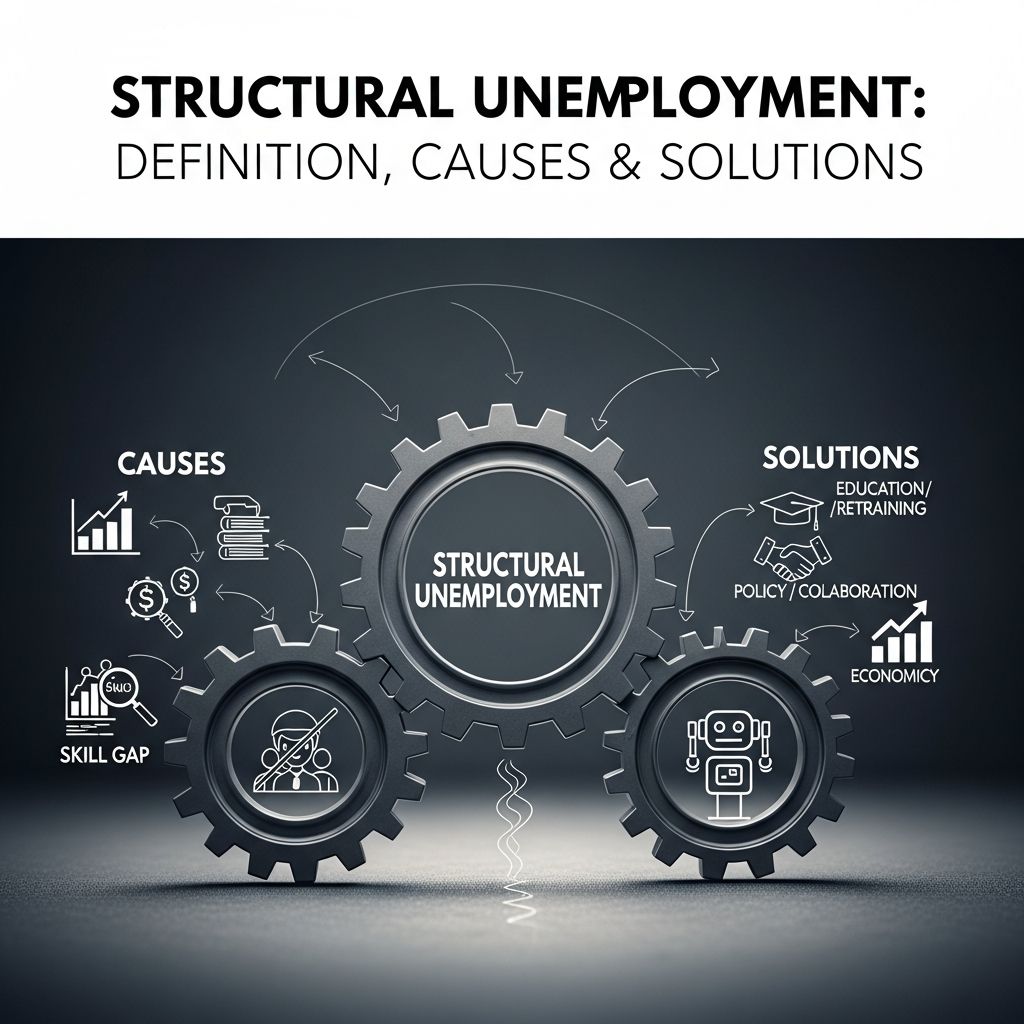
Structural unemployment represents a longer-lasting form of unemployment caused by fundamental shifts in an economy. Unlike temporary job transitions, structural unemployment persists because of deep, systemic changes in how the economy operates. The defining characteristic of structural unemployment is that although jobs are available in the economy, there exists a serious mismatch between what companies need and what workers can offer.
This type of unemployment is involuntary in nature, meaning workers lose their jobs through no fault of their own. Workers facing structural unemployment must develop new skills or relocate to find employment, as their existing qualifications no longer match available job opportunities. The challenge is exacerbated by external factors such as technological advancement, increased competition, and shifts in government policy.
Key Characteristics of Structural Unemployment
Several distinguishing features set structural unemployment apart from other unemployment types:
Duration and Persistence: Structural unemployment typically resolves over the medium term, usually taking one to two years or longer. This represents a significant difference from frictional unemployment, which may resolve within weeks. The exact timeframe depends on multiple factors including the worker’s age, willingness to learn new skills, complexity of required training, and availability of affordable and efficient education programs.
Skill Mismatch: The root cause of structural unemployment is fundamentally a skills mismatch. While the economy as a whole remains functional with sufficient jobs available, there is an unequal distribution of labor and opportunity. Some areas have abundant labor but few jobs, while other sectors have plenty of job openings but insufficient workers with the required skills.
Involuntary Nature: Unlike frictional unemployment where workers voluntarily leave positions, structural unemployment is involuntary. Workers are displaced through job loss, not by choice, making their situation particularly challenging. Without the financial resources to sustain themselves during the transition period, these workers often depend on government welfare programs, which frequently provide inadequate support.
Primary Causes of Structural Unemployment
Structural unemployment emerges from various economic and external forces that fundamentally reshape the labor market:
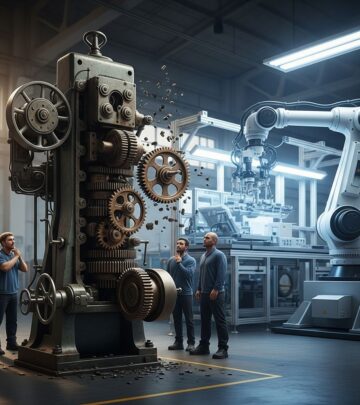
Technological Advancement: Technology represents one of the most significant drivers of structural unemployment. When new technologies are introduced, existing jobs become obsolete as automated systems replace human workers. For example, the rise of digital photography eliminated demand for film processing jobs, and automation in manufacturing has reduced demand for assembly line workers. Additionally, new technologies can substantially increase productivity, allowing companies to accomplish the same output with fewer employees.
Industry Shifts and Economic Restructuring: As economies evolve, entire industries transform or disappear. The decline of traditional manufacturing in developed economies and the rise of service and technology sectors exemplifies this shift. Workers trained in declining industries find their skills no longer valued, creating long-term unemployment for those unable to transition to growth sectors.
Globalization and Competition: Increased global competition forces companies to relocate operations to lower-cost regions or adopt more efficient business practices. This restructuring can render certain job categories obsolete or reduce demand for specific skills. International trade patterns shift job availability across geographic regions and industries.
Geographic Mismatch: Jobs and workers may be geographically separated, creating structural unemployment in specific regions. A worker trained for jobs available only in distant cities may be unable to relocate due to financial constraints or family obligations, leading to prolonged unemployment.
Government Policy Changes: Regulatory changes, tax policy modifications, and shifts in government spending can create structural unemployment. For instance, stricter environmental regulations might eliminate certain manufacturing jobs, or changes in trade policy could reduce demand for specific industries.
Structural Unemployment Versus Other Unemployment Types
Understanding the distinctions between unemployment categories is essential for proper economic analysis and policy development:
Cyclical Unemployment: Cyclical unemployment occurs during economic downturns when there is insufficient demand for goods and services. Unlike structural unemployment, cyclical unemployment is typically short-term and resolves as the economy recovers. However, cyclical unemployment can become structural if businesses permanently restructure operations during downturns, meaning lost jobs never return when economic conditions improve.
Frictional Unemployment: Frictional unemployment results from temporary transitions within the labor market, such as when workers voluntarily leave positions to seek better opportunities. This type is typically short-term and usually ends with workers on improved career paths. Frictional unemployment is a natural part of a dynamic labor market.
Seasonal Unemployment: Seasonal unemployment is temporary and results from the cyclical nature of certain industries. Construction workers experience seasonal unemployment during winter months, while retail workers may face reduced hours after holiday seasons.
Economic Impact of Structural Unemployment
Structural unemployment poses significant challenges to both individual workers and the broader economy. The long-lasting nature of this unemployment increases the natural rate of unemployment in the economy, even during periods of economic growth. This elevated baseline unemployment rate can complicate monetary policy decisions and economic forecasting.
For affected workers, prolonged structural unemployment creates severe hardship. Extended joblessness depletes savings, increases debt, and can lead to psychological stress and health problems. Workers may need to accept positions below their previous skill levels or earning potential, resulting in permanent income losses. Geographic relocation requirements create additional burdens on families and communities.
At the societal level, structural unemployment represents an inefficient allocation of human capital. Talented workers remain underutilized while skills gaps persist in growth sectors. This mismatch reduces overall economic productivity and growth potential.
Government Solutions and Policy Responses
Addressing structural unemployment requires sustained government intervention and comprehensive policy approaches:
Education and Training Programs: The government provides educational and vocational training to increase skills and employability in new industries. These programs help workers transition from declining sectors to growing ones. Subsidized education makes retraining accessible to displaced workers regardless of financial circumstances. Effective training programs focus on in-demand skills in emerging industries and provide job placement assistance upon completion.
Relocation Assistance: Government subsidies facilitate the relocation of unemployed workers from high-unemployment regions to areas with greater job opportunities. These programs may cover moving costs, housing assistance, and other transition expenses. Relocation assistance helps match workers with available jobs even when geographic distance initially separated them.
Business Incentives: Governments offer subsidies, tax incentives, or other inducements to encourage companies to create job opportunities in depressed regions. These measures attempt to bring employment to workers rather than requiring workers to relocate. Regional development programs aim to diversify local economies and attract new industries.
Labor Market Information Systems: Providing comprehensive information about job markets, skills requirements, and training opportunities helps workers make informed career decisions. Modern labor market information systems use data analytics to identify emerging skills gaps and inform educational priorities.
Social Safety Nets: While not solving structural unemployment directly, welfare programs and unemployment insurance provide financial support to displaced workers. These programs enable workers to sustain themselves while acquiring new skills or searching for appropriate employment.
Real-World Examples of Structural Unemployment
Structural unemployment has affected workers across numerous industries and regions. The decline of coal mining in Appalachia left thousands of workers without alternative employment opportunities, as the region lacked industries utilizing similar skills. Automotive manufacturing workers faced job losses as production shifted to lower-cost countries and robotics replaced assembly line positions. The transition from print to digital media eliminated many newspaper and printing jobs. Manufacturing-dependent communities experienced structural unemployment as factories relocated or automated operations.
Challenges in Resolving Structural Unemployment
Despite policy efforts, structural unemployment remains difficult to resolve. Training programs may not align with actual labor market demands or take too long to complete. Workers may resist relocating due to family ties, housing costs, or cultural attachments to their communities. Rapid technological change can outpace educational system responses, creating continuous skills gaps. Income inequality and insufficient investment in human capital perpetuate structural unemployment across generations.
Frequently Asked Questions
Q: How long does structural unemployment typically last?
A: Structural unemployment usually takes one to two years or slightly longer to resolve, depending on factors including worker age, willingness to learn new skills, training complexity, and availability of affordable education programs. However, some individuals may experience extended structural unemployment lasting years or even decades.
Q: Is structural unemployment worse than cyclical unemployment?
A: Yes, structural unemployment generally presents greater challenges than cyclical unemployment because it persists during economic growth and requires fundamental economic or individual changes to resolve. Cyclical unemployment typically resolves as the economy recovers.
Q: Can structural unemployment occur during economic growth?
A: Yes, structural unemployment can and does occur during periods of economic growth. While the overall economy expands, fundamental shifts in which industries are growing create unemployment for workers in declining sectors, even as jobs are created elsewhere in the economy.
Q: What role does technology play in structural unemployment?
A: Technology is a primary driver of structural unemployment. As new technologies are adopted, jobs become obsolete or require different skills. Automation increases productivity, allowing companies to reduce workforce size, while simultaneously creating demand for workers skilled in operating and maintaining new technologies.
Q: How can workers address structural unemployment?
A: Workers can address structural unemployment by acquiring new skills through education and training programs, relocating to areas with better job opportunities, or finding ways to apply existing skills in different industries. Government assistance programs often help facilitate these transitions.
Q: Why is structural unemployment considered involuntary?
A: Structural unemployment is involuntary because workers lose jobs due to economic forces beyond their control—not due to poor performance or voluntary departure. This involuntary displacement makes the situation particularly challenging for affected workers.
Q: What is the difference between structural unemployment and skills mismatch?
A: Skills mismatch is the root cause of structural unemployment. Structural unemployment describes the overall condition of prolonged joblessness due to economic shifts, while skills mismatch specifically refers to the disconnect between worker abilities and employer requirements.
Conclusion
Structural unemployment represents a complex economic challenge requiring comprehensive, sustained policy responses. Unlike temporary unemployment forms, structural unemployment persists through economic cycles and demands fundamental changes in either worker skills, geographic distribution, or industry composition. Understanding its causes—technological advancement, industry shifts, globalization, and policy changes—is essential for developing effective solutions.
Government programs focusing on education, training, relocation assistance, and business incentives offer pathways to reduce structural unemployment, though implementation challenges remain. As economies continue evolving rapidly, particularly with advancing automation and artificial intelligence, structural unemployment will likely become an increasingly important policy concern. Policymakers must balance the need for economic efficiency and innovation with support for workers displaced by fundamental economic changes, ensuring that economic progress benefits broad segments of society rather than concentrating gains among those with adaptable skills.
References
- Introduction to U.S. Economy: Unemployment — U.S. Congress, Congressional Research Service. 2024. https://www.congress.gov/crs-product/IF10443
- Structural Unemployment: Definition, Causes, How It Works — Corporate Finance Institute. 2024. https://corporatefinanceinstitute.com/resources/economics/structural-unemployment/
- What is Structural Unemployment? — Robinhood. 2024. https://robinhood.com/us/en/learn/articles/3blCjioxoAC1Ux3tiKWg7o/what-is-structural-unemployment/
- Structural Unemployment – Definition, Causes and Cure — Management Study Guide. 2025. https://www.managementstudyguide.com/structural-unemployment.htm
- Structural Unemployment – Meegle — Meegle Economics Topics. 2024. https://www.meegle.com/en_us/topics/economic/structural-unemployment
Similar Articles








Read full bio of Sneha Tete