Stress-Relieving Hobbies To Calm Your Mind And Life
Discover simple, science-backed stress-relieving hobbies that help you relax, reset, and protect your mental and physical health.
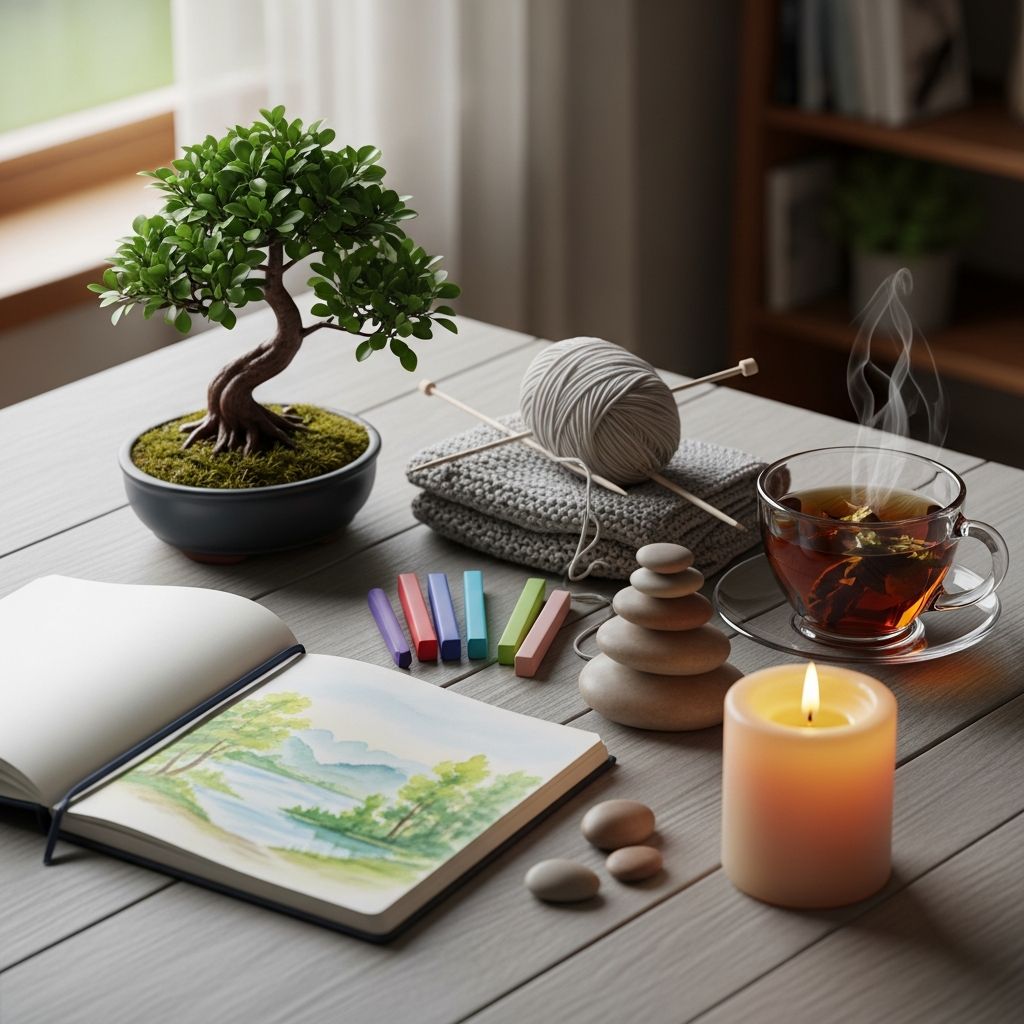
Stress has become a normal part of modern life, but constant pressure is not something you have to simply accept. Research shows that engaging in enjoyable leisure activities can reduce stress hormones, improve mood, and even support physical health, including blood pressure and heart health. Thoughtfully chosen hobbies can be a powerful, low-cost way to unwind, recharge, and take care of your mental well-being.
This guide walks through stress-relieving hobbies you can start even with a busy schedule, why they work, and how to choose the ones that fit your personality, lifestyle, and goals.
Why Stress-Relieving Hobbies Matter
Hobbies are not just “extras” for people with lots of free time. They are a form of active self-care that can protect your mental and physical health. Studies have found that people who regularly engage in enjoyable leisure activities report lower stress, better mood, and improved overall well-being.
How Hobbies Help Reduce Stress
When you immerse yourself in an activity you enjoy, your body and brain shift away from constant worry and pressure. Evidence shows that creative or enjoyable activities can lower cortisol (your primary stress hormone) and promote relaxation.
Key benefits include:
- Lower stress hormone levels: Participating in relaxing or creative activities can reduce cortisol levels, which is linked with feeling calmer and more at ease.
- Improved mood: Enjoyable hobbies can trigger the release of endorphins and other feel-good chemicals in the brain, boosting mood and reducing anxiety.
- Better mental health: Regular leisure activities are associated with lower symptoms of depression and anxiety and higher life satisfaction.
- Physical health support: Active hobbies can improve heart rate, blood pressure, and overall cardiovascular health, while soothing hobbies can support better sleep and recovery.
Signs You Need a Stress-Relieving Hobby
It may be time to intentionally add a calming hobby if you notice:
- Constant worry or racing thoughts
- Trouble relaxing, even when you have “free time”
- Difficulty sleeping or staying asleep
- Feeling emotionally drained or “snappy” with others
- Headaches, muscle tension, or stomach issues when stressed
- Feeling like your whole identity is work or responsibilities
While hobbies are not a replacement for professional help, they can be a very helpful part of a broader stress management plan.
How To Choose The Right Stress-Relieving Hobby For You
The best stress-relieving hobby is the one you will actually do consistently. Your choice should fit your energy level, interests, budget, and season of life.
| Goal | Better-Fit Hobbies | Why They Help |
|---|---|---|
| Relax and unwind physically | Yoga, walking, gentle stretching | Combines movement and mindfulness to release tension |
| Calm racing thoughts | Journaling, coloring, knitting | Repetitive or reflective tasks help focus your mind |
| Boost mood and energy | Dancing, group sports, music | Raises endorphins and adds a social or playful element |
| Feel more creative | Drawing, painting, photography | Expressing yourself can reduce stress and increase joy |
Questions To Ask Yourself
To narrow down your options, ask:
- Do I want to move my body or rest it? If you sit all day, a movement hobby may feel good. If you’re on your feet all day, a quiet hobby may be better.
- Do I feel energized by people or drained? Extroverts may enjoy group classes or team activities. Introverts may prefer solo or low-social hobbies.
- What did I enjoy as a child? Childhood interests (drawing, music, reading, puzzles) often still bring joy and comfort.
- How much time and money do I realistically have? Choose something you can start simply, without pressure or large expenses.
Everyday Stress-Relieving Hobbies To Try
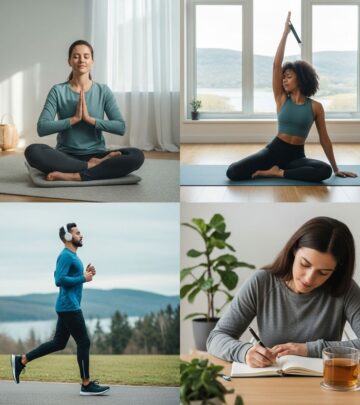
You do not need a lot of time, money, or talent to benefit from hobbies. Below are categories of hobbies commonly used to relieve stress, plus ideas to get started.
Creative Hobbies That Soothe Your Mind
Creative hobbies can be especially powerful for stress relief. Research suggests that creative activities like painting or writing can decrease stress and anxiety and increase positive emotions.
Drawing, Painting, and Adult Coloring
Visual art encourages you to focus on shapes, colors, and textures instead of worries. Even simple coloring books can create a meditative, calming effect.
- Start with an inexpensive sketchbook or adult coloring book.
- Use pencils, markers, or paints you already have; no need for fancy tools at first.
- Set a timer for 10–15 minutes and give yourself permission to draw or color without judging the result.
Journaling and Creative Writing
Writing helps you process emotions, organize your thoughts, and gain clarity. It can be expressive (getting everything out on paper) or structured (using prompts, gratitude lists, or reflection questions).
- Try brain-dump journaling when you feel overwhelmed—simply write whatever comes to mind.
- Use prompts like “What’s stressing me out right now?” or “What went well today?”
- Keep your notebook visible so it becomes an easy go-to habit.
Crafting, Knitting, and DIY Projects
Repetitive, hands-on activities can be extremely grounding and calming. They often create a sense of progress and accomplishment, which supports self-esteem and mood.
- Learn basic knitting or crochet stitches using a beginner kit or online tutorials.
- Try simple DIY home decor, like painting jars, upcycling furniture, or making candles.
- Focus on the process, not perfection—treat each project as practice.
Relaxing Hobbies In Nature
Spending time outdoors has been linked with reduced stress, better mood, and improved mental health. Gentle outdoor activities combine fresh air, movement, and a break from screens.
Gardening and Plant Care
Gardening connects you with nature’s slower pace. You don’t need a large yard—balcony plants or a few indoor pots can still be soothing.
- Start with a few low-maintenance herbs or succulents.
- Use watering and pruning as mini-mindfulness sessions: notice smells, textures, and colors.
- Track growth with photos to remind yourself that progress can be small and steady.
Walking and Gentle Outdoor Exercise
Even light activity can help relieve stress, improve sleep, and support cardiovascular health.
- Create a short daily walking route and treat it as your “reset ritual.”
- Leave your phone on silent or use it only to play calming music or a podcast.
- Notice the environment: sounds, temperature, sky, and your breathing.
Social and Playful Hobbies
Social connection is a major buffer against stress. Hobbies that involve others can reduce loneliness, provide emotional support, and increase happiness.
Board Games and Card Games
Games offer mental stimulation and fun without the intensity of work or serious responsibilities. Research has found that board-game style activities can reduce stress and anxiety while promoting social interaction.
- Schedule a casual game night with friends or family.
- Choose cooperative (team-based) games if competition feels stressful.
- Use online or app-based versions if you cannot meet in person.
Group Classes or Clubs
Shared hobbies—like book clubs, dance classes, or crafting groups—create routine, accountability, and community, all of which support mental well-being.
- Look for local groups at libraries, community centers, or online platforms.
- Start with a low-commitment class or monthly meetup.
- Choose activities that feel light and enjoyable, not like another obligation.
Movement-Based Hobbies for Stress Relief
Physical activity is one of the most studied and effective ways to manage stress. It can lower tension, improve sleep, and release endorphins.
Yoga and Mindful Movement
Yoga combines gentle movement, stretching, and breathwork, making it especially powerful for stress management and mental clarity.
- Try a beginner video at home with a mat or towel.
- Focus on your breathing and how your body feels, not how the pose looks.
- Even 10 minutes can help you feel more grounded.
Dancing
Dancing can be both exercise and emotional release. It is playful, energizing, and accessible—no equipment required.
- Turn on your favorite upbeat playlist and move however feels natural.
- Join an in-person or online dance class if you like structure or community.
- Use dance breaks as a way to reset after stressful meetings or tasks.
Making Time For Hobbies In a Busy Life
One of the biggest barriers to stress-relieving hobbies is the belief that you “don’t have time.” In reality, even small pockets of time—5 to 20 minutes—can make a difference if used intentionally.
Start Small and Keep It Simple
- Block off a short, recurring time slot (for example, 10 minutes after lunch or before bed).
- Prepare in advance: keep your supplies in one place so you can start quickly.
- Choose low-friction hobbies that don’t require a lot of setup or cleanup.
Let Go of Perfection and Productivity
Hobbies are not another area where you need to “perform” or achieve. They are allowed to be purely enjoyable and imperfect.
- Give yourself permission to be a beginner.
- Remind yourself that the goal is relaxation, not mastery.
- Notice how you feel before and after each session; use that as your measure of success.
Integrate Hobbies With Existing Routines
If your schedule feels packed, try pairing hobbies with things you already do:
- Listen to an audiobook or relaxing music while doing chores.
- Color or knit while watching TV instead of scrolling on your phone.
- Take a short walk during phone calls when possible.
When Hobbies Aren’t Enough
Stress-relieving hobbies are powerful tools, but they cannot and should not replace medical or mental health care. If stress is severely affecting your ability to function at work, home, or in relationships, consider reaching out for professional support.
- Talk to your primary care provider about physical symptoms of stress.
- Consider a licensed therapist or counselor to explore anxiety, depression, or burnout.
- Use hobbies alongside therapy or treatment as part of a holistic self-care plan.
Frequently Asked Questions (FAQs)
Q: How much time do I need to spend on a hobby for it to help with stress?
A: You do not need hours every day. Even 15 to 20 minutes of genuinely enjoyable activity has been associated with lower stress and better mood over time. The key is consistency and choosing something you find relaxing or fulfilling.
Q: What if I am not “good” at any hobbies?
A: Skill is not required for stress relief. Studies on hobbies and mental health focus on enjoyment, not performance. It is the act of engaging in a personally meaningful activity—not how impressive the outcome is—that supports well-being.
Q: Can passive activities like watching TV count as a stress-relieving hobby?
A: Relaxing with a show can help you unwind, but research suggests that more active leisure—like creative, social, or physically engaging hobbies—offers stronger and more lasting benefits for stress, mood, and overall health. You do not have to give up TV, but consider pairing it with an active hobby or balancing it with more engaging activities.
Q: Are physical hobbies better than quiet or creative ones?
A: Both can be helpful, and the best choice depends on your needs and preferences. Physical hobbies tend to strongly support cardiovascular and overall health, while creative and reflective hobbies are excellent for emotional processing and relaxation. A mix of both often works well.
Q: I feel guilty taking time for myself. How do I get past that?
A: It can help to remember that chronic stress is linked with higher risks of physical and mental health problems. Caring for yourself through hobbies is not selfish; it is a preventive step that supports your ability to show up for work, family, and responsibilities in a sustainable way.
References
- Health Benefits of Hobbies — WebMD. 2022-03-24. https://www.webmd.com/balance/health-benefits-of-hobbies
- Exploring the Impact of Hobbies on Mental Health and Well-Being — International Journal of Mental Health. 2025-01-02. https://www.tandfonline.com/doi/full/10.1080/01612840.2025.2512006
- 14 Hobbies for Mental Health Support — Find My Therapist. 2023-09-15. https://findmytherapist.com/resources/self-care/hobbies-for-mental-health-support/
- Association of Enjoyable Leisure Activities With Psychological and Physical Well-Being — Psychosomatic Medicine. 2010-07-01. https://pmc.ncbi.nlm.nih.gov/articles/PMC2863117/
- How to Relieve Stress: 37 Simple Activities and Games — PositivePsychology.com. 2022-08-19. https://positivepsychology.com/how-to-relieve-stress/
Similar Articles








Read full bio of medha deb