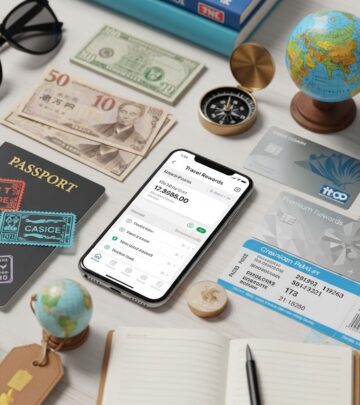
Streamline Your Travel Rewards Strategy: Expert Guide
Master multiple rewards programs to earn free travel without spreading yourself too thin.

Travel rewards programs are designed to encourage customer loyalty, offering miles and points for flights, credit card purchases, dining, and countless other transactions. In an ideal scenario, you could join a single comprehensive program that rewards every purchase you make, allowing you to reach elite status effortlessly. However, the reality is quite different. No single program covers all your spending categories effectively, which means dedicated rewards collectors must juggle multiple programs simultaneously.
The challenge lies in finding the right balance. Spread your earnings across too many programs, and you’ll lose track of points, watch them expire before redemption, or waste valuable time managing accounts. Most people have limited time and attention for rewards program management, making strategic focus essential. This comprehensive guide walks you through the process of streamlining your travel rewards strategy to maximize value while maintaining sanity.
Step 1: Choose Your Next Destination
Before diving into rewards program optimization, start with the end goal in mind: where do you want to travel? Your destination heavily influences which programs deserve your focus and energy. If you’re planning a European vacation, prioritize airlines and hotel chains that serve that region. If you frequently visit specific cities, focus on programs affiliated with your usual carriers and hotel chains.
Destination-focused planning ensures your rewards efforts serve a concrete purpose rather than accumulating points aimlessly. Consider not just your next trip, but patterns in your travel—this insight will shape your entire rewards strategy going forward.
Step 2: Note What Destination You Visit Again and Again
Travel patterns reveal significant opportunities for optimization. Many people follow predictable routes—visiting family in specific locations, returning to favorite vacation destinations, or regularly traveling for business to the same cities. These repeat routes are goldmines for rewards program strategy.
If you’re like many travelers who visit the same destination twice yearly, you should focus your efforts on the airline you typically use for that route and explore ways to accumulate more points within that specific program. This concentrated approach beats spreading thin across multiple carriers. For frequent routes, investigate whether your preferred airline has a shopping portal where you can earn bonus miles on online purchases, or a dining program that rewards credit card use at partner restaurants.
Step 3: Take Stock of Points You Already Have
Before applying for new cards or changing your strategy, inventory your existing rewards. Many people are surprised to discover they’re closer to a free flight or hotel stay than they realized. Pull together statements from all your frequent flyer accounts, hotel loyalty programs, and rewards credit cards.
During this audit, pay special attention to exchange partners. Major credit card issuers and large hotel chains allow you to transfer points into certain airline programs. These transfer partnerships can be game-changers—combining points from multiple sources might get you that award seat you thought was still far away. Understanding your transfer options opens possibilities you may have completely overlooked.
Step 4: Watch for Temporary Bonus Opportunities
Rewards programs frequently run limited-time promotions that dramatically increase earning potential. These temporary offers can multiply the value of your spending if you time your activities strategically.
For example, some programs have offered 250% bonuses on purchases through specific airline partners, meaning a product normally earning 40 miles per dollar suddenly generates 160 miles per dollar. These windfall periods require active monitoring but can accelerate your progress toward goals significantly. Set calendar reminders for promotional periods, or subscribe to rewards program newsletters to stay informed about these opportunities.
Leveraging Sign-Up Bonuses
One of the most powerful aspects of credit card rewards is the sign-up bonus. Travel credit cards frequently offer bonuses worth $500 or more in value—essentially free money for opening an account and meeting minimum spending requirements. A typical sign-up bonus ranges from 40,000 to 60,000 miles with a minimum spend of $1,000 to $3,000.
To manage the application process strategically without overwhelming your credit profile, focus on cards offering substantial bonuses relative to spending requirements. If you’re concerned about multiple hard inquiries, look for cards with higher minimum spend thresholds that offer larger bonuses—for instance, 75,000 points for $10,000 in annual spending. This approach reduces application frequency while maintaining strong progress toward your travel goals.
Expanding Earnings Beyond Credit Cards
Credit card bonuses are just the beginning. Most dedicated rewards collectors use multiple earning channels:
- Shopping Portals: Many airlines and hotel chains operate shopping portals where you earn bonus miles or points on online purchases. These typically earn 2–5 times the base rate, making them ideal for holiday shopping and regular online spending.
- Dining Programs: Restaurant partnerships let you earn miles or points on meals. Simply register your rewards card with the program and accumulate points automatically.
- Referral Bonuses: Airlines and hotels frequently offer bonus miles for referring friends and family as new members. If you have a small business, consider applying for a co-branded business card in addition to your consumer card—you may earn bonuses from both.
- Calendar-Based Goals: Some programs offer annual bonuses for reaching specific spending thresholds. Southwest Airlines’ Rapid Rewards program, for instance, grants a free companion pass for an entire year if you accumulate 110,000 points within a calendar year.
Evaluating Card Value Beyond Sign-Up Bonuses
Once you’ve claimed a sign-up bonus, critically assess what the card offers for ongoing use. This evaluation determines whether keeping the card makes sense long-term.
Some cards provide generous ongoing benefits like annual bonus miles, free hotel nights, or premium cabin passes. Others offer only modest earning rates—perhaps one mile per dollar spent—with annual fees that don’t justify membership. If a card charges an annual fee but fails to deliver commensurate ongoing rewards, call to cancel after claiming the sign-up bonus.
Often, cancellation calls trigger retention offers. Card issuers may propose new ongoing rewards, such as bonus miles if you spend a specified amount in the next few months. These negotiated offers can make cards worth keeping. Approach the process professionally and be prepared to cancel if the card genuinely isn’t serving your needs.
Understanding Exchange Partners and Transfer Values
Transfer partners represent one of the most sophisticated rewards strategies available. Major credit card programs allow you to convert points into airline or hotel miles, often at favorable rates. Understanding these partnerships can dramatically accelerate progress toward expensive awards.
Transfer partners vary significantly in value. Some partnerships offer one-to-one conversions while others require premium ratios. Research which programs your credit card partner works with, then evaluate redemption opportunities. You might discover that transferring points from a credit card program to a specific airline unlocks premium cabin seats or international flights otherwise unavailable through direct redemption.
Staying Organized and Avoiding Overload
Managing multiple rewards accounts requires discipline and systems. Many people start enthusiastically but eventually become overwhelmed juggling frequent flyer accounts, bank rewards accounts, and hotel loyalty programs. Losing track of points or watching them expire due to inactivity defeats the entire purpose.
If you find yourself spending excessive time managing rewards or worrying about maintaining multiple accounts, consider simplifying:
- Single Cash-Back Card: One straightforward option is consolidating to a single cash-back card. Cash is universally accepted and requires minimal account management.
- Branded Portal Redemption: Many banks offer rewards cards allowing you to redeem points for travel on any airline through a branded portal, eliminating the need to manage individual frequent flyer accounts.
- Strategic Focus: Rather than abandoning rewards entirely, identify two or three programs aligned with your travel patterns and ignore the rest. Concentrated effort on core programs yields better results than scattered participation.
Strategic Redemption: Where the Real Value Lives
Earning miles and points is only half the equation. Strategic redemption is equally important and significantly more complex. The key to maximizing value lies in understanding partner networks and booking strategically.
Airlines that appear less valuable through direct redemptions often provide exceptional value when booked through partners. You might combine miles from one program with partner airlines to reach otherwise inaccessible destinations or cabin classes. In extreme examples, rewards enthusiasts have transferred points between completely different programs—credit card rewards to Japanese airline ANA, then redeemed on African carriers—to unlock dream trips.
Booking Strategy and Timing
Timing significantly impacts award availability. For premium cabin travel, especially popular routes and peak seasons, book far in advance. First-class seats allocated to award tickets are typically limited and disappear quickly. However, don’t dismiss last-minute bookings entirely—many airlines release additional award space as the travel date approaches or during final weeks before departure. Both advance planning and flexibility have merit depending on your circumstances.
Frequently Asked Questions
Q: How many rewards programs should I actively manage?
A: Most experts recommend focusing on 2-4 core programs aligned with your actual travel patterns. More than this becomes difficult to track effectively. Choose programs based on airlines and hotels you actually use, not theoretical possibilities.
Q: Will applying for multiple credit cards hurt my credit score?
A: Hard inquiries from credit card applications do temporarily impact your score, typically 5-10 points per inquiry. However, this effect diminishes after 3-6 months. If you’re concerned, space applications over time or focus on cards with higher minimum spend thresholds and larger bonuses, requiring fewer total applications.
Q: When should I redeem my points—now or save for bigger awards?
A: This depends on your specific situation and point valuations. Generally, premium cabin international flights offer better redemption value than economy domestic flights. However, if you’ll use economy points within a year anyway, booking them prevents expiration. Research specific award prices before deciding.
Q: Can I really get free premium cabin travel with rewards?
A: Yes, but it requires strategic focus. Business and first-class awards cost significantly more miles than economy, and seats are scarcer. Book well in advance, be flexible with dates, and use partner airlines. The effort pays off with dramatically enhanced travel experiences.
Q: What if my favorite airline doesn’t have partnerships with my credit card?
A: Look for transfer partners of your credit card program that include airlines you fly. You might also consider switching to a co-branded card with your preferred airline, which typically offers stronger earning and partner benefits.
Conclusion: Making Rewards Work for You
Streamlining your travel rewards strategy isn’t about joining every program or applying for every card. It’s about strategic focus—understanding your travel patterns, choosing programs that align with those patterns, and maximizing value through both earning and redemption. By taking stock of what you have, understanding exchange partners, monitoring temporary bonuses, and evaluating card benefits critically, you can extract tremendous value from rewards programs without the chaos of managing too many accounts. Start with your next destination, build from there, and let your travel dreams guide your rewards strategy rather than following every opportunity indiscriminately.
References
- How to Streamline Your Travel Rewards Strategy — Wise Bread. Retrieved January 12, 2026. https://www.wisebread.com/how-to-streamline-your-travel-rewards-strategy
- What is a Frequent Flyer Program? How Rewards Credit Cards Can Help — CardRates. https://www.cardrates.com/advice/what-is-a-frequent-flyer-program/
- 6 Ways My Family Scores Free Travel With Credit Cards — Wise Bread. Retrieved January 12, 2026. https://www.wisebread.com/6-ways-my-family-scores-free-travel-with-credit-cards
Similar Articles








Read full bio of Sneha Tete