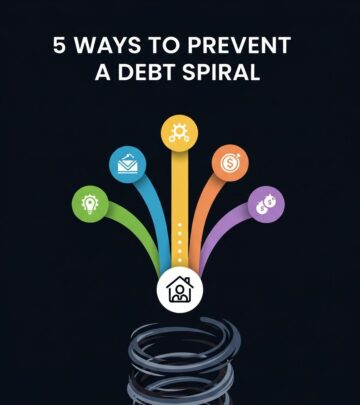
Strategies to Prevent Debt Accumulation
Discover proven methods to maintain financial freedom by avoiding debt traps and building sustainable money habits for long-term stability.

Preventing debt requires proactive financial habits that prioritize awareness, discipline, and forward-thinking planning. By understanding spending patterns and implementing structured approaches, individuals can maintain control over their finances and avoid the cycle of borrowing.
Understanding the Roots of Debt Buildup
Debt often stems from unplanned expenses, lifestyle inflation, or inadequate savings. High-interest obligations like credit cards compound quickly, turning minor overspending into significant burdens. Recognizing these triggers is the first step toward prevention.
Common pitfalls include relying on credit for daily needs, underestimating emergency costs, or failing to track outflows. Statistics show that prioritizing high-interest debts first can save substantial amounts over time.
Building a Solid Budget Foundation
A robust budget acts as a financial roadmap, allocating resources effectively to curb unnecessary borrowing. The 50/30/20 framework divides after-tax income into needs (50%), wants (30%), and savings/debt reduction (20%).
- Track Income and Expenses: List all sources of revenue and categorize spending monthly to identify leaks.
- Prioritize Essentials: Cover housing, food, transport, and minimum payments before discretionary items.
- Leverage Apps: Digital tools automate tracking, categorize transactions, and send alerts for overspending.
Adjusting budgets seasonally ensures adaptability to life changes, preventing reliance on loans for shortfalls.
Mastering Mindful Spending Practices
Conscious consumption reduces impulse buys that lead to debt. Implement the 24-hour rule for non-essentials, delaying purchases to assess true necessity.
| Spending Category | Prevention Tip | Potential Savings |
|---|---|---|
| Groceries | Meal plan weekly | 20-30% reduction |
| Entertainment | Free alternatives first | 50% or more |
| Shopping | Needs vs. wants list | Avoids 70% impulses |
| Dining Out | Home cooking challenges | 40% monthly cut |
These habits foster discipline without deprivation, keeping credit utilization low.
Establishing an Emergency Savings Buffer
An emergency fund covering 3-6 months of expenses shields against unexpected events, eliminating the need for high-interest loans. Start small, automating transfers post-paycheck.
- Target $1,000 initially for minor crises.
- Build to full coverage over 6-12 months.
- Keep in high-yield accounts for growth.
Without this safety net, 40% of Americans resort to credit for emergencies, perpetuating debt cycles.
Increasing Income Streams Proactively
Boosting earnings provides a buffer against spending pressures. Side gigs, raises, or skill upgrades expand financial flexibility.
- Negotiate Salary: Research market rates annually.
- Freelance Opportunities: Platforms for skills like writing or design.
- Monetize Hobbies: Sell crafts or tutor locally.
- Passive Income: Investments or rentals post-debt clearance.
Directing extra income to savings accelerates security.
Navigating Credit Wisely
Credit cards offer convenience but demand restraint. Pay balances fully monthly to avoid interest, maintaining utilization under 30% for score health.
- Use for rewards, not financing.
- Opt for debit for everyday purchases.
- Review statements for errors quarterly.
Avoiding balance transfers unless strategic prevents new debt layers.
Long-Term Planning for Financial Resilience
Set goals like retirement contributions or home down payments to shift focus from consumption. Automate investments to build wealth organically.
Regular financial check-ins, quarterly, realign priorities and adjust for inflation or raises.
Common Debt Traps and Evasion Tactics
Steer clear of payday loans with APRs over 400%. Lifestyle creep post-raises should fund savings, not upgrades.
- Holiday Spending: Budget gifts early, use cash.
- Medical Bills: Negotiate payment plans interest-free.
- Subscriptions: Audit and cancel unused ones.
FAQs
What is the best first step to avoid debt?
Create a detailed budget tracking all income and expenses to spot and eliminate waste.
How much should I save for emergencies?
Aim for 3-6 months of living expenses, starting with $1,000.
Can budgeting apps really help prevent debt?
Yes, they automate tracking and alerts, promoting accountability.
Should I use credit cards at all?
Yes, if paid off monthly for rewards, but prefer debit to avoid interest risks.
How do I boost income without burnout?
Start with low-effort gigs matching skills, scaling gradually.
Tools and Resources for Success
Free calculators for debt payoff simulations and budget templates from nonprofits aid planning. Community forums offer peer motivation without commercial bias.
References
- How to Pay Off Debt: Top Strategies for 2026 — NerdWallet. 2026. https://www.nerdwallet.com/personal-loans/learn/pay-off-debt
- How To Start 2026 Debt-Free: Your Year-End Financial Reset — Consumer Credit. 2025. https://www.consumercredit.com/blog/year-end-financial-reset-guide/
- 7 Steps to Get Out of Debt in 2026 — Experian. 2026. https://www.experian.com/blogs/ask-experian/steps-to-get-out-of-debt/
- Pay Down Your Debts in 2026 — CoreFirst Bank & Trust. 2026-01-09. https://www.corefirstbank.com/blog/learning-center/2026/01/09/pay-down-your-debts-in-2026
Similar Articles








Read full bio of medha deb