Strategies to Curb Credit Card Spending Habits
Master practical techniques to regain control of your credit card spending
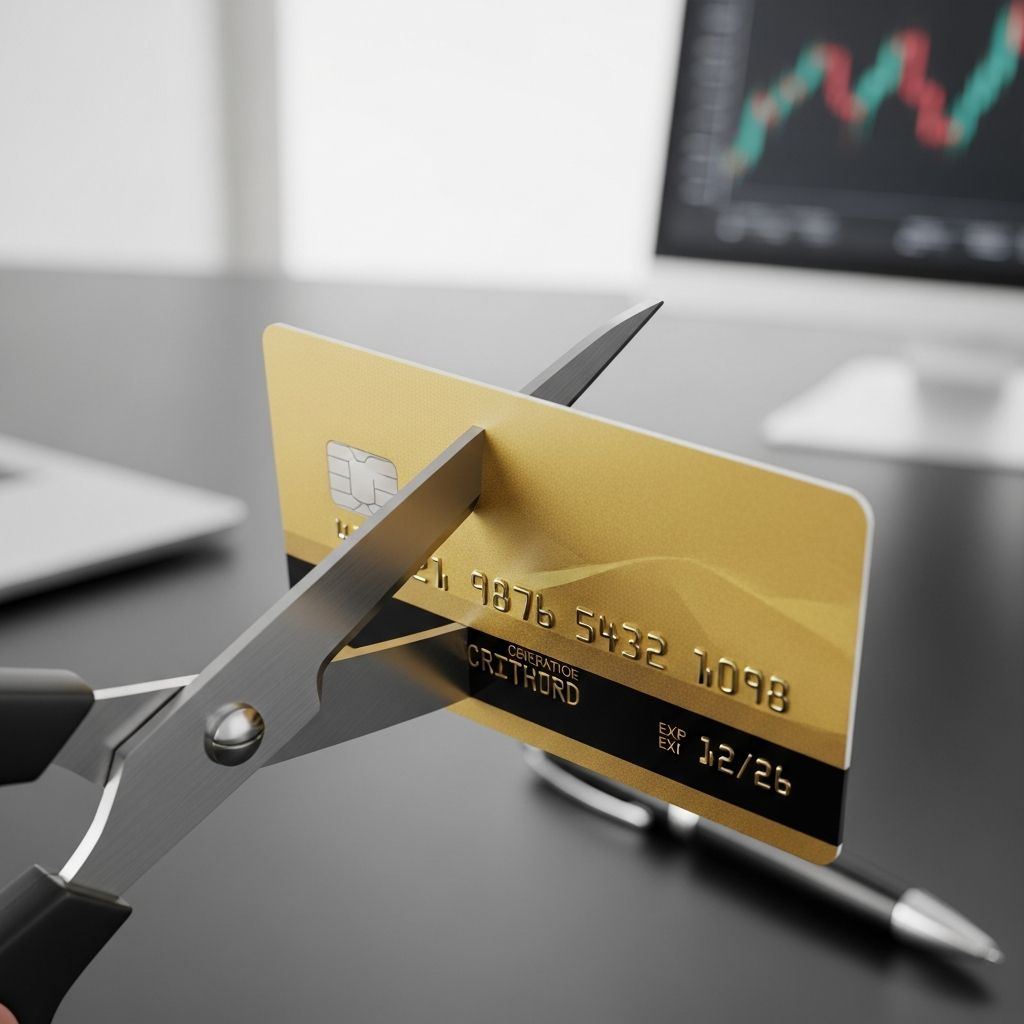
Credit card spending represents one of the most challenging aspects of personal finance management. The ease with which we can make purchases using plastic has fundamentally transformed consumer behavior, often working against our financial goals. Understanding why we overspend and implementing targeted strategies can help restore balance to our spending patterns and improve our overall financial well-being.
The problem extends beyond simple lack of willpower. Research demonstrates that credit cards activate reward centers in the brain, triggering dopamine release that creates pleasurable sensations associated with purchasing. This neurological response, combined with the psychological distance between the purchase moment and payment, creates a powerful environment for overspending. Breaking free from this cycle requires a multifaceted approach that addresses both the psychological and practical dimensions of credit card use.
Understanding the Neural Mechanisms Behind Credit Card Overspending
Before implementing solutions, it’s essential to understand why credit cards make us spend more than we intend. Brain imaging studies reveal that credit card logos alone can trigger spending impulses before conscious decision-making occurs. When you swipe a card, your brain’s reward center—particularly the striatum—becomes activated, releasing dopamine and creating an anticipatory pleasure response.
This differs fundamentally from cash transactions. With physical currency, you experience immediate financial pain as money leaves your hand. Credit cards eliminate this sensation, creating what researchers call the “payment coupling” problem. The separation between purchase and payment means you don’t feel the full impact of your spending until weeks later when the bill arrives. This temporal distance allows your brain to justify larger purchases that might seem unreasonable if paid for immediately with cash.
Additionally, credit cards exploit psychological distance. Spending $500 on a credit card feels psychologically different from handing over five $100 bills for the same item. Your brain processes these transactions differently, making credit card spending feel less consequential. This mental distinction between borrowed money and present money creates vulnerability to impulsive purchasing decisions.
Recognizing Emotional and Environmental Triggers
Emotional states significantly influence credit card spending behavior. Stress, boredom, happiness, and social pressure all create conditions where overspending becomes likely. Understanding your personal triggers represents the first step toward managing them effectively.
Common emotional triggers include:
- Stress and anxiety—shopping as a coping mechanism
- Boredom—using purchases to fill time and create stimulation
- Celebration—rewarding yourself for achievements or milestones
- Social pressure—matching spending patterns of peers or maintaining perceived social status
- Sadness or loneliness—attempting to improve mood through retail therapy
Environmental factors also play crucial roles. Marketing messages, store layouts, social media displays of consumption, and reward program promotions all work to increase spending impulses. Retailers deliberately design environments to encourage larger purchases, from the strategic placement of high-margin items to the prominent display of reward points balances.
Practical Strategy One: Transitioning to Cash-Based Spending
One of the most effective techniques involves returning to cash for discretionary purchases. This approach directly addresses the neurological advantage credit cards hold. When you physically hand over bills, you experience tangible loss, which activates different brain regions than credit card transactions.
To implement this strategy effectively:
- Establish a weekly cash budget for discretionary categories like dining, entertainment, and shopping
- Withdraw the exact amount you’ve allocated and leave your credit cards at home
- Once cash is spent, stop purchasing until the next budget cycle
- Reserve credit cards for planned, essential expenses only
This method works because it reintroduces the “pain of payment” that credit cards designed to eliminate. You see your spending decreasing in real time, and the finality of cash creates natural spending constraints that credit cards deliberately obscure.
Practical Strategy Two: Implementing Accountability Systems
Creating external accountability structures helps combat the isolated decision-making that leads to overspending. When you’re accountable to someone else, you’re more likely to pause before making impulsive purchases.
Accountability approaches include:
- Sharing purchase decisions with a trusted financial partner who reviews significant expenses
- Joining money-focused communities or support groups that discuss financial goals
- Reporting monthly spending totals to someone who will objectively evaluate your progress
- Using financial apps that send notifications for purchases exceeding predetermined limits
The key is external visibility. When you know someone will see your credit card statement or ask about your spending, you become more thoughtful about purchase decisions. This accountability creates a pause that allows your rational mind to override impulsive urges.
Practical Strategy Three: Restructuring Credit Card Access
Modifying how easily you can access credit represents another powerful technique. Every barrier you add between impulse and action reduces overspending likelihood.
Structural modifications include:
- Leaving credit cards at home during normal daily activities
- Removing saved card information from online retailers
- Asking your card issuer to reduce your credit limit
- Storing cards in inconvenient locations, requiring significant effort to retrieve
- Setting up autopay for bills, reducing the need to think about regular expenses
These structural changes work by introducing friction into the spending process. When accessing your credit card requires deliberate action rather than mindless habit, you have time to reconsider whether the purchase aligns with your priorities.
Practical Strategy Four: Confronting Reward Program Psychology
Credit card reward programs deliberately manipulate spending behavior by offering incentives that encourage larger purchases. While rewards seem valuable, they often result in overspending far exceeding the benefit value.
To counter reward program influence:
- Calculate the true value of rewards earned versus additional spending incurred
- Avoid targeting specific reward thresholds that encourage over-purchasing
- Remember that every reward point represents money you spent
- Consider switching to cards with lower reward rates if rewards trigger overspending
Many people justify unnecessary purchases by calculating rewards earned, convinced they’re getting bargains. In reality, bonus points often represent rewards for overspending beyond what you needed. A $200 reward purchase that costs $1000 offers poor value, regardless of points accumulated.
Practical Strategy Five: Delaying Purchase Decisions
Implementing waiting periods between the impulse to purchase and the actual transaction significantly reduces overspending. This delay allows rational decision-making to override emotional impulses.
Effective waiting period strategies:
- Never make discretionary purchases immediately—wait at least 48 hours
- Create a written list of wanted items and review it after two weeks
- Remove items from shopping carts and return later to reconsider
- Require written justification for purchases exceeding a set amount
This approach combats instant gratification psychology. Impulses typically pass within hours if not acted upon immediately. By creating mandatory delay, you allow your rational mind to assess whether purchases align with your actual needs and financial goals.
Practical Strategy Six: Reframing Your Relationship with Money
Long-term success requires changing how you mentally relate to spending decisions. Rather than viewing purchases as acquiring things, consider them as trading hours of your life for items.
Implement these mental reframing techniques:
- Calculate the hourly work equivalent of every purchase
- Ask yourself if you would work an additional hour for this item
- Recognize that “wanting” something differs from “needing” it
- View overspending as stealing from your future self
This perspective shift transforms abstract financial concepts into concrete human experiences. Understanding that an impulse purchase represents hours of your life spent working changes how you evaluate spending decisions.
Practical Strategy Seven: Creating Spending Plans and Budgets
Intentional planning replaces impulsive decision-making when you establish detailed budgets that address specific spending categories.
Effective budget components include:
- Fixed expenses (housing, utilities, insurance)
- Variable necessities (groceries, transportation)
- Discretionary categories with specific monthly limits
- Savings allocations as budget priorities, not afterthoughts
The budget should specify exact amounts allocated to each category. When you’ve determined your dining budget for the month, you have clear limits that prevent overspending. This removes the constant decision-making required when no spending framework exists.
Addressing Social and Environmental Pressures
Social influences significantly impact spending behavior. Social media displays of consumption create unconscious pressure to maintain perceived social status through purchasing. Peer spending patterns influence our own spending, often pushing us beyond our means.
Counteracting social pressures requires deliberate effort:
- Reduce exposure to social media consumption displays
- Identify and distance yourself from peer groups that emphasize spending
- Develop confidence in your financial values separate from others’ choices
- Find communities that celebrate financial responsibility rather than consumption
Remember that social media typically shows only the positive outcomes of purchases, never the financial stress or regret that often follows.
When to Seek Professional Guidance
Some individuals struggle with credit card spending to degrees that warrant professional support. If you find yourself unable to stop overspending despite implementing multiple strategies, consider consulting a financial therapist or counselor who specializes in behavioral finance. These professionals can identify underlying psychological patterns driving your spending and develop personalized interventions.
Building Sustainable Financial Habits
Breaking credit card spending habits requires both immediate interventions and long-term habit development. Initially, you may need to rely on external structures like cash spending or removed card access. Over time, as your brain’s reward circuitry adjusts and new neural pathways form, controlled spending can become automatic.
Success involves consistency. Each time you resist an impulse purchase or successfully implement a waiting period, you strengthen neural circuits supporting financial restraint. Conversely, each impulsive purchase reinforces overspending patterns. Your choices accumulate into either healthier or increasingly problematic spending habits.
The combination of understanding neurological mechanisms, recognizing personal triggers, implementing structural barriers, and developing new thought patterns creates comprehensive protection against credit card overspending. While credit cards will continue to activate reward centers in your brain, awareness and intentional strategies can help you make conscious choices rather than surrendering to automatic impulses.
Frequently Asked Questions
Can I ever use credit cards without overspending?
Yes, many people successfully use credit cards for planned purchases while maintaining spending discipline. The key involves using credit deliberately for specific purposes rather than habitual browsing and purchasing. Some find that transitioning to credit-only payments for fixed expenses (which they budget for already) works better than cash, as this avoids discretionary spending triggers.
How long does it take to break credit card spending habits?
Habit formation varies, but research suggests 2-3 months of consistent behavior change typically begins establishing new neural patterns. However, vulnerability to old patterns can persist for longer. Continued adherence to strategies protects against reverting to former habits, particularly during periods of stress or emotional vulnerability.
Should I close credit card accounts?
Closing accounts has advantages and disadvantages. It eliminates temptation but can negatively impact your credit score by reducing available credit and credit history length. A middle-ground approach involves leaving accounts open but removing the physical cards from your wallet and deleting stored payment information from websites.
What if I have rewards points I want to use?
Use accumulated rewards strategically rather than as justification for additional spending. Redeem points for items already in your budget or use them to replace planned purchases rather than in addition to them. This approach allows you to enjoy rewards without overspending.
References
- How Credit Cards Activate the Reward Center of Our Brains and Drive Spending — MIT Sloan School of Management. https://mitsloan.mit.edu/experts/how-credit-cards-activate-reward-center-our-brains-and-drive-spending
- Why We Overspend: The Psychology of Credit Card Spending — Airtel. https://www.airtel.in/blog/credit-card/why-we-overspend-the-psychology-of-credit-card-spending/
- Swipe, Spend And Regret: The Sneaky Psychology Of Credit Card Spending — Bankrate. https://www.bankrate.com/credit-cards/advice/psychology-of-credit-card-spending/
- Does Using a Credit Card Make You Spend More Money? — NerdWallet. https://www.nerdwallet.com/credit-cards/learn/credit-cards-make-you-spend-more
- The Psychology of Credit Card Debt: How to Break the Cycle — MoneyFit. https://www.moneyfit.org/psychology-of-credit-card-debt/
Similar Articles








Read full bio of Sneha Tete